Choosing Award-Winning AC Repair Services
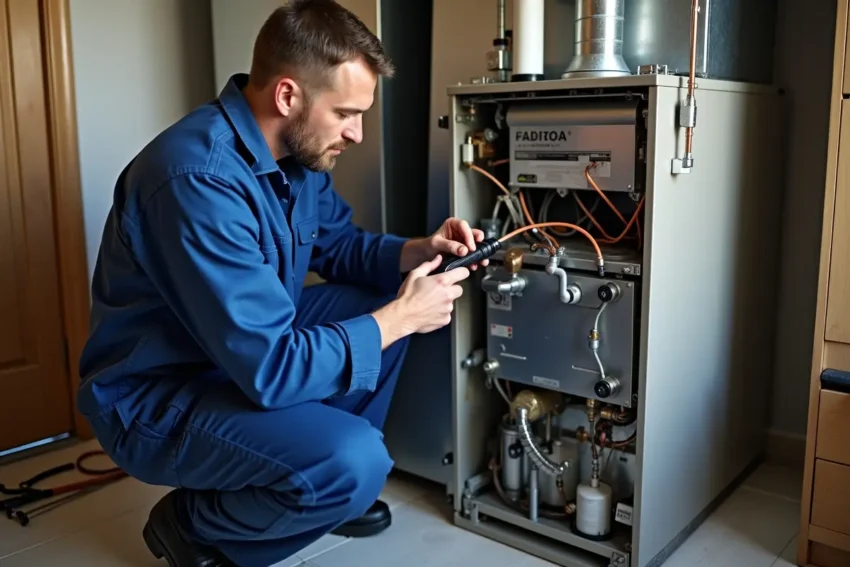
Even with Phoenix’s mild winter climate, your furnace works hard during the cooler months, and over time, various issues can arise. Understanding these common problems and their warning signs is crucial for timely repair and maintaining your home’s comfort. The unique desert environment, with its significant temperature fluctuations between day and night, can also contribute to thermal stress on your heating system.
One of the most critical components susceptible to wear is the heat exchanger. This part is responsible for transferring heat to your home’s air. Cracks in the heat exchanger, often a result of repeated expansion and contraction from thermal stress, can be a serious safety concern. Beyond this, common furnace problems we encounter include airflow restrictions due to dirty filters or blocked vents, thermostat malfunctions leading to inaccurate temperature readings or inconsistent heating, and burner pilot failure, which prevents the furnace from igniting.
These issues not only compromise your comfort but also impact the energy efficiency of your system, potentially leading to higher utility bills and accelerated system wear. When you need dependable service for these complex issues, choosing an award-winning AC and heating service provider ensures you receive expert care.
It’s important for Phoenix homeowners to be vigilant for a range of indicators that suggest their heating system requires professional attention. Here are some common heating and cooling warning signs:
- Unusual Noises: Banging, squealing, rattling, or grinding sounds often indicate mechanical problems.
- Strange Odors: A burning smell could signal an electrical issue or dust burning off, while a rotten egg smell is a serious indicator of a gas leak.
- Inconsistent Heating: Some rooms are warm, others are cold, suggesting airflow problems or thermostat issues.
- Frequent Cycling: The furnace turns on and off too often, known as “short cycling,” which can be due to an oversized unit, a clogged filter, or a faulty thermostat.
- Rising Energy Bills: A sudden, unexplained increase in your heating costs without a change in usage habits.
- Yellow Pilot Light: A healthy pilot light should be blue; a yellow or flickering flame can indicate incomplete combustion, a potential carbon monoxide risk.
- Lack of Heat: The furnace runs but no warm air comes out, or the air is only lukewarm.
- Poor Air Quality: Increased dust, dry air, or unusual smells circulating through your home.
Unusual Noises and Strange Odors
Your furnace is designed to operate relatively quietly, so any new or unusual sounds should grab your attention. Banging sounds, for instance, might indicate issues with the ductwork expanding and contracting, or a problem with the blower motor. A metallic scraping sound could point to a loose or broken component rubbing against another part, possibly a fan blade hitting the housing. If you hear squealing or chirping, it often suggests a worn-out belt or an issue with the blower motor bearings. Ignoring these noises can lead to more significant and costly damage down the line.
Similarly, strange odors emanating from your furnace are clear indicators that something is amiss. A burning scent, particularly at the beginning of the heating season, might simply be dust burning off the heat exchanger. However, if the smell persists or is acrid, it could signal an electrical problem, such as overheating wires or components, which poses a fire hazard. A distinct rotten egg smell is the most alarming and signifies a natural gas leak.
Natural gas is odorless, but utility companies add mercaptan, a harmless chemical, to give it this recognizable smell for safety reasons. If you detect a rotten egg smell, immediate action is paramount: evacuate your home, do not use any electrical switches or phones, and contact your gas company or emergency services from a safe location. Other smells, like a musty odor, could indicate mold growth in your ductwork or furnace.
Inconsistent Temperatures and Rising Energy Bills
One of the most frustrating furnace problems for Phoenix homeowners is experiencing inconsistent temperatures throughout their home. You might find one room to be perfectly comfortable while an adjacent room feels noticeably colder or warmer. This can be attributed to several factors, including clogged filters restricting airflow, issues with ductwork (leaks, blockages, or improper sizing), or even a malfunctioning thermostat that isn’t accurately reading or regulating temperatures.
When your furnace struggles to distribute heat evenly, it often leads to what’s known as “short cycling,” where the unit turns on and off frequently without completing a full heating cycle. This not only fails to adequately heat your home but also puts unnecessary strain on the system, accelerating wear and tear.
Beyond discomfort, these inefficiencies manifest directly in your utility bills. A sudden and unexplained surge in energy costs, even if your usage habits haven’t changed, is a strong indicator that your furnace is working harder than it should to maintain the desired temperature. Many homeowners in Phoenix observe a significant increase in their energy bills—often 20% or more—when their heating system is not operating at peak efficiency.
This could be due to a variety of issues, from a dirty filter making the blower motor work overtime, to leaky ductwork allowing heated air to escape into unconditioned spaces like attics or crawl spaces, or even an aging system that has lost its original efficiency. Addressing these issues promptly not only restores comfort but also helps in making targeted improvements to your home’s overall energy efficiency, leading to long-term savings.
Evaluating Award-Winning AC Repair Services and Heating Solutions
When your furnace requires professional attention, selecting the right repair company in Phoenix is paramount. You want a team that not only fixes the immediate problem but also provides reliable, long-lasting solutions. This involves looking beyond just a quick fix and focusing on credentials, customer satisfaction, and a commitment to safety. A reputable company will prioritize transparent communication, provide clear explanations of the issues, and offer fair, upfront estimates for their services.
Key factors to consider include proper licensing and insurance, ensuring the technicians are NATE (North American Technician Excellence) certified, which signifies a high level of industry knowledge and expertise. Transparent pricing is crucial, meaning you understand the diagnostic fees, labor rates, and component costs before any work begins.
Look for companies with strong response speeds, especially for emergency situations, and always check customer reviews and testimonials to gauge their reputation. Furthermore, service guarantees or warranties on parts and labor provide peace of mind, demonstrating the company’s confidence in their work.
Criteria for Selecting Award-Winning AC Repair Services
Choosing a heating and cooling service provider goes beyond simply finding someone to perform a repair. It involves entrusting your home’s comfort and safety to a team of professionals. When seeking award-winning AC repair services, several criteria stand out as indicators of excellence and reliability. Firstly, look for companies that have received industry awards or recognitions. These accolades often reflect a commitment to quality service, customer satisfaction, and technical expertise within the HVAC community.
Secondly, a contractor’s reputation is invaluable. This can be assessed through online reviews, testimonials, and word-of-mouth referrals. Pay attention to consistent themes in customer feedback regarding professionalism, punctuality, diagnostic accuracy, and the overall customer experience. Verified credentials, such as state licensing, bonding, and insurance, are non-negotiable. These ensure that the company operates legally and that you are protected in case of any unforeseen incidents during service.
Furthermore, inquire about the warranty coverage offered on both parts and labor. A strong warranty demonstrates the company’s confidence in their workmanship and the quality of the components they use. Finally, emergency availability is a crucial factor, especially during unexpected breakdowns in colder weather. Knowing that a reliable team can respond swiftly to urgent situations provides immense peace of mind.
How Award-Winning AC Repair Services Address Emergency Safety Hazards
Certain furnace issues can pose significant safety hazards, demanding immediate and expert intervention. Award-winning AC repair services are particularly adept at identifying and addressing these critical situations with the utmost care and professionalism.
The most serious concern is the risk of carbon monoxide (CO) poisoning. CO is an odorless, colorless gas produced by incomplete combustion, often resulting from a cracked heat exchanger or a malfunctioning burner. Symptoms of CO exposure can mimic the flu, making it incredibly dangerous. Reputable technicians are trained to detect even subtle signs of CO leaks, using specialized equipment to test for its presence.
In the event of a suspected gas leak, such as the distinct rotten egg smell mentioned earlier, these services follow strict gas leak protocols. This includes immediately shutting down the gas supply to the furnace, ventilating the area, and advising homeowners on the necessary steps to ensure safety before any repairs begin. They will conduct thorough inspections to pinpoint the source of the leak and repair it according to safety standards.
For any potentially dangerous furnace issue, the first step is often an immediate system shutdown to prevent further risk. Technicians will then perform comprehensive ventilation checks to ensure proper airflow and the safe dissipation of any hazardous gases. They also understand the importance of safety sensors within the furnace system and how to diagnose and repair issues that could compromise these vital safety features, ensuring your furnace operates safely and efficiently.
Repair vs. Replacement: Making Cost-Effective HVAC Decisions
Deciding whether to repair or replace your furnace is a common dilemma for Phoenix homeowners. While a repair might seem like the most cost-effective solution in the short term, there are situations where replacement offers greater long-term value, especially considering the unique climate and usage patterns in Arizona. The average life expectancy of a furnace is around 16-20 years.
In Arizona, where winters are relatively mild, the lifespan of a furnace can sometimes extend beyond this national average with diligent maintenance. However, as furnaces age, their efficiency naturally declines, and the frequency and cost of repairs tend to increase.
A critical factor in this decision is the cost of the repair itself. The heat exchanger, for instance, is often the most expensive component to fix or replace. If a major component like this fails, especially in an older unit, the repair cost can be substantial. A general rule of thumb often cited is the “50 percent repair rule”: if the cost of the repair is 50% or more of the cost of a new furnace, it’s usually more cost-effective to replace the unit.
While we cannot provide specific pricing, a standard furnace replacement in the United States typically costs between $2,500 and $7,500, including equipment and installation. This range gives homeowners an idea of the investment involved in a new system. When evaluating your options, consider not just the immediate repair cost but also the age of your unit, its current energy efficiency, and the likelihood of future breakdowns.
| Category | Furnace Repair | Full Furnace Replacement |
| Age of Unit | Generally under 10-12 years | Typically 15+ years or frequent breakdowns |
| Repair Cost | Minor component failure, less than 50% of new | Major component failure, 50%+ of new unit cost |
| Energy Efficiency | Unit still operates efficiently | Significant drop in efficiency, high energy bills |
| Frequency of Repairs | Infrequent, isolated incidents | Multiple repairs in recent years |
| Warranty Status | Still under warranty for parts/labor | Warranty expired, no coverage for parts |
| Safety Concerns | No critical safety issues (e.g., CO leaks) | Persistent safety concerns (e.g., cracked heat exchanger) |
| Home Value | No significant impact | Can increase home value, especially with high-efficiency unit |
| Essential DIY Maintenance and Winter Preparation | Recommended Steps: * Replace air filters every 1 to 3 months. * Clear debris, dust, and flammable items from around the unit. * Test the thermostat and replace batteries. * Schedule professional annual tune-ups before winter. * Insulate exposed heating ducts to prevent heat loss. | N/A (If replacing the unit, ensure proper professional installation and setup of the new system for winter readiness) |
While professional annual furnace maintenance is indispensable, there are several essential DIY tasks Phoenix homeowners can perform to keep their heating system running smoothly and prepare it for the cooler months. These simple steps can help prevent minor issues from escalating into major problems, improve efficiency, and extend the lifespan of your unit.
The most crucial DIY maintenance task is regularly replacing your furnace’s air filter. A clogged filter restricts airflow, forcing your furnace to work harder, which wastes energy and can lead to premature wear. We recommend checking your filter monthly and replacing it every 1-3 months, or more frequently if you have pets or allergies.
Another important step is to ensure proper clearance zones around your furnace. Keep the area immediately surrounding your furnace free from clutter, stored items, and combustible materials. This not only allows for proper airflow to the unit but also reduces fire hazards.
Consider investing in a programmable or smart thermostat if you don’t already have one. These devices allow you to set heating schedules, ensuring your furnace only runs when needed, which can significantly reduce energy consumption. Adjusting your thermostat by a few degrees when you’re away or asleep can lead to noticeable savings without sacrificing comfort.
While professional duct sealing is recommended for significant leaks, you can visually inspect exposed ductwork in your attic or basement for obvious gaps or disconnections. Using metallic foil tape (not duct tape) to seal minor leaks can help prevent heat loss and improve system efficiency.
Finally, as part of your seasonal prep, turn on your furnace for a brief period before the true cold weather hits. This allows you to identify any unusual noises or smells early on, giving you time to schedule professional service before you’re relying on the system daily. Regular maintenance can help maximize the longevity of your furnace in Arizona, ensuring it’s ready for the demands of winter.
Frequently Asked Questions About HVAC and Furnace Repair
Homeowners often have similar questions when it comes to furnace maintenance and repair. Addressing these common inquiries can help you better understand your heating system and make informed decisions about its care.
How often should a furnace and AC system be serviced in Phoenix?
For optimal performance, efficiency, and longevity, we recommend annual maintenance for both your furnace and AC system in Phoenix. This typically means a spring AC check before the intense summer heat and a fall furnace prep before the cooler winter evenings.
Regular maintenance helps prevent costly repairs by identifying and addressing minor issues before they become major problems. It also ensures your system operates at peak efficiency, which can lead to lower energy bills. Annual servicing helps extend the lifespan of your heating and cooling equipment, protecting your investment and ensuring consistent home comfort throughout the year.
What is the typical cost range for residential furnace repairs?
The cost of residential furnace repairs can vary significantly depending on several factors, including the nature and complexity of the problem, the specific components that need replacement, and the labor rates of the service provider. Diagnostic fees are typically a separate charge to identify the issue.
Minor repairs, such as replacing a flame sensor or a capacitor, will naturally be less expensive than major component replacements like a blower motor or a control board. The age and type of your furnace can also influence part availability and cost. While we cannot provide specific pricing, understanding these factors can help you set budget expectations for potential repairs.
When is carbon monoxide risk highest during furnace operation?
The risk of carbon monoxide (CO) exposure from a furnace is highest when there’s incomplete combustion or a breach in the heat exchanger. A cracked heat exchanger is particularly dangerous because it allows combustion gases, including CO, to mix with the heated air circulating into your home. Other causes of incomplete combustion can include a dirty or blocked flue, an improperly adjusted burner, or insufficient ventilation.
To mitigate this risk, ensure you have working carbon monoxide detectors installed on every level of your home, especially near sleeping areas. Test them regularly and replace batteries annually. If your CO detector alarms, or if you suspect a gas leak (e.g., rotten egg smell) or CO exposure (symptoms like headache, dizziness, nausea), take immediate steps:
- Evacuate everyone, including pets, from the building immediately.
- Do NOT try to locate the source of the leak.
- Do NOT use phones, light switches, or any electrical appliances inside the house.
- Once safely outside, call 911 or your local gas company’s emergency line.
- Do NOT re-enter your home until emergency services confirm it is safe to do so.
Professional furnace maintenance includes inspecting the heat exchanger and ensuring proper combustion, significantly reducing these risks.
Conclusion
Ensuring your furnace is in top condition is vital for comfort and safety in your Phoenix home, even with our mild winters. By understanding the common signs of trouble, the impact of our unique climate, and the importance of professional expertise, you can make informed decisions about your heating system.
Proactive care through regular maintenance and timely repairs not only extends the life of your furnace but also contributes to significant long-term energy savings and improved indoor air quality. When the need arises, choosing reliable contractors who prioritize safety, transparency, and customer satisfaction is key. By staying informed and prepared, you can enjoy a comfortable and safe home environment throughout every season.