When to Consider Electrical Panel Upgrades for Your Home
Our homes today are more electrified than ever before. From smart appliances to high-efficiency HVAC systems, our electrical panels work harder than ever. Many older homes in Torrance, California, might struggle to meet these new demands. If you are considering adding a new appliance or an electric car charger in Torrance, your current electrical panel might not be up to the task. An outdated panel can lead to tripped breakers, flickering lights, and even safety hazards. We will guide you through the key signs that signal a need for an upgrade, how modern demands impact your system, and the benefits of ensuring your home has comprehensive electrical services for all its needs.
Primary Warning Signs You Need Electrical Panel Upgrades
An electrical panel is the heart of your home’s electrical system, distributing power safely to all circuits. When it begins to falter, it sends clear signals. Recognizing these primary warning signs is crucial for both convenience and safety, especially as we approach August 2026 with an ever-increasing reliance on electricity. Ignoring these indicators can lead to persistent annoyances, damage to appliances, and, most critically, serious fire hazards.
One of the most common signs of an overburdened or failing panel is frequent breaker tripping. While an occasional trip might indicate a temporary overload on a specific circuit, consistent tripping across multiple circuits suggests your panel is struggling to handle your home’s power demands. This is particularly true if you’ve recently added new appliances or electronics. Similarly, flickering lights, especially when a major appliance cycles on, can point to voltage drops caused by an insufficient power supply from your panel.
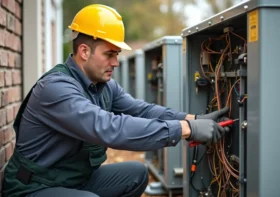
Beyond these operational issues, physical signs around your electrical panel warrant immediate attention. A panel that feels hot to the touch, or emits a burning odor, is a critical red flag indicating overheating components or wiring. These conditions are precursors to electrical fires and should never be ignored.
Older homes, in particular, may still have archaic fuse boxes, which are simply not equipped for modern electrical loads, or panels from manufacturers like Federal Pacific, known for safety defects that prevent breakers from tripping when they should. Replacing a fuse box or a problematic panel is not just an upgrade; it’s a vital safety measure.
Outdated Breaker Technology and Safety Risks
The evolution of electrical standards means that older panels may house outdated breaker technology that poses significant risks. For instance, panels from brands like Zinsco, much like Federal Pacific, have a documented history of manufacturing defects that can lead to breakers failing to trip during an overload or short circuit. This can cause circuits to overheat, melt wires, and ignite fires.
Beyond specific brands, homes built many decades ago might still contain knob-and-tube wiring, which lacks a ground wire and is often insulated with materials that degrade over time, making it a fire hazard. While this wiring itself isn’t part of the panel, its presence often coincides with an older, inadequate electrical panel that cannot safely integrate modern grounded circuits. Even in panels with more modern wiring, internal components can degrade.
Busbar corrosion, for example, can increase resistance, leading to heat buildup and inefficient power distribution. The absence of modern safety features, such as arc fault circuit interrupters (AFCIs) and ground fault circuit interrupters (GFCIs) in older panels, means they cannot detect dangerous electrical conditions like arc faults, which are a leading cause of electrical fires. Upgrading ensures your home benefits from these critical protective technologies.
Physical Symptoms of System Overload
Physical symptoms of an overloaded electrical system extend beyond the panel itself and can manifest throughout your home. Noticeable voltage drops, where lights dim or appliances momentarily lose power when others are activated, clearly indicate that your panel is struggling to supply consistent voltage. This isn’t just an inconvenience; it can shorten the lifespan of sensitive electronics and appliances.
Inside the panel, warm breaker handles are a direct sign that a circuit is drawing more current than it can comfortably handle, leading to excessive heat. This heat can damage the breaker itself and the wiring connected to it. Similarly, any buzzing or humming sounds emanating from the electrical panel are abnormal and often signal loose connections, arcing, or other internal issues that require immediate professional inspection.
These sounds are essentially the electrical system crying for help. Dimming fixtures, especially when you switch on high-demand devices, further underscore the panel’s inability to cope with peak electrical load. These symptoms collectively paint a picture of an electrical system operating at or beyond its safe limits, necessitating a thoughtful review and likely an upgrade of your electrical panel.
Modern Appliance Demands and Home Electrification
The landscape of home living has transformed dramatically over the past few decades, ushering in an era of unprecedented electrical power demands. From the ubiquitous high-definition televisions and powerful gaming consoles to sophisticated kitchen appliances and advanced climate control systems, our homes are consuming more electricity than ever before. This trend is only accelerating with the widespread adoption of induction cooktops, which require substantial 240V circuits, and highly efficient yet power-hungry heat pumps for heating and cooling.
Adding to this growing appetite for power is the increasing popularity of electric car chargers in Torrance, which can place a significant, continuous load on a home’s electrical system. These modern conveniences often require dedicated 240V circuits and specific amperage requirements that many older electrical panels simply weren’t designed to handle. Proper load calculations are essential to determine if your existing service can safely support these additions without risking overload.
Accommodating Home Electric Vehicle Charging
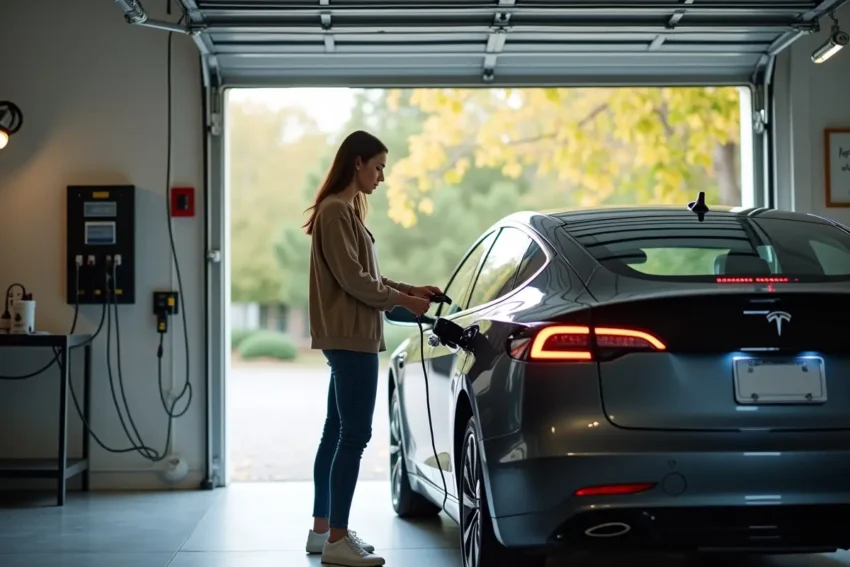
The convenience of charging an electric vehicle at home is a major draw for EV owners, particularly in a forward-thinking community like Torrance. However, installing a Level 2 EV charger introduces a substantial, sustained load that can quickly overwhelm an older electrical panel. A typical Level 2 charger, often connected via a NEMA 14-50 outlet, requires a dedicated 240V circuit and can draw a continuous load of 40 amps or more for several hours. This continuous demand is far different from the intermittent loads of traditional household appliances.
For many homes, especially those with 100-amp service, accommodating an electric car charger in Torrance without an upgrade is often impossible or unsafe. The National Electrical Code (NEC) specifies that continuous loads, like EV charging, should not exceed 80% of the circuit breaker’s rating. This means a 50-amp breaker is needed for a 40-amp continuous load. When you factor in the existing electrical usage of your home, adding such a significant load can push your total service capacity beyond its limits.
In many cases, a 200-amp service upgrade becomes a necessity to safely and reliably power both your home and your EV. Without sufficient panel capacity, you risk frequent breaker trips, potential overheating, and even damage to your electrical system. A dedicated circuit for your EV charger is non-negotiable for safety and performance.
Integrating Heavy HVAC and Solar Energy Systems
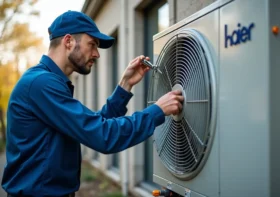
Beyond EV charging, other significant home electrification trends also exert immense pressure on existing electrical panels. The shift towards energy-efficient heat pumps, for example, represents a substantial upgrade in HVAC technology. While heat pumps offer superior efficiency, their installation often requires dedicated 240V circuits with higher amperage ratings than traditional furnaces or air conditioners. These systems can draw considerable power, particularly during peak heating or cooling cycles, demanding a robust electrical panel capable of handling the load without compromise.
Similarly, the integration of solar energy systems, including rooftop panels and battery storage, adds complexity and load considerations to your electrical infrastructure. A solar inverter connection, which converts the DC power from your panels into usable AC power for your home, needs to be safely integrated into your electrical panel. If you also opt for battery storage, the panel must be able to manage the bidirectional flow of electricity—both drawing power from the grid and sending excess solar power back to it, or drawing power from batteries.
The main lug capacity of your panel must be sufficient to handle these additional inputs and outputs. An undersized panel can limit the efficiency of your solar system, prevent proper battery charging, or even create dangerous overload conditions. Modern electrical panels are designed with these complex integrations in mind, providing the necessary capacity and safety features for a fully electrified and energy-independent home.
Benefits of Upgrading to a 200-Amp Electrical Panel
Upgrading your electrical panel to a 200-amp service is one of the most impactful home improvements you can make in today’s electrified world. It’s not merely about increasing capacity; it’s an investment in your home’s safety, efficiency, and future readiness. A robust 200-amp panel offers unparalleled system reliability, ensuring that all your appliances, electronics, and charging needs are met without interruption or strain. This enhanced reliability translates directly into peace of mind, knowing your home’s electrical system can handle anything you plug into it.
Beyond immediate functionality, a 200-amp upgrade significantly boosts your home’s resale value. Prospective buyers increasingly prioritize modern electrical infrastructure, recognizing the costs and complexities of future upgrades. It also helps with insurance compliance; many insurance providers offer better rates or require upgrades for homes with outdated electrical systems due to the reduced fire risk.
Furthermore, a 200-amp panel provides ample expansion capacity, allowing you to add future technologies—whether it’s another electric car charger in Torrance, a home office, or a new kitchen appliance—without worrying about overloading your system. This future-proofing ensures your home remains adaptable to evolving electrical demands and meets current electrical code compliance.
Here is the data transposed so that the service types are rows and the features are columns:
| Service Level | Typical Home Size | Max Power Output | EV Charger Support | Modern Appliance Support | Heat Pump Support | Solar Integration | Future Expansion | Resale Value | Insurance Risk |
| 100-Amp Service (Older Standard) | Small to Medium (pre-1980s) | 24,000 Watts | Limited (often requires load mgmt) | Often insufficient | May struggle | Challenging | Very limited | Can be a deterrent | Higher |
| 200-Amp Service (Modern Standard) | Medium to Large (post-1980s) | 48,000 Watts | Full (supports Level 2) | Excellent | Excellent | Good | Good | Significant asset | Lower |
| 400-Amp Service (Large Homes/Commercial) | Very Large Homes, Multi-unit, Commercial | 96,000+ Watts | Full (supports multiple Level 2/DCFC) | Excellent | Excellent | Excellent | Excellent | Significant asset | Lower |
While a panel upgrade is a significant investment, understanding the various cost factors involved can help homeowners prepare. The total expense is influenced by several components, starting with the utility service entrance. This involves the wiring from the utility pole or underground connection to your meter, which may also need upgrading if it’s not rated for 200 amps. Often, this includes replacing the meter main combo, which houses both the electrical meter and the main disconnect breaker.
Another potential cost factor is trenching fees, particularly if your service is underground and requires excavation to replace or upgrade the service conductors. The panel box location can also influence labor costs; if the new panel needs to be relocated or if the existing space is difficult to access, this can add to the complexity and duration of the job.
Finally, labor rates for licensed electricians vary, but it’s crucial to prioritize qualified professionals for such a critical home system. While we cannot provide specific pricing, these are the primary elements that contribute to the overall project cost. It’s important to obtain detailed quotes from reputable electrical contractors that outline all these potential components.
Licensing and Permits for Electrical Panel Upgrades
Undertaking an electrical panel upgrade is not a DIY project; it requires the expertise of a licensed electrician and adherence to strict regulatory processes. The first crucial step is obtaining the necessary municipal permits from your local building department. These permits ensure that the work performed complies with all current electrical codes and safety standards. A licensed electrician will be familiar with the permitting process in Torrance and will handle the application on your behalf.
Once the permit is secured, the utility company must be notified for a utility disconnect. This temporary power shut-off is essential for the electrician to safely replace the panel without risk of electrocution. After the installation is complete, the work must pass an inspection by a city or county electrical inspector. This inspection verifies that the upgrade was performed correctly, safely, and in accordance with the permit and building code standards.
Only after a successful inspection will the utility company reconnect power to your home. Attempting to bypass these steps can result in fines, unsafe electrical systems, and issues with home insurance coverage. Always ensure your chosen electrician is licensed, bonded, and insured, and that all work is properly permitted and inspected.
Frequently Asked Questions About Home Electrical Panels
We understand that upgrading your electrical panel can seem like a daunting task, and homeowners often have many questions. Here are some of the most common inquiries we receive regarding service updates and how they relate to modern electrical demands, particularly for those looking to install an electric car charger in Torrance.
How do I know if my electrical panel is 100-amp or 200-amp service?
Determining your home’s current electrical service capacity is straightforward. The simplest way is to look at the main breaker rating inside your electrical panel. This is usually the largest breaker, often located at the top of the panel, and will have a number like “100” or “200” printed on its handle, indicating the maximum amperage the panel can handle. You can also inspect the panel label, typically located inside the panel door or on the panel’s exterior. This label often provides detailed specifications, including the panel’s amperage rating.
If you’re unsure or uncomfortable opening your electrical panel, a licensed electrician can quickly assess your utility meter rating and panel capacity during a home inspection. They can confirm your service size and advise if it’s sufficient for your current and future electrical needs.
Can I add a Level 2 EV charger without upgrading my electrical panel?
It depends on your current electrical panel’s capacity and your home’s existing electrical load. While some homes with a 200-amp service might have enough spare capacity, many, especially those with 100-amp panels, will find it challenging. A Level 2 electric car charger in Torrance typically requires a dedicated 240V circuit, often drawing 40 amps or more continuously. To determine if your panel can handle this, a load calculation must be performed by a qualified electrician.
This calculation assesses your home’s total electrical demand. If there’s insufficient capacity, you might consider options like a smart splitter, which manages power between your EV charger and another 240V appliance (like a dryer) to prevent overload. However, these devices don’t increase your panel’s overall capacity and may slow down charging if other appliances are in use. If your load calculation shows your panel capacity limitations would be exceeded, an upgrade is the safest and most reliable solution for consistent Level 2 EV charging.
How long does a standard electrical panel replacement take?
The duration of a standard electrical panel replacement can vary, but typically, the physical work of replacing the panel itself can be completed within one to two days. This timeframe includes the necessary utility shut-off, during which your home will be without power. The electrician will disconnect the old panel, install the new one, and reconnect all the circuits. However, the overall project timeline extends beyond just the installation. It includes the time required for municipal permits to be issued, which can take several days to a few weeks depending on your local jurisdiction in Torrance.
After installation, the work must undergo an inspection by a city or county electrical inspector to ensure compliance with building codes. This inspection timeline can add another few days to a week before power is permanently reconnected. All told, from initial assessment to final power restoration, homeowners should generally expect the process to take anywhere from a few days to a couple of weeks, depending on permitting and inspection schedules.
Conclusion
Ensuring your home’s electrical panel is up to date is more than just a matter of convenience; it’s a critical component of home safety, energy efficiency, and future-proofing. As our reliance on electricity grows, driven by modern appliances and the increasing adoption of electric car chargers in Torrance, an outdated panel can pose significant risks and limit your home’s capabilities.
By recognizing the warning signs and understanding the demands of today’s electrified lifestyle, you can make an informed decision about upgrading your electrical infrastructure. An upgraded panel not only provides the necessary capacity for current and future technologies but also enhances your home’s value and reduces potential hazards. We strongly recommend consulting with a licensed electrician to assess your current system and discuss the best solutions for your home’s evolving electrical needs.