Patio Shades: Beating the Summer Sun
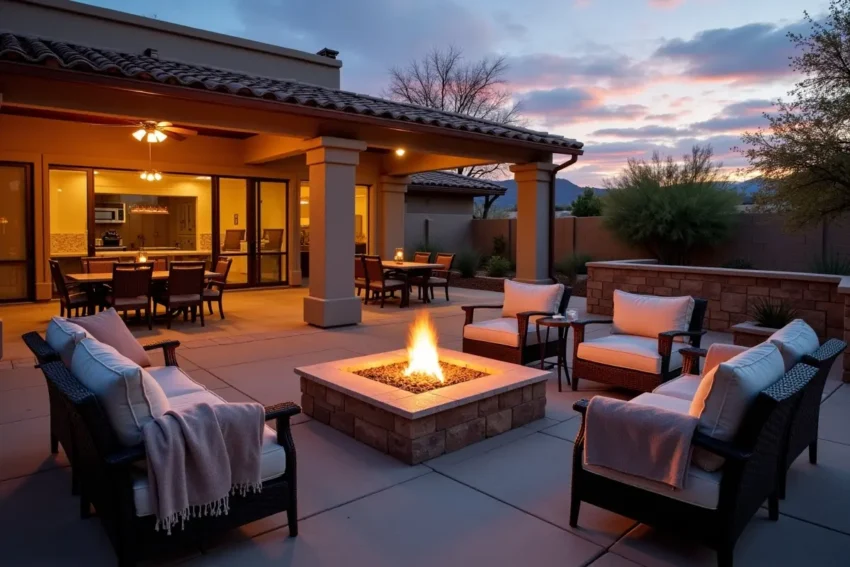
Summer sun can surprise you. A patio that felt perfect in spring can feel like a frying pan by July, and if your backyard sits empty from noon to five, shade is probably the missing piece.
Here is how to think through patio shades in Salt Lake City as one example, from sun angles to wind, so the setup you choose actually gets used wherever you live.
Why Shade Is More Than Comfort
Strong sun is a health decision as much as a comfort one. Sun exposure can still cause burns on cooler days, and high elevation or reflective surfaces like concrete and light pavers make an unshaded patio hotter and harsher.
Shade also protects your furniture. Cushions, wood, and outdoor rugs fade and crack in a single season if they sit in full sun every afternoon.
Know Your Sun Angles First
Before you shop, spend a day watching where the sun hits. West-facing patios take the harshest late afternoon light, which is when most people want to be outside. South-facing spaces get long hours of overhead sun. East-facing patios are comfortable in the afternoon but bright in the morning.
Note the times, not just the directions. A shade that covers the patio at noon may leave the dining table exposed by four. Taking a few photos at different hours will save you from buying the wrong size.
Fixed Shade or Adjustable Shade
A pergola or solid cover gives constant shade, but it also blocks winter light and can make an adjacent room feel dark. Adjustable options let you open up the space in cooler months when the sun is welcome. This is where motorized blinds and shades earn their place, since one button lets you respond to changing light without leaving your seat.
Retractable shades are especially useful on covered porches, where you want a view on a cool evening but protection on a hot afternoon.
Plan for Wind
Wind can arrive quickly, especially on open or hillside properties. Any shade you install should be rated for gusts and anchored properly. Ask about wind sensors and automatic retraction, which pull the shade up before a gust has a chance to stress the fabric or the frame.
Fabric choice matters too. A tighter weave blocks more sun and heat, while an open weave keeps the view clearer and lets some air through. For a west-facing patio, many homeowners choose a denser fabric and accept a slightly darker view in exchange for a noticeably cooler seating area.
Do Not Forget the Cooler Seasons
Winter and shoulder seasons can bring low, gentle sun that you may actually want on the patio. A shade that rolls out of the way, or can be fully retracted, lets you use the space on a clear cold afternoon. If your climate gets freezing weather, check that the fabric and motor are designed for it and that the hardware is protected from ice buildup.
Make It Feel Like a Room
Good shade changes how a patio feels. Pair it with a ceiling fan or an outdoor misting option, add some planters for color, and a space that once sat empty becomes a second living room for most of the year. Families tend to use the yard for dinner more often, pets stay cooler, and the house itself runs a bit cooler when the sun is stopped before it reaches the glass.
The Bottom Line
Choose shade based on the real path of the sun, the wind your property sees, and how you want to use the space across the seasons. Do that, and your patio goes from a place you avoid in July to the place you spend every evening.