Fall Maintenance Checklist for Every Homeowner
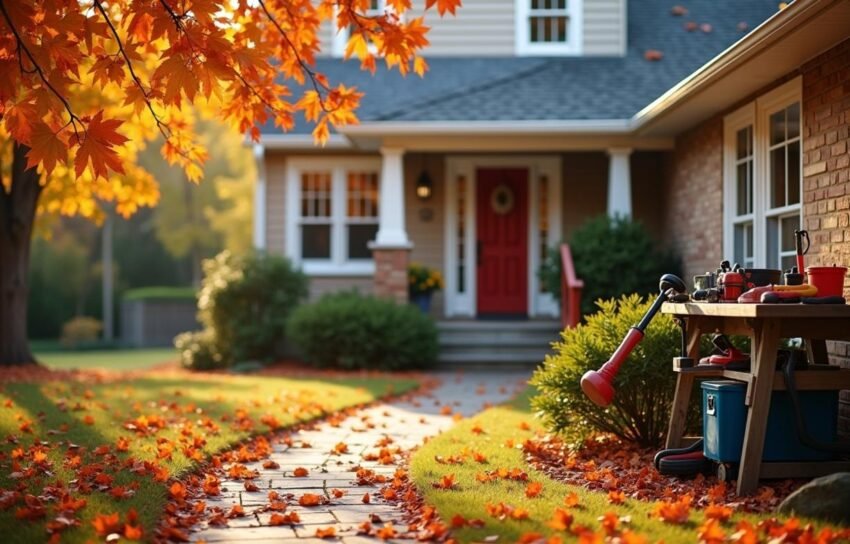
Cooler weather exposes weak spots that summer can hide. A loose shingle, a clogged downspout, or a dirty furnace filter can turn into water damage, heat loss, or a no-heat call during the first cold snap.
Use this fall maintenance checklist as a room-by-room and exterior guide before temperatures stay below 40°F. Start with weatherproofing, water control, heating, and safety, then handle yard and storage tasks before the first hard freeze.
Seal the House Before Cold Air Moves In
Air leaks waste heat and make rooms feel uneven. The U.S. Department of Energy says air sealing and insulation are among the most effective ways to reduce heating and cooling energy use. Check gaps around windows, doors, attic hatches, dryer vents, hose bibs, and where pipes enter the wall.
Use exterior-rated caulk for gaps smaller than 1/4 inch. Use low-expansion spray foam for larger gaps around penetrations. Replace torn door sweeps if you can see daylight under an exterior door. Weatherstripping should compress when the door closes, not flatten completely.
Check Windows and Doors
Lock every window before testing drafts, because unlocked sashes leak more air. Hold a stick of incense near the trim on a windy day. Smoke that moves sideways marks a leak. For older single-pane windows, plastic film kits can help during winter and typically cost $10 to $25 per window.
Look at exterior trim for peeling paint, soft wood, or cracked caulk. Probe suspicious wood with a screwdriver. If the tip sinks in more than 1/8 inch, water has likely entered. Repair the source before painting, because paint traps moisture inside damaged trim.
Control Roof and Gutter Water
Water should move off the roof, through gutters, and at least 5 feet away from the foundation. Clean gutters after most leaves fall, not before. If your home sits under oaks, maples, or pines, check gutters twice: once mid-fall and once after the last major drop.
Downspouts should discharge onto splash blocks or extensions. Soil should slope away from the house at about 6 inches over the first 10 feet. Flat or sunken soil lets water sit against foundation walls. That increases basement seepage risk during freeze-thaw cycles.
Inspect the Roof From the Ground
Use binoculars instead of climbing onto the roof. Look for missing shingles, lifted edges, exposed nail heads, rusted flashing, and piles of granules near downspouts. Granule loss matters because asphalt shingles use granules for UV protection and fire resistance.
Pay close attention to valleys, chimneys, skylights, and plumbing vents. These areas leak first because they interrupt the roof surface. Trim branches that hang within 10 feet of shingles. Branches scrape roofing during wind and drop leaves into valleys.
Clear Gutters Safely
Use a sturdy extension ladder on level soil, with the base 1 foot away from the house for every 4 feet of ladder height. This follows the ladder angle guidance promoted by OSHA. Keep your belt buckle between the side rails while working.
Flush each downspout with a hose after removing debris. If water backs up, feed a plumber’s snake from the bottom opening. Gutter guards help when leaves are the main problem, but they still need inspection after storms.
Service Heating and Fire Safety Systems
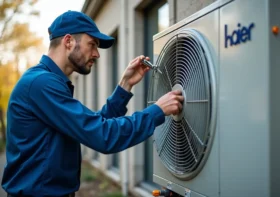
Schedule heating service before nights stay cold. A technician should inspect burners, ignition, heat exchangers, flue draft, electrical connections, and condensate drains. Replace standard 1-inch furnace filters every 30 to 90 days, depending on dust, pets, and runtime.
The National Fire Protection Association recommends keeping anything that can burn at least 3 feet from heating equipment. That includes boxes, curtains, bedding, and laundry. Test smoke alarms monthly. Replace smoke alarms when they reach 10 years old, based on the manufacture date.
Match the Heating Task to Your Situation
Some tasks suit homeowners, while others need licensed help. Gas leaks, combustion problems, and heat exchanger cracks create carbon monoxide risk. The CDC notes that carbon monoxide has no smell or color, so alarms belong near sleeping areas and on each level.
| Situation | Best action | Why it fits |
|---|---|---|
| Filter looks gray or clogged | Replace it yourself | Airflow drops, and the blower works harder |
| Furnace makes booming sounds | Call an HVAC technician | Delayed ignition can damage burners |
| Rooms heat unevenly | Check dampers and returns first | Closed vents often cause pressure problems |
| Gas smell near equipment | Leave and call the gas utility | Do not use switches or phones inside |
| Boiler pressure changes often | Call a technician | Expansion tank or valve issues may exist |
If you burn wood, clean the chimney before regular use. The Chimney Safety Institute of America says chimneys should be inspected annually and cleaned when soot buildup reaches 1/8 inch. Store firewood at least 20 feet from the house. Keep it raised off the ground to slow rot and pests.
Prepare Plumbing for Freezing Weather
Outdoor plumbing fails when trapped water freezes and expands. Disconnect garden hoses before the first freeze. Drain them, coil them, and store them inside a shed or garage. Shut off interior valves feeding exterior hose bibs if your home has them.
Open the outside spigot after shutting off the interior valve. This lets remaining water drain. For frost-free sillcocks, hoses still need removal. A connected hose traps water inside the valve body, defeating the frost-free design.
Protect Vulnerable Pipes
Insulate pipes in crawl spaces, garages, and exterior walls. Foam sleeves work best on straight pipe runs. Seal rim joist gaps nearby, because cold air causes many pipe freezes. Pay attention to pipes within 12 inches of foundation vents or garage doors.
If a pipe froze last winter, fix that area before temperatures drop. Add insulation, block drafts, or relocate exposed pipe where possible. During extreme cold, open cabinet doors under sinks on exterior walls. Let faucets drip only when pipes are known to be vulnerable.
Decide What to DIY and What to Hire
Choose DIY work when the task stays at ground level, uses basic hand tools, and has low safety risk. Caulking, filter changes, hose removal, smoke alarm testing, and soil grading usually fit this category. These tasks also reveal larger issues before you hire anyone.
Hire out work that involves roof walking, gas lines, electrical panels, steep ladders, structural rot, or combustion equipment. A fall HVAC tune-up commonly runs $80 to $200, which is most useful for older systems, gas furnaces, and homes with prior no-heat calls.
| Task | DIY if | Hire if |
|---|---|---|
| Gutter cleaning | One story and stable ladder access | Two stories, steep grade, or power lines nearby |
| Caulking | Gap is clean and under 1/4 inch | Trim is soft, loose, or water-stained |
| Roof inspection | You can inspect from ground | You see missing shingles or flashing damage |
| Furnace prep | Filter and thermostat only | Burner, flue, gas, or electrical issues |
| Tree trimming | Branches are small and reachable | Limbs touch roof or utility lines |
Time also matters. If you have only one free weekend, handle water control first. Gutters, downspouts, soil slope, and hose bibs prevent damage that spreads quickly. Then move to heat, air leaks, and yard tasks.
Finish the Exterior Before the First Hard Freeze
Mow the lawn until growth stops. For many cool-season lawns, the final cut should leave grass around 2.5 to 3 inches tall. Shorter grass exposes crowns to cold. Taller grass can mat down and invite snow mold.
Rake thick leaf layers from turf before they stay wet for weeks. A light layer can be mulched with a mower. Dense leaves block light and trap moisture. Move leaves away from basement windows, stairwells, and foundation vents.
Store patio furniture, grills, and planters before repeated freezes. Empty ceramic and clay pots, because trapped water can crack them. Clean and dry lawn tools before storage. Add fuel stabilizer to gas equipment if fuel will sit longer than 30 days.
Check exterior lighting as days shorten. Replace dim bulbs near entries, steps, and driveways. Clear leaves from stair treads and handrails. Tighten loose railings before ice makes every step less forgiving.