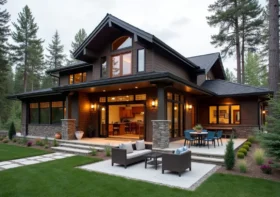
Hardwood Flooring: Choosing Floors That Handle Lake House Life
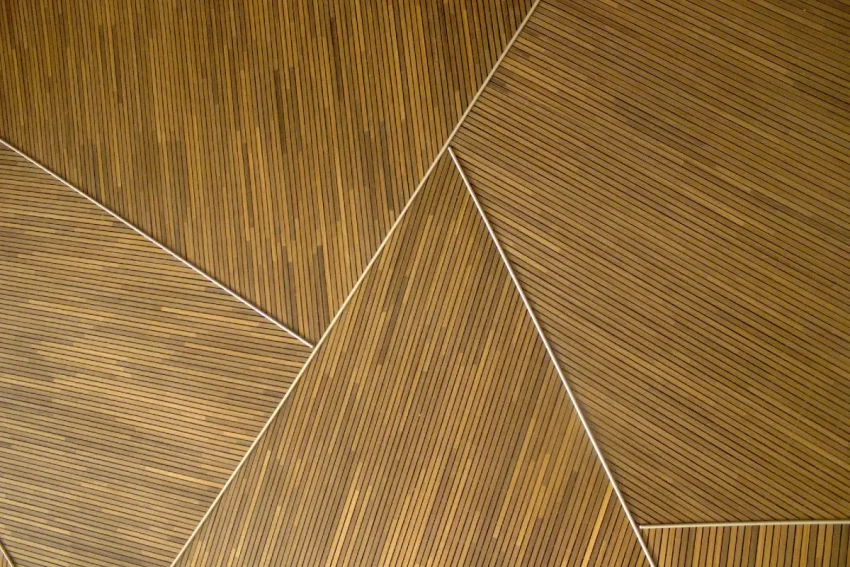
Few materials suit a lakeside home as well as real wood. It warms up a room, ties in with the pine and stone outside, and ages well when it is cared for. But a lake house is not a downtown condo. Humidity swings, boots, sand, and long stretches of vacancy all test a floor in ways that a typical suburban home never does.
If you are planning hardwood flooring in Muskoka as one example of a cottage project, a few decisions up front will keep the floor looking good for decades.
Understand That Wood Moves
Wood absorbs and releases moisture as the air changes, so every board swells a little in humid summers and shrinks in dry winters. This is normal, and a quality installation plans for it. The basics of moisture control are worth reading before you buy anything, since most flooring problems start with moisture rather than the wood itself.
Small seasonal gaps that close again in summer are expected. Large gaps, cupping, or boards that lift are signs that humidity or the subfloor needs attention.
Solid or Engineered
Solid hardwood is a single piece of wood from top to bottom. It can be sanded and refinished many times, which makes it a good long-term investment in a main residence. Engineered hardwood has a real wood surface over a layered core that resists movement, which is why it is often chosen for cottages, basements, and homes with in-floor heating.
Neither is simply better. The right choice depends on how the building is used, how stable the temperature is, and how much refinishing you expect to do.
Pick a Species and Finish for Real Life
Oak, maple, and hickory are common, and each has a different hardness and look. Oak is versatile and stains well. Maple is tight grained and clean. Hickory is very hard and shows strong grain variation, which can hide wear. If you have dogs or kids, harder species and a matte or low sheen finish will disguise scratches better than a glossy surface.
Wide planks give a calm, modern look, but they move more than narrow ones. Talk through that trade-off with your designer before committing.
Lake Properties Need Extra Thought
Seasonal homes are often closed up for months and then opened to heavy use in summer. Sudden changes in temperature and humidity are hard on wood. If your place is unheated in winter, ask your installer whether the floor you are considering can handle it, and whether a different system makes more sense.
Entrances matter as well. Sand, wet boots, and dock gear are all hard on finishes, so a durable mat, a boot tray, and a tile or stone landing can protect the wood past the door.
Compare Against Other Options
It is worth looking at what else is out there before you decide. Reading the pros and cons of vinyl flooring can help you see where wood wins, and where a different product is a smart choice for a particular room like a mudroom or laundry.
Install It Properly
Great wood can still fail with a poor installation. The subfloor needs to be flat and dry, the wood should acclimate to the home before installation, and expansion space should be left at the edges. Whoever does the work should be able to explain each step.
Care Without Fuss
Sweep or vacuum regularly, wipe up spills quickly, and use felt pads under furniture. Skip steam mops and soaking wet cleaning. In winter, a humidifier can help keep the air in the comfortable range, and in summer, good ventilation does the same job.
The Takeaway
A well chosen wood floor can handle the lake, the seasons, and plenty of family traffic. Plan for moisture, pick a species and finish that suit how you live, and insist on a careful installation, and your floors will get better with age.