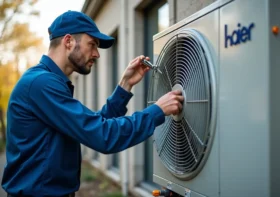
What to Do When You Need Emergency HVAC Repairs
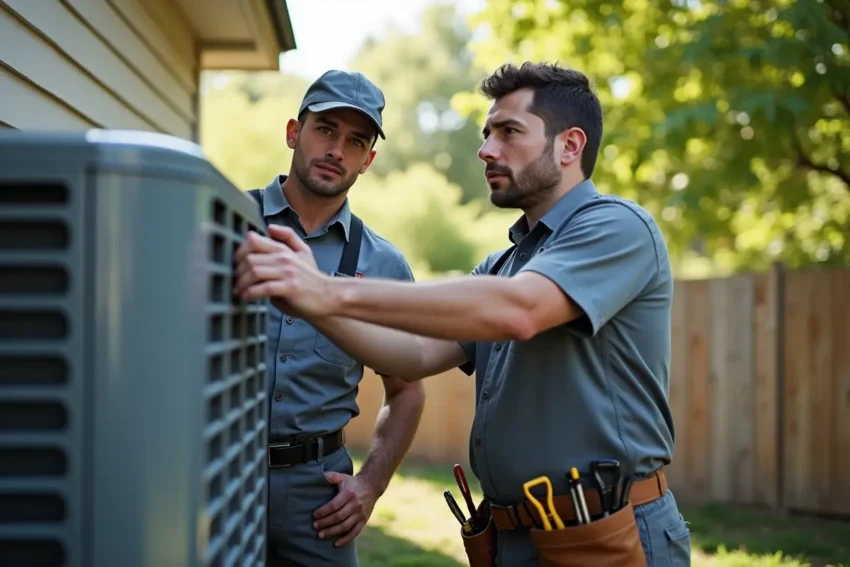
Imagine a scorching summer day in Cottonwood Heights, UT, and your air conditioning suddenly quits. We understand HVAC emergencies can turn a comfortable home into a stressful oven in minutes. These unexpected breakdowns not only disrupt your comfort but can also pose health risks, particularly for vulnerable family members. We believe understanding what to do when your cooling system fails is crucial. In this guide, we will help you navigate such stressful situations, from identifying critical signs to knowing when to call an AC maintenance company in Cottonwood Heights, UT for immediate help.
When your air conditioning system begins to falter, it often gives off subtle, or sometimes not-so-subtle, warnings. Recognizing these indicators early can be the difference between a minor repair and a complete system breakdown, especially during the intense summer months we experience in Cottonwood Heights, UT. Ignoring these signs can lead to more extensive damage, higher repair costs, and prolonged discomfort. A proactive approach to these early warnings can save you from a full-blown emergency.
Identifying the Critical Signs That Require Emergency HVAC Repairs
One of the most common red flags is a significant decrease in cooling capacity. If your AC is running constantly but your home isn’t reaching the desired temperature, or if certain rooms feel noticeably warmer than others, it’s a clear sign of trouble. This could stem from a variety of issues, such as low refrigerant levels, a clogged air filter, or even a failing compressor. Another obvious indicator is unusual noises emanating from your unit.
While some operational sounds are normal, grinding, squealing, banging, or persistent rattling sounds often point to mechanical problems like worn-out bearings, loose fan blades, or issues within the compressor. Similarly, strange odors, such as a burning smell, a musty scent, or even a chemical odor, should never be ignored. A burning smell could indicate an electrical problem or an overheated motor, while a musty smell often suggests mold or mildew growth within the system, impacting your indoor air quality. Visible leaks around your indoor unit or pooling water near the outdoor condenser are also serious concerns.
Water leaks can lead to extensive property damage and indicate a clogged condensate drain line or, more severely, a refrigerant leak, which requires immediate professional attention. Any of these symptoms warrant a call to a professional AC maintenance company in Cottonwood Heights, UT, to diagnose and address the issue before it escalates into a full emergency.
Recognizing Safety Hazards That Demand Emergency HVAC Repairs
Some HVAC issues transcend mere discomfort and pose direct safety risks to your household. Recognizing these hazards quickly is paramount, as they often require immediate shutdown of the system and professional intervention. Ignoring these critical signs can lead to serious consequences, including fire, carbon monoxide poisoning, or electrical shock.
One of the most alarming signs is an electrical burn odor. This distinct, acrid smell often indicates overheating wires, a failing motor, or a short circuit within the electrical components of your HVAC system. If you detect such an odor, immediately turn off your AC unit at the thermostat and, if possible, at the circuit breaker. Electrical fires can spread rapidly, and addressing the issue without professional help is extremely dangerous.
Another severe hazard is the smell of natural gas. While your AC unit itself doesn’t typically use natural gas, it might be located near a furnace or gas lines. A rotten egg smell is the classic indicator of a gas leak. If you detect this, evacuate your home immediately, do not use any electrical switches or phones inside the house, and call your gas utility company and emergency services from a safe distance.
Frequent tripping of your circuit breaker when the AC unit attempts to start or run is another serious electrical warning. This indicates that the system is drawing too much power, often due to an electrical overload, a short, or a failing component like the compressor or fan motor. While resetting a breaker once might be acceptable, repeated trips signal a deeper, potentially dangerous electrical problem that could lead to wiring damage or fire.
Similarly, if your outdoor unit is severely overheating to the touch, or if you notice scorch marks, it suggests internal components are under extreme stress. This could be due to a lack of airflow, a failing fan motor, or a refrigerant issue, all of which can lead to system failure or fire. Lastly, a sudden and unexplained power loss to the entire unit, beyond a simple breaker trip, could indicate a severe electrical fault within the system or your home’s wiring, necessitating immediate professional inspection to prevent further damage or hazards.
Common Cooling Failures That Need Immediate Attention
Beyond safety hazards, several cooling failures demand prompt attention to restore comfort and prevent further damage to your system or home. These issues, while perhaps not immediately life-threatening, can quickly degrade your indoor environment and lead to more costly repairs if neglected.
A frequently encountered problem is a clogged condensate line. Your AC system removes humidity from the air, and this moisture drains away through a condensate line. Over time, algae, mold, or debris can accumulate, causing a blockage. When this happens, water can back up and overflow, leading to water pooling around your indoor unit, in your drain pan, or even seeping into your ceiling or walls.
This not only creates a mess but can also cause significant water damage, promote mold growth, and eventually trigger your system’s safety switch, shutting it down completely. If you observe water pooling, it’s crucial to address the clogged line promptly to prevent extensive damage.
Another critical cooling failure involves the thermostat. If your AC unit isn’t responding to thermostat commands, or if the display is blank or showing error codes, it could be a simple battery issue, a wiring problem, or a complete thermostat malfunction. A disconnected or faulty thermostat means your system can’t receive proper instructions, leaving you without cooling. While sometimes an easy fix, a professional diagnosis ensures the problem isn’t indicative of a deeper electrical or control board issue within the main unit.
Compressor failure is arguably one of the most severe cooling problems. The compressor is the heart of your AC system, responsible for circulating refrigerant and facilitating the heat exchange process. If the compressor fails, your unit will likely run but produce no cold air, or it might not even start at all.
Signs of compressor failure often include loud grinding or buzzing noises, the outdoor unit struggling to start, or simply a complete lack of cooling despite the fan running. Replacing a compressor is a significant repair, often one of the most expensive, and sometimes leads to considering a full system replacement.
Finally, severe airflow restriction can drastically impact your AC’s performance. This can be caused by extremely dirty air filters, blocked return or supply vents, or issues within your ductwork. When airflow is restricted, your system has to work much harder to push air through, leading to reduced cooling capacity, increased energy consumption, and potential coil freezing.
If you notice significantly reduced airflow from your vents, or if your outdoor unit’s coils are frozen, it’s a strong indication of an airflow problem. Addressing these common cooling failures quickly with the help of an AC maintenance company in Cottonwood Heights, UT, can prevent discomfort and safeguard your investment.
Immediate Steps to Take While Waiting for Technician Arrival
When your AC system unexpectedly breaks down, especially during a hot summer day in Cottonwood Heights, UT, panic can set in. However, taking immediate, decisive steps can not only ensure your safety but also prevent further damage to your unit and make the repair process smoother for the technician. We recommend a calm and methodical approach to these emergency situations.
The very first action you should take is to turn off your HVAC system. This means switching the thermostat from “Cool” to “Off.” If you suspect an electrical issue, a gas leak, or severe mechanical failure, it’s even safer to turn off the power to the unit at your home’s main electrical panel by flipping the corresponding circuit breaker. This crucial step prevents the system from attempting to run, which could exacerbate the problem, cause more extensive damage, or even pose a fire hazard.
Once the power is off, focus on indoor ventilation. Open windows and doors if the outside air is cooler than inside, especially during the evening or early morning. If it’s still hot outside, keep them closed to prevent more heat from entering. Closing window blinds, curtains, and drapes, especially on south and west-facing windows, will help block solar heat gain, slowing down the rate at which your home heats up. These simple measures contribute significantly to household temperature control while you await professional help.
What to Do Before the Technician Arrives for Emergency HVAC Repairs
Once your system is safely powered down, there are several preparatory steps you can take that will greatly assist the AC maintenance company in Cottonwood Heights, UT, when they arrive. These actions not only demonstrate your preparedness but also provide valuable information that can expedite the diagnosis and repair process.
First, ensure the system powerdown is complete, as mentioned earlier. Double-check that the thermostat is off and the circuit breaker is flipped. Next, perform a quick filter inspection. A severely clogged air filter can restrict airflow, causing various problems including coil freezing and reduced cooling efficiency.
While it might not be the root cause of an emergency breakdown, a clean filter ensures optimal performance once the primary issue is resolved. Then, check your outdoor unit for any obvious obstructions. Clear away any leaves, grass clippings, or debris that might be blocking the condenser coils or impeding the fan’s operation. Ensuring good airflow around the unit is always beneficial.
Crucially, take the time for symptom documentation. Note down exactly what happened, when it started, any unusual noises or smells you detected, and what the thermostat was set to. Did the unit make a strange sound before it stopped? Was there a burning smell? Did the breaker trip? This detailed information provides valuable clues to the technician, helping them pinpoint the problem more quickly.
If you have pets, it’s also wise to manage them by keeping them in a separate room or securing them. This ensures their safety and allows the technician to work unimpeded. Finally, and perhaps most importantly, ensure you have contacted a reliable AC maintenance company. For situations demanding immediate attention, knowing who to call for 24/7 emergency repairs is paramount. A reputable company will provide clear instructions and an estimated arrival time, giving you peace of mind during a stressful situation.
Safe Household Measures During Excessive Heat
While waiting for your AC repair, especially during a hot Cottonwood Heights summer, implement strategies to keep yourself and your family safe and as comfortable as possible. Prolonged exposure to excessive heat can lead to heat exhaustion or heatstroke, so proactive measures are essential.
Staying hydrated is the most critical step. Drink plenty of water, even if you don’t feel thirsty. Avoid sugary drinks, alcohol, and excessive caffeine, as these can contribute to dehydration. Consider making ice water or adding electrolyte packets to your drinks. Next, make strategic use of ceiling fans. While fans don’t actually cool the air, they create a wind-chill effect that helps evaporate sweat from your skin, making you feel cooler. Remember to turn them off when you leave a room, as they cool people, not spaces.
Closing heavy drapes, blinds, or curtains on all windows, particularly those facing the sun, is an effective way to block solar heat gain. This prevents sunlight from directly heating your home’s interior. You might be surprised how much cooler a room can feel by simply blocking the sun’s rays.
Additionally, avoid using heat-generating appliances as much as possible. This includes avoiding oven usage, opting for microwave meals, grilling outside, or preparing cold dishes. Even running a dishwasher or clothes dryer can add significant heat and humidity to your home. If you have a basement, seeking cool basement areas can provide a natural refuge. Basements are typically several degrees cooler than upper floors due to being underground and insulated from direct sunlight.
Taking cool showers or baths, wearing lightweight and loose-fitting clothing, and even placing a cool, damp cloth on your neck or wrists can offer temporary relief. These measures, combined with communication with your chosen AC maintenance company in Cottonwood Heights, UT, will help you weather the heat until your system is back online.
How Weather Extremes Cause Sudden Air Conditioner Breakdowns
The climate in Cottonwood Heights, UT, characterized by its distinct seasons, plays a significant role in the performance and longevity of air conditioning systems. While we enjoy beautiful summers, the intense heat and dry conditions can place immense stress on AC units, often leading to sudden breakdowns. Understanding this relationship is key to appreciating the importance of proactive maintenance.
During the peak summer months, especially in August 2026, air conditioning units in Cottonwood Heights are subjected to relentless operation. The dry heat, combined with the often-dusty conditions prevalent in the Wasatch Front area, creates a challenging environment for HVAC equipment.
High ambient temperatures force AC units to work harder and longer to achieve and maintain desired indoor temperatures. This continuous runtime means components are under constant strain, leading to accelerated wear and tear. Motors, capacitors, and compressors all experience increased stress, making them more susceptible to failure. Furthermore, the dry air can contribute to issues like static electricity buildup and can dry out rubber components and seals faster.
The presence of airborne dust and particulate matter, common in our region, is another major contributor to AC problems. These particles can quickly clog air filters, reducing airflow and forcing the system to work harder. More critically, they can accumulate on the outdoor condenser coils, acting as an insulating layer that prevents efficient heat transfer. When the coils are dirty, the unit cannot release heat effectively, causing the system to overheat, refrigerant pressures to rise, and overall efficiency to plummet.
This increased strain not only leads to higher energy bills but also significantly shortens the lifespan of the compressor and other vital components. The peak power demand during heatwaves also puts a strain on the electrical grid and can sometimes lead to power fluctuations, which can be detrimental to sensitive AC electronics. All these factors combined make AC systems in Cottonwood Heights particularly vulnerable to sudden breakdowns if not properly maintained.
Cottonwood Heights Climate Impact on Cooling Systems
The specific climatic conditions of Cottonwood Heights, nestled at the base of the Wasatch Front, exert unique pressures on residential cooling systems. These environmental factors necessitate a tailored approach to AC maintenance to ensure reliability and efficiency.
The dry heat exposure is perhaps the most significant challenge. Unlike humid climates where heat indices are often higher due to moisture, our dry heat means that while the air itself might be less dense, the sheer temperature can be extreme. This causes AC units to experience continuous runtime, often operating for many hours without cycling off, particularly during the hottest parts of the day.
This prolonged operation leads to increased thermal stress on all components, from the fan motors to the compressor. The constant cycling of refrigerant under high pressure and temperature can degrade its effectiveness over time and strain the system’s ability to dissipate heat.
Moreover, particulate buildup from the surrounding environment is a persistent issue. The Wasatch Front is known for its seasonal dust and pollen. These fine particles are easily drawn into outdoor condenser units and indoor air handlers. As previously mentioned, dirty coils severely impede heat exchange, forcing the system to work harder, consume more energy, and ultimately leading to premature component failure. This buildup also affects indoor air quality, circulating allergens and dust throughout the home if filters are not regularly changed.
The electrical strain on systems is also noteworthy. When AC units operate under extreme conditions, they draw more power. This can stress electrical connections, wiring, and internal components like capacitors and contactors, making them more prone to failure. Over time, this severe heat stress can significantly reduce the overall lifespan of an AC unit, making regular, professional AC maintenance in Cottonwood Heights, UT, not just a convenience, but a necessity for homeowners seeking reliable cooling and efficient operation.
Preventing System Failures with Routine AC Maintenance
While emergency repairs are sometimes unavoidable, the vast majority of sudden AC breakdowns can be prevented with consistent, routine maintenance. Investing in seasonal tune-ups is not merely about fixing problems but about proactively identifying potential issues, optimizing performance, and extending the life of your system. For homeowners in Cottonwood Heights, UT, where AC units work tirelessly through hot summers, preventative care is an indispensable part of homeownership.
Professional maintenance visits, typically recommended once a year in the spring before the cooling season begins, involve a comprehensive inspection and tune-up of your entire AC system. During these visits, a qualified technician will perform a series of checks and adjustments designed to ensure all components are functioning optimally. This includes examining electrical connections, lubricating moving parts, checking refrigerant levels, and thoroughly cleaning coils and drainage systems.
The goal is to catch minor issues before they escalate into major, costly repairs. For instance, a loose electrical connection might cause intermittent operation and eventually lead to a component failure, but a technician can tighten it during a routine check. Similarly, a slightly low refrigerant charge, which might not yet cause a noticeable cooling issue, can be identified and corrected, preventing the compressor from working overtime and potentially failing.
Beyond preventing breakdowns, routine maintenance significantly contributes to the overall energy efficiency of your unit. A well-maintained AC system runs more smoothly and consumes less power to achieve the same cooling effect. This translates directly into lower utility bills during the peak summer months. It also helps maintain good indoor air quality by ensuring filters are clean and preventing mold and mildew buildup within the system. Scheduled preventative maintenance by an AC maintenance company in Cottonwood Heights, UT, is a smart investment that safeguards your comfort, your wallet, and the longevity of your cooling system.
Key Components Serviced During Preventative Visits
A professional AC maintenance visit is a thorough process designed to inspect, clean, and optimize every critical component of your cooling system. This comprehensive approach ensures that your unit is ready to tackle the demands of the Cottonwood Heights summer.
One of the primary tasks is a refrigerant charge check. The technician will verify that your system has the correct amount of refrigerant. Too little can lead to reduced cooling and overworking the compressor, while too much can also cause efficiency issues. They will also inspect for any signs of refrigerant leaks, which are detrimental to both your system’s performance and the environment.
Next, electrical tightening is crucial. Loose electrical connections can cause voltage drops, overheating, and eventual component failure. The technician will inspect and tighten all wiring and connections, including those to the compressor, fan motors, and control board, ensuring safe and reliable operation.
Coil cleaning is another vital service. Both the indoor evaporator coil and the outdoor condenser coil are susceptible to accumulating dirt, dust, and grime. In Cottonwood Heights, the dusty environment means condenser coils can get particularly dirty, impeding heat transfer.
Cleaning these coils ensures maximum efficiency and prevents the system from overworking. A condensate flush is also performed to clear out the drain line. As discussed earlier, clogged condensate lines can lead to water damage and system shutdowns. Flushing the line prevents algae and debris buildup, ensuring proper drainage. Finally, blower adjustment and inspection are critical.
The blower motor and fan are responsible for circulating conditioned air throughout your home. The technician will inspect the blower motor, lubricate moving parts if necessary, and ensure the fan blades are clean and balanced. They will also check the overall airflow to ensure it meets specifications. These detailed checks and adjustments performed by an AC maintenance company in Cottonwood Heights, UT, are what keep your system running efficiently and reliably year after year.
Long-Term Benefits for Efficiency and System Longevity
The advantages of regular AC maintenance extend far beyond preventing immediate breakdowns. These long-term benefits translate into significant savings, improved comfort, and a healthier home environment for residents of Cottonwood Heights, UT.
Perhaps the most tangible benefit is utility bill reduction. A well-maintained AC system operates at peak energy efficiency, meaning it consumes less electricity to produce the same amount of cooling. Over the lifespan of your unit, these energy savings can add up to hundreds, if not thousands, of dollars. Clean coils, proper refrigerant levels, and well-lubricated components all contribute to a system that doesn’t have to work as hard, directly impacting your monthly energy costs.
Furthermore, regular maintenance significantly improves indoor air quality. By ensuring filters are clean and preventing the buildup of mold, mildew, dust, and other allergens within the system, you’re circulating cleaner, healthier air throughout your home. This is particularly beneficial for individuals with allergies or respiratory sensitivities.
Another major advantage is prolonged equipment lifespan. An AC unit is a significant investment, and routine care is the best way to protect that investment. Just like a car, an AC system that receives regular tune-ups and inspections will last years longer than one that is neglected. Technicians can identify and replace worn-out parts before they cause cascading failures, delaying the need for costly full system replacements. This means you get more years of reliable service from your existing unit.
Maintaining peak energy efficiency not only saves you money but also reduces your carbon footprint, contributing to environmental sustainability. Lastly, homeowners in Cottonwood Heights, UT, should be aware of potential local utility rebates or incentives that may be available for maintaining or upgrading AC systems. Many utility companies offer programs that reward homeowners for improving their home’s energy efficiency, which can further offset the costs of maintenance or a new, high-efficiency unit. These collective benefits underscore why regular AC maintenance is a wise and necessary practice for any homeowner.
Conclusion
Navigating an unexpected HVAC emergency in Cottonwood Heights, UT, can be daunting, but with the right knowledge and a clear plan, you can minimize stress and ensure your family’s comfort and safety. We’ve explored the critical signs that demand immediate attention, from alarming safety hazards like electrical burn odors and gas smells to common cooling failures such as clogged condensate lines and compressor issues. Understanding these indicators is the first step in taking control of the situation.
We’ve also outlined the immediate steps to take while waiting for professional help, emphasizing the importance of powering down your system, documenting symptoms, and implementing safe household measures to cope with excessive heat. Recognizing how Cottonwood Heights’ unique climate, with its dry heat and airborne particulates, impacts your AC system highlights the necessity of proactive care.
Most importantly, we’ve underscored that preventing system failures through routine AC tune-ups is the most effective strategy. Regular maintenance ensures peak energy efficiency, improves indoor air quality, and significantly prolongs the lifespan of your equipment, ultimately saving you money and providing consistent indoor climate control.
By being informed about immediate emergency steps and committing to routine AC tune-ups, homeowners in Cottonwood Heights, UT, can ensure year-round reliability and enjoy peaceful home comfort. Don’t wait for an emergency to strike; partner with a trusted AC maintenance company to keep your system running smoothly.