The Importance of Regular Septic System Maintenance
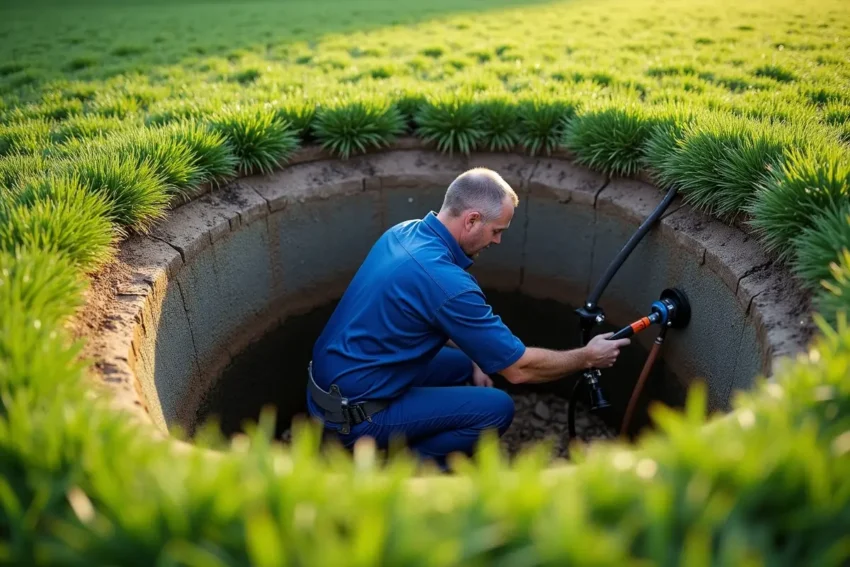
When considering wastewater management for your property, understanding the fundamental differences between aerobic and anaerobic septic systems is crucial. While both systems treat household wastewater, they employ distinct biological processes that significantly impact their efficiency, environmental footprint, and suitability for various property conditions.
We often encounter situations where the natural environment or property layout necessitates a more advanced treatment approach than traditional systems can offer, requiring comprehensive septic solutions to ensure long-term performance.
How Anaerobic Systems Function
Conventional anaerobic septic systems are widely recognized for their simplicity and effectiveness in suitable environments. These systems operate without the introduction of oxygen, relying on a natural, gravity-fed flow. Wastewater from your home enters a large, underground septic tank. Inside this tank, the magic of anaerobic bacteria begins. These microorganisms thrive in oxygen-deprived conditions and are responsible for breaking down solid waste.
The process within an anaerobic tank typically involves three distinct layers:
- Scum layer: Lighter solids, oils, and grease float to the top, forming a layer of scum.
- Effluent layer: The middle layer consists of clarified wastewater, which is relatively free of solids.
- Sludge layer: Heavier solids settle at the bottom, forming a layer of sludge.
Over time, this sludge accumulates, requiring regular pumping—typically every 3 to 5 years—to prevent it from overflowing into the drain field. The partially treated effluent from the middle layer then flows out of the tank and into a soil absorption field, also known as a leach field or drain field. Here, the effluent percolates through the soil, where further natural filtration and microbial action occur, ultimately returning the water to the groundwater system. The effectiveness of this final treatment stage heavily depends on the soil’s ability to absorb and filter the wastewater, making it unsuitable for properties with poor soil percolation or high water tables.
How Aerobic Systems Process Wastewater
Aerobic septic systems, by contrast, represent an advanced form of wastewater treatment, often likened to a miniature municipal sewage plant. Their key distinguishing feature is the active introduction of oxygen into the treatment process. This is achieved through an aeration chamber, where an electric air pump continuously injects air into the wastewater.
The presence of oxygen creates an ideal environment for oxygen-loving, or aerobic, bacteria to flourish. These bacteria are significantly more efficient and rapid in breaking down organic matter than their anaerobic counterparts. Research indicates that aerobic bacteria can consume organic matter 20 to 30 times faster than anaerobic bacteria. This accelerated decomposition leads to a much higher quality of treated effluent.
The process in an aerobic system typically involves several stages:
- Pre-treatment (Trash Tank): Similar to an anaerobic system, wastewater first enters a pre-treatment tank where heavier solids settle, and scum floats to the top. This protects the aeration chamber from excessive solids.
- Aeration Chamber: The pre-treated wastewater flows into the aeration chamber. Here, the air pump injects oxygen, vigorously mixing the wastewater and fostering a highly active colony of aerobic bacteria. These bacteria rapidly digest organic pollutants.
- Clarification Stage: After aeration, the wastewater moves to a clarification chamber (or settling tank). Here, any remaining suspended solids, now largely composed of dead bacteria, settle to the bottom, forming activated sludge. This sludge is often recirculated back to the aeration chamber to maintain a healthy bacterial population.
- Disinfection/Dispersal: The highly treated, clarified effluent then undergoes a final disinfection stage, typically using chlorine tablets or UV light, to eliminate any remaining pathogens. Finally, this very clean water is either dispersed into a smaller drain field, discharged into a surface irrigation system (where permitted), or even directly into a ditch, depending on local regulations and system design.
The active aeration and multi-stage treatment mean that aerobic systems produce a significantly cleaner effluent, reducing environmental impact and expanding the range of properties where on-site wastewater treatment is viable.
Why Septic System Maintenance is Essential for Longevity
Regardless of the type of septic system installed on your property, regular and diligent maintenance is not just a recommendation—it’s a critical investment in the longevity and efficiency of your entire wastewater management infrastructure. A well-maintained system protects your home from costly and unpleasant failures, safeguards public health, and preserves the environment. We understand that the idea of septic maintenance might not be glamorous, but its importance cannot be overstated. It ensures the system’s structural integrity, prevents premature failure, and protects the surrounding groundwater.
Best Practices for Routine Septic System Maintenance
To ensure your septic system, whether anaerobic or aerobic, operates effectively for decades, we advocate for several key maintenance practices:
- Regular Pumping: For anaerobic systems, pumping every 3 to 5 years is crucial to remove the accumulated sludge and scum layers. This prevents solids from overflowing into the drain field, which can cause irreversible damage. While aerobic systems produce much less sludge due to efficient breakdown, they still require pumping, often on a similar 3-5 year schedule, to remove inert solids that don’t fully decompose.
- Water Conservation: Reducing the amount of water flowing into your septic system lessens its workload. This means fixing leaky faucets, installing low-flow fixtures, and staggering heavy water usage activities like laundry. Less water volume allows the system more time to treat wastewater effectively.
- Solid Waste Management: A septic system is not a trash can. Avoid flushing anything non-biodegradable, such as feminine hygiene products, wet wipes (even “flushable” ones), paper towels, cigarette butts, and excessive grease. These items can clog pipes, overtax the system, and disrupt the delicate bacterial balance.
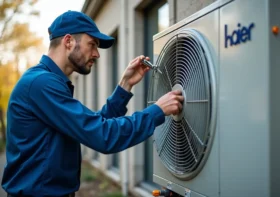
- Professional Inspections: This is particularly vital for aerobic systems. Unlike anaerobic systems, aerobic units have mechanical components like air pumps, motors, and electrical controls that require regular checks. Aerobic systems need annual inspections, which typically cost between $200 and $600. These inspections ensure all mechanical parts are functioning correctly, the aeration process is optimal, and any potential issues are identified and addressed before they escalate into major problems. Anaerobic systems also benefit from periodic professional assessments, especially during pumping.
The Consequences of Neglecting Your System
Ignoring septic system maintenance can lead to a cascade of expensive and unsanitary problems that far outweigh the cost of routine care:
- Drain Field Failure: This is one of the most common and costly consequences. When excessive solids or untreated effluent enter the drain field, they can clog the soil pores, causing the field to become saturated and fail. This results in standing water, foul odors, and the need for a complete and expensive drain field replacement.
- Sewage Backups: A failed drain field or a severely neglected septic tank can lead to wastewater backing up into your home’s plumbing, manifesting as slow drains, gurgling toilets, or even sewage overflowing into sinks, showers, or basements. This is a significant health hazard and requires immediate, costly remediation.
- Soil Compaction: Driving heavy vehicles or constructing structures over your drain field can compact the soil, reducing its ability to absorb and treat wastewater. This can effectively “suffocate” the drain field, leading to premature failure.
- Environmental Contamination: Perhaps the most severe consequence is environmental contamination. Untreated or poorly treated wastewater can leach into groundwater, contaminating drinking water sources, local streams, and rivers. This poses serious public health risks, spreading bacteria, viruses, and nutrients that can harm aquatic ecosystems and human health. Protecting our environment begins with responsible wastewater management at home.
Key Benefits of Aerobic Septic Systems Explained
The decision to install an aerobic septic system is often driven by a combination of necessity and a desire for superior wastewater treatment. While conventional anaerobic systems serve many homes well, aerobic systems offer distinct advantages that make them the ideal choice for challenging sites or for homeowners seeking the highest level of effluent quality. We’ve seen how these systems can transform difficult property conditions into viable living spaces, all while offering significant environmental benefits.
How Does Aerobic Technology Simplify Septic System Maintenance?
While aerobic systems do require annual professional inspections due to their mechanical components, their advanced treatment capabilities can simplify certain aspects of ongoing maintenance and reduce common problems associated with traditional systems:
- Rapid Waste Breakdown: As previously noted, aerobic bacteria break down organic matter 20 to 30 times faster than anaerobic bacteria. This efficiency means that waste is thoroughly treated within the tank, significantly reducing the amount of organic material that needs to be managed downstream.
- Reduced Sludge Buildup: The vigorous decomposition by aerobic bacteria results in far less non-biodegradable sludge accumulating in the primary treatment tank. This means that while pumping is still necessary, the volume of solids requiring removal can be less, and the material itself is typically more stabilized.
- Mechanical Reliability: Modern aerobic systems are designed with robust mechanical components, including air pumps and alarms. While these components require annual checks, they are built for continuous operation. Many systems include automated alerts that notify homeowners or service providers if there’s a power outage, pump malfunction, or other operational issue, allowing for proactive intervention rather than reactive crisis management. This early detection can prevent minor issues from escalating into expensive repairs.
- Cleaner Effluent: The high quality of treated effluent from an aerobic system means less strain on the dispersal field. This reduces the risk of drain field clogging and failure, which is a common and costly problem for anaerobic systems. The cleaner discharge inherently simplifies the maintenance burden on the soil itself.
Environmental Advantages and Groundwater Protection
One of the most compelling reasons to choose an aerobic septic system is its superior environmental performance. These systems are designed to produce effluent that is significantly cleaner than that from conventional anaerobic tanks, offering substantial benefits for both public health and ecological integrity:
- Pathogen Reduction: The multi-stage treatment and disinfection processes in aerobic systems are highly effective at reducing harmful bacteria, viruses, and other pathogens present in wastewater. This significantly lowers the risk of disease transmission through contaminated water.
- Cleaner Effluent Discharge: The treated water from an aerobic system is of such high quality that it can often be dispersed in ways not possible with anaerobic effluent. In many jurisdictions, this allows for surface irrigation or direct discharge into environmentally sensitive areas, provided it meets stringent local regulations. This high-quality discharge dramatically reduces the potential for groundwater contamination.
- Eco-Friendly Sanitation: By effectively treating wastewater on-site, aerobic systems minimize environmental impact. They prevent the release of untreated or partially treated sewage into the environment, protecting soil, groundwater, and surface water bodies from pollution. This makes them an environmentally responsible choice for properties, especially those located near lakes, rivers, or sensitive ecosystems.
- Watershed Safety: Reduced nutrient loads (like nitrogen and phosphorus) in the effluent help prevent eutrophication in nearby water bodies, which can lead to harmful algal blooms and oxygen depletion, threatening aquatic life. By producing cleaner water, aerobic systems play a vital role in maintaining the health of local watersheds.
- Suitability for Challenging Sites: Aerobic systems are often the only viable option for properties with challenging soil conditions (e.g., clay-heavy soil that doesn’t perk well), high water tables, or limited space. Because they produce a much cleaner effluent, they require a drain field that is 30-50% smaller than that needed for a conventional anaerobic system, making them ideal for small lots or properties with difficult terrain. This flexibility in site selection is a major advantage for many homeowners.
Frequently Asked Questions About Wastewater Management
We often receive questions from homeowners about the practical aspects of owning and maintaining an aerobic septic system. Here, we address some of the most common inquiries to provide clarity and help you manage your system effectively.
How long do aerobic septic systems typically last?
The lifespan of an aerobic septic system is a common concern for homeowners, representing a significant investment. With proper care and diligent maintenance, aerobic septic systems are designed for impressive durability. They can typically last 20 to 30 years or even more, often exceeding the 15-20 year average lifespan of traditional anaerobic systems.
This longevity is dependent on several factors:
- Component Durability: The tanks themselves are usually constructed from robust materials like concrete or fiberglass, built to withstand underground conditions for decades. However, the mechanical components—such as the air pump, effluent pump, and electrical controls—have their own lifespans. An air pump, for instance, might need replacement every 5-10 years, while effluent pumps could last 10-15 years. Regular inspections help monitor the condition of these parts.
- Proper Maintenance: This is the most critical factor. Adhering to the recommended annual inspection schedule and performing necessary repairs or replacements promptly ensures all parts are functioning optimally. Neglecting maintenance can drastically shorten the system’s life and lead to premature and costly failures.
- Structural Materials: The quality of the initial installation, including the tanks, piping, and electrical connections, plays a significant role. High-quality materials and professional installation contribute to long-term reliability.
- Household Habits: What goes down your drains affects the system. Avoiding harsh chemicals and non-biodegradable items helps maintain the bacterial balance and prevents physical damage or clogs, extending the system’s life.
Can you use standard cleaning chemicals with an aerobic system?
This is a crucial question, as the effectiveness of an aerobic system relies heavily on a thriving population of beneficial bacteria. Using standard, harsh cleaning chemicals can severely disrupt this delicate bacterial balance.
- Chemical Impact: Many household cleaning products, especially those containing bleach, antibacterial agents, or strong solvents, are detrimental to the aerobic bacteria. These chemicals can kill the microorganisms responsible for breaking down waste, effectively rendering your system ineffective. When the bacterial population is compromised, the system cannot treat wastewater properly, leading to poor effluent quality, odors, and potential drain field issues.
- Bacterial Balance: The aerobic chamber is a finely tuned ecosystem. Maintaining a healthy and diverse bacterial population is paramount for efficient waste decomposition.
- Septic-Safe Products: We strongly recommend using cleaning products specifically labeled as “septic-safe” or “biodegradable.” These products are formulated to be less harmful to beneficial bacteria. Opt for natural alternatives like vinegar, baking soda, and lemon juice whenever possible.
- Chlorine Tablets: It’s important to distinguish between general cleaning chemicals and the chlorine tablets sometimes used for disinfection in the final stage of an aerobic system. If your system includes a chlorinator, these specific tablets are designed to kill pathogens in the treated effluent after the biological treatment is complete, without harming the bacteria in the aeration tank. However, even with these, use only septic-specific tablets and follow manufacturer guidelines. Never use pool chlorine tablets, as they are too strong and can damage your system.
How often should an aerobic system be inspected?
Regular inspections are non-negotiable for aerobic septic systems. Due to their mechanical nature and the advanced treatment they provide, these systems require more frequent professional oversight than conventional anaerobic tanks.
- Inspection Frequency: Aerobic septic systems typically require annual inspections by a licensed professional. This annual check-up is mandated in many regions to ensure the system is operating correctly and meeting effluent quality standards. These inspections usually cost between $200 and $600.
- Mechanical Components: During an inspection, the technician will thoroughly check all mechanical components. This includes:
- Air Pump (Aerator): This is the heart of the system, continuously injecting oxygen. The inspector will check its function, air output, and overall condition. Aerobic air pumps draw 40 to 100 watts continuously, adding approximately $5 to $15 per month to electric bills, so ensuring it runs efficiently is key.
- Effluent Pump: If your system uses a pump to disperse treated water, its operation, floats, and electrical connections will be checked.
- Alarms: Most aerobic systems have alarms to signal malfunctions (e.g., high water level, air pump failure). The inspector will test these to ensure they are working.
- Electrical Connections: All wiring and electrical components will be inspected for safety and proper function.
- System Performance: The inspection also assesses the overall performance of the system, including the clarity of the effluent, the condition of the bacterial growth, and the sludge levels in all tanks. Any necessary adjustments or minor repairs can be made on the spot.
- Regulatory Compliance: Many local health departments require annual service contracts and inspections for aerobic systems to ensure they comply with environmental regulations and protect public health. Maintaining these records is crucial for homeowners.
Conclusion
In conclusion, understanding the aerobic septic system benefits explained reveals a sophisticated and environmentally responsible approach to wastewater management. From their enhanced efficiency in breaking down waste to their suitability for challenging property conditions, aerobic systems offer a superior solution for many homeowners. While they involve a higher initial investment and require diligent annual maintenance, the long-term advantages—including cleaner effluent, reduced environmental impact, and extended system lifespan—make them a worthwhile consideration.
By embracing proactive maintenance, including regular professional inspections and mindful household habits, we can ensure the reliable sanitation of our homes, protect our precious groundwater resources, and contribute to environmental stewardship for years to come.