Maximizing Comfort with Professional HVAC Installation and Maintenance
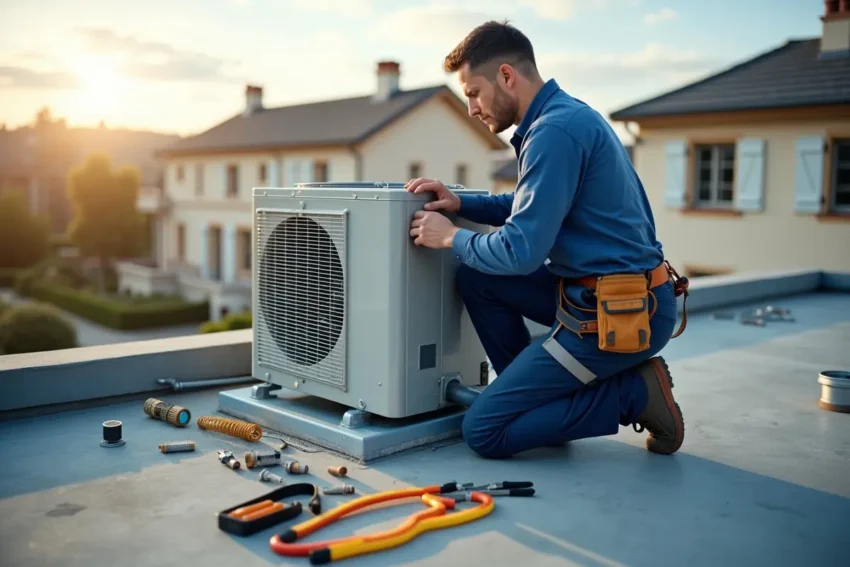
Understanding when to repair an existing HVAC system versus investing in a new installation is a pivotal decision for any homeowner. Most furnaces and air conditioners are designed to operate efficiently for 15 to 20 years. If your system is approaching or has exceeded this age range by July 2026, its efficiency has likely declined significantly, leading to higher energy consumption and increased repair frequency.
One of the clearest indicators that a replacement might be more cost-effective than ongoing repairs is the frequency of breakdowns. If your system has required professional attention more than twice in the past two years, or if a single repair estimate exceeds half the cost of a new unit, replacement is generally the more financially sound choice. Continuing to pour money into an aging, inefficient system can quickly become a false economy.
Beyond frequent repairs, several other signs suggest it’s time to consider an upgrade:
- Rising Utility Bills: Unexplained spikes in your monthly energy statements often point to an inefficient HVAC system struggling to maintain desired temperatures. A new high-efficiency installation can dramatically cut energy costs, sometimes by 20 to 40 percent.
- Uneven Temperatures: If certain rooms are consistently too hot or too cold, it indicates your system may not be effectively distributing conditioned air or is improperly sized for your home’s current needs.
- Strange Noises or Smells: Grinding, squealing, or banging sounds, along with persistent musty or burning odors, are red flags that components are failing or there’s a serious issue within the system.
- Yellow Burner Flame (for gas furnaces): This is a critical safety hazard. A healthy gas furnace flame should be blue. A yellow flame indicates incomplete combustion, which can produce dangerous carbon monoxide. If you observe this, shut down your furnace immediately and contact a professional.
When faced with these dilemmas, consult with experts who can provide comprehensive diagnostics and guidance on the best path forward. For a wide range of reliable heating and cooling solutions, seeking professional advice ensures you make an informed decision that prioritizes both comfort and long-term value.
Choosing the Right System: Heat Pumps, Furnaces, and Dual Fuel Units
Navigating the array of HVAC system types can be daunting, but understanding the differences between heat pumps, furnaces, and dual fuel systems is crucial for selecting the best fit for your home and climate. Each offers distinct advantages in terms of heating and cooling capabilities, efficiency, and operational costs.
- Furnaces: These are traditional heating systems, typically powered by natural gas, propane, or electricity. They generate heat by burning fuel or using electric coils and then distribute warm air through ductwork. Furnaces are highly effective at producing intense heat, making them a popular choice in colder climates where sustained, powerful heating is essential. Their efficiency is measured by AFUE (Annual Fuel Utilization Efficiency), with higher percentages indicating better energy performance.
- Heat Pumps: A versatile, all-in-one solution, heat pumps provide both heating and cooling from a single unit. In warmer months, they extract heat from inside your home and release it outdoors. In colder months, they reverse the process, drawing heat from the outside air (even in chilly temperatures) and transferring it indoors. Modern cold-climate heat pumps are remarkably efficient, especially in moderate climates, and their efficiency is rated by SEER2 (Seasonal Energy Efficiency Ratio 2) for cooling and HSPF2 (Heating Seasonal Performance Factor 2) for heating.
- Dual Fuel Systems: This innovative setup combines the best of both worlds: a high-efficiency heat pump for primary heating and cooling, paired with a gas furnace as a backup. The system intelligently switches between the heat pump and furnace based on outdoor temperatures, optimizing for efficiency. When temperatures are mild, the heat pump handles the load; when it drops below a certain threshold, the furnace kicks in for robust, cost-effective heating. This is often an ideal solution for regions with variable winter temperatures.
Upgrading to a high-efficiency system, whether it’s a heat pump or a high-AFUE furnace, can lead to significant energy savings. Many regions offer utility rebates and tax credits to incentivize these upgrades. For instance, in some areas, homeowners can access substantial rebates for upgrading to qualifying heat pump systems, making the investment even more attractive. Flexible financing options are also often available to help manage the upfront cost of a new installation.
Here’s a conceptual overview comparing these systems:
| Feature | Furnace | Heat Pump | Dual Fuel System |
| Primary Function | Heating | Heating & Cooling | Heating & Cooling (optimized) |
| Fuel Type | Natural Gas, Propane, Electric | Electricity | Electricity (Heat Pump) + Natural Gas/Propane (Furnace) |
| Efficiency Metric | AFUE (Heating) | SEER2 (Cooling), HSPF2 (Heating) | SEER2, HSPF2, AFUE (blended efficiency) |
| Ideal Climate | Very Cold Winters | Moderate to Mild Winters | Variable Winters, Moderate Summers |
| Operating Cost | Can be higher if fuel prices are high | Generally lower in moderate climates | Optimized for lower costs across all temperatures |
| Installation Cost | Moderate | Higher (due to dual function) | Highest (two primary units) |
| Rebate Eligibility | Limited (high-efficiency models only) | Often significant (especially cold-climate models) | Can qualify for heat pump rebates |
The performance and longevity of your new HVAC system are heavily reliant on the quality of its installation. It’s not enough to simply purchase a high-efficiency unit; it must be correctly sized and installed to deliver on its promises.
- System Sizing: One of the most critical steps is performing a custom load calculation. This goes beyond simply replacing your old unit with one of the same size. A professional technician will assess your home’s unique characteristics, including square footage, ceiling height, insulation levels, window efficiency, and sun exposure. An improperly sized system – whether too small or too large – will lead to inefficiency, discomfort, and premature wear.
- Ductwork Requirements: The existing ductwork must be inspected for leaks, proper sizing, and adequate airflow. Leaky or undersized ducts can negate the efficiency gains of a new system, leading to energy waste and uneven heating or cooling. Upgrades or repairs to ductwork are often a necessary part of a comprehensive installation.
- Long-Term Energy Savings: A properly installed, high-efficiency system can deliver the promised 20 to 40 percent reduction in energy costs. This translates into substantial savings over the system’s lifespan, often paying for itself within 5 to 7 years through reduced utility bills.
- Warranty Registration: Manufacturers’ warranties protect your investment, but they are often contingent on proper installation by a licensed professional and timely registration. A reputable HVAC contractor will ensure all installation procedures meet manufacturer specifications and assist with warranty registration, safeguarding your coverage for parts and labor.
The Step-by-Step Professional HVAC Installation Process
A professional HVAC installation is a meticulous process that goes far beyond simply swapping out old equipment for new. It’s an orchestrated series of steps designed to ensure optimal performance, safety, and compliance.
- Initial Assessment and Planning: Before any work begins, a detailed consultation takes place. This includes the custom load calculation discussed earlier, a thorough inspection of your existing system and ductwork, and a discussion of your specific comfort needs and budget. This planning phase ensures the right system is selected and all logistical considerations are addressed.
- Home Protection Protocols: On installation day, professional teams prioritize protecting your home. This typically involves wearing protective shoe covers to keep floors clean and laying down drop cloths in high-traffic areas and around the work zone. This “white-glove” approach minimizes disruption and mess.
- Removal of Old Equipment: The existing furnace, air conditioner, or heat pump is carefully disconnected and removed. Reputable contractors will ensure the old equipment is disposed of or recycled responsibly, adhering to environmental regulations.
- Configuring New Connections: This is the core of the installation. New units are precisely positioned, and all necessary connections are made. This includes:
- Ductwork: Connecting the new unit to the existing or new ductwork, ensuring airtight seals and optimal airflow.
- Electrical: Wiring the system to your home’s electrical panel, often requiring dedicated circuits. This is a critical step that must be performed by a qualified electrician to ensure safety and code compliance.
- Refrigerant Lines (for ACs and Heat Pumps): Installing and properly sealing new refrigerant lines, then evacuating the lines to remove moisture and air before charging with the correct amount of refrigerant.
- Gas Lines (for Furnaces): Connecting and testing gas lines for leaks, a procedure that demands specialized expertise and strict adherence to safety standards.
- Thermostat Installation and Integration: A new, often smart or programmable, thermostat is installed and configured to work seamlessly with your new HVAC system, allowing for precise temperature control and energy management.
- Municipal Permits and Technical Safety Inspections: A hallmark of a professional installation is the handling of all required permits. Most municipalities mandate permits for HVAC installations to ensure work meets local building codes and safety standards. A reputable contractor will pull the necessary permits and coordinate with inspectors for technical safety checks, which are crucial for gas and electrical connections. This prevents potential issues during home resale or insurance claims.
- System Testing and Calibration: Once installed, the entire system is rigorously tested to ensure all components are functioning correctly. Airflow is balanced, temperatures are checked, and all safety features are verified.
- Customer Walkthrough and Cleanup: Before leaving, technicians conduct a comprehensive walkthrough with you, explaining the new system’s operation, maintenance requirements, and how to use the thermostat. They also ensure the work area is thoroughly cleaned, and all debris is removed.
This meticulous approach applies whether you’re upgrading a residential system or managing the complex requirements of larger properties. For businesses and larger facilities, the scope of work can be even more intricate, often involving specialized considerations for ventilation, refrigeration, and zoned climate control. Professionals specializing in commercial HVAC services understand these unique demands and ensure installations meet rigorous industry standards.
Maximizing Efficiency and Air Quality Through Routine Maintenance
Once your HVAC system is professionally installed, its ongoing efficiency, reliability, and the quality of your indoor air depend heavily on consistent, routine maintenance. Preventative maintenance programs are designed to keep your system operating at peak performance, prevent unexpected breakdowns, and extend its lifespan.
We generally recommend bi-annual scheduling: a spring AC tune-up before the summer heat hits and a fall furnace calibration before winter’s chill. A comprehensive tune-up typically includes:
- Thorough Cleaning: Coils, fans, and drainage systems are cleaned to remove dirt, dust, and debris that can impede airflow and reduce efficiency.
- Electrical Component Checks: Technicians inspect wiring, connections, and test critical components like capacitors. A failed capacitor is a common reason an air conditioning unit suddenly stops cooling. They also check the electrical panel capacity to ensure it can safely support your system. Fraying wires can be identified and addressed, preventing potential safety hazards or system failures.
- Lubrication of Moving Parts: Proper lubrication reduces friction, minimizing wear and tear on motors and other components.
- Refrigerant Level Check (for ACs and Heat Pumps): Ensuring the refrigerant charge is correct is vital for efficient cooling and heating.
- Thermostat Calibration: Verifying that your thermostat accurately reads and controls temperatures.
- Safety Inspections: For gas furnaces, this includes checking the heat exchanger for cracks, inspecting the burner flame (ensuring it’s blue, not yellow), and verifying safety controls. Carbon monoxide leaks are a serious concern, and professional checks are paramount.
These proactive measures allow technicians to identify minor issues before they escalate into costly repairs, ensuring your system runs safely and efficiently throughout the year.
Improving Indoor Air Quality with HVAC Installation and Maintenance
Your HVAC system plays a crucial role in maintaining healthy indoor air quality (IAQ). Modern homes, designed for energy efficiency, are often tightly sealed, which can inadvertently trap pollutants indoors. Effective HVAC maintenance and strategic upgrades can significantly improve your home’s IAQ.
- Air Filtration: Upgrading your air filter is one of the simplest yet most effective steps. Filters are rated by MERV (Minimum Efficiency Reporting Value), with higher MERV ratings indicating better filtration of airborne particles like dust, pollen, pet dander, and mold spores. Regularly replacing filters (every 1-3 months, depending on usage and home conditions) is essential.
- Ventilation Systems: Proper ventilation introduces fresh outdoor air while expelling stale indoor air. Energy Recovery Ventilators (ERVs) and Heat Recovery Ventilators (HRVs) can accomplish this efficiently, especially in tightly sealed homes, without significant energy loss.
- Humidity Control: Maintaining optimal indoor humidity levels (typically between 30-50%) is key. Too much humidity can foster mold growth and attract dust mites, while too little can cause dry skin, respiratory irritation, and damage to wood furnishings. Humidifiers and dehumidifiers, integrated with your HVAC system, can precisely control these levels.
- Duct Cleaning: Over time, dust, allergens, and even mold can accumulate within your ductwork. Professional duct cleaning removes these contaminants, improving airflow and preventing them from being recirculated into your living spaces.
- Dryer Vent Safety: While often overlooked, a clogged dryer vent poses a significant fire hazard. Lint buildup restricts airflow, causing the dryer to overheat. Regular professional dryer vent cleaning is a critical safety and IAQ measure.
By addressing these aspects through diligent HVAC maintenance and potential upgrades, we can ensure your home’s air is not only comfortable but also clean and healthy for everyone.
Frequently Asked Questions About Home Comfort Systems
We understand that homeowners often have many questions about their HVAC systems. Here, we address some of the most common inquiries to help you make informed decisions.
How do I know if my system needs immediate professional maintenance?
Several warning signs indicate that your HVAC system requires prompt professional attention to prevent further damage or safety issues:
- Inconsistent Airflow: If you notice weak airflow from your vents or significant temperature differences between rooms, it could signal ductwork issues, a failing blower motor, or a clogged filter.
- Unusual Odors: A burning smell might indicate an electrical problem, while a musty odor could point to mold growth in your system or ductwork. A “rotten egg” smell in a gas furnace is a severe gas leak warning and requires immediate evacuation and professional response.
- Short-Cycling: If your system turns on and off frequently in short bursts, it’s “short-cycling.” This is inefficient, wastes energy, and puts undue stress on components, leading to premature failure.
- Sudden Utility Spikes: An unexpected and significant increase in your energy bills without a change in usage patterns is a strong indicator of declining system efficiency.
- Frayed Wiring Detection: During routine checks, technicians often spot frayed or damaged wiring, which is a fire hazard and can lead to system malfunction. Addressing this immediately is crucial for safety.
Ignoring these signs can lead to more extensive and costly repairs down the line, or even pose safety risks to your household.
How often should I schedule a professional HVAC tune-up and what is included?
For optimal performance and longevity, we recommend scheduling professional HVAC tune-ups twice a year: typically in the spring for your air conditioning system and in the fall for your heating system. This bi-annual approach ensures that each component is prepared for its peak season of operation.
A comprehensive tune-up generally includes:
- Safety Inspections: Checking gas lines, electrical connections, and all safety controls to prevent hazards. For furnaces, this includes a crucial check for carbon monoxide leaks and proper burner operation.
- System Cleaning: Cleaning condenser and evaporator coils (for ACs/heat pumps), blower components, and drainage systems to maintain efficiency and prevent blockages.
- Component Checks: Inspecting all moving parts, electrical components (capacitors, relays, wiring), and refrigerant levels (for ACs/heat pumps).
- Performance Calibration: Calibrating thermostats, adjusting airflow, and ensuring proper system operation pressures and temperatures.
- Filter Replacement: Advising on or replacing air filters to ensure optimal air quality and airflow.
These routine checks not only extend your system’s life but also help maintain its energy efficiency, saving you money on utility bills.
What factors affect the overall complexity of a new system installation?
The complexity and duration of a new HVAC system installation can vary significantly based on several factors unique to your home:
- Home Layout and Size: Larger homes or those with multiple zones require more extensive planning and potentially more complex ductwork modifications. The architectural design, including crawl spaces, attics, and basements, can impact accessibility and installation time.
- Insulation Levels: Homes with poor insulation may require higher capacity systems or additional insulation work to achieve desired comfort levels efficiently. This can influence system sizing and overall project scope.
- Existing Ductwork Condition: If your current ductwork is old, leaky, improperly sized, or non-existent (as in homes without central air), new duct fabrication or extensive repairs will add to the complexity and cost of installation. Installing ductless mini-split systems, for example, bypasses this, but involves different installation considerations.
- Electrical Panel Upgrades: Modern high-efficiency HVAC systems, especially heat pumps, may require more power than older systems. If your home’s electrical panel is outdated (e.g., 100 amps when 200 amps are needed), an electrical service upgrade might be necessary before the HVAC installation can proceed, adding a separate layer of complexity and cost.
- Permit Requirements: The specific permits required by your local municipality can vary. Some installations might only need a mechanical permit, while others, particularly those involving gas lines or significant electrical work, could require additional permits and inspections, influencing the project timeline.
Understanding these factors upfront helps ensure a smooth installation process and accurate project planning.
Conclusion
Maximizing your home’s comfort, ensuring healthy indoor air quality, and achieving significant energy savings are all within reach with professional HVAC installation and diligent maintenance. From making the crucial decision between repair and replacement to selecting the right system for your needs, every step contributes to the long-term reliability and efficiency of your home comfort systems.
By investing in expert installation, you safeguard against common pitfalls and ensure your system operates as intended, delivering on its promise of reduced energy costs and consistent comfort. Furthermore, proactive maintenance, including regular tune-ups and attention to indoor air quality components, is not merely a recommendation—it’s an essential strategy for extending your system’s lifespan and preventing unexpected breakdowns.
A well-maintained and professionally installed HVAC system is more than just equipment; it’s a foundational element of a comfortable, healthy, and energy-efficient home for years to come. Embrace professional expertise and proactive maintenance to enjoy year-round comfort and peace of mind.