AC Warning Signs Homeowners Should Track Before Summer Repairs Get Expensive
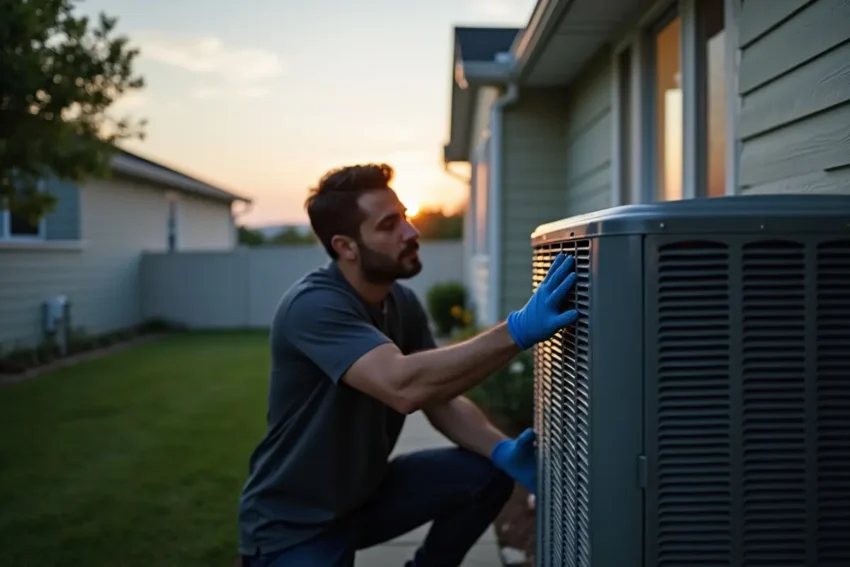
An air conditioner rarely goes from normal operation to complete failure without any change at all. Small shifts in sound, airflow, comfort, or run time can provide useful clues before a minor issue becomes more disruptive. Paying attention does not mean attempting a complicated repair. It means knowing when basic observation is enough and when comprehensive HVAC solutions are needed to evaluate a concern safely.
The goal is to compare your system with its usual behavior. One unusually hot afternoon or a brief startup noise may not indicate trouble. However, a change that repeats, worsens, or occurs alongside weak cooling, water, ice, or electrical issues deserves prompt attention. Notes taken before a service visit can also be valuable because they help determine whether the issue occurs only at certain times of day, after rainfall, during periods of high humidity, or whenever the thermostat calls for cooling.
Why Small Changes Matter
Cooling systems depend on airflow, electrical controls, drainage, refrigerant components, and mechanical parts working together. When one part is restricted or wearing out, the result may first appear as longer cycles, inconsistent temperatures, unfamiliar noise, or a noticeable change in humidity. Watching for patterns helps homeowners describe the problem more clearly while avoiding risky do-it-yourself work around electrical equipment or sealed components.
Early signs are often subtle because an AC system can continue operating even when it is no longer as efficient or consistent as before. For example, a system may cool the main living area while a distant room remains uncomfortable, or it may reach the thermostat setting but take longer to do so. Identifying the difference between an isolated event and a repeating pattern gives a technician better context and may prevent homeowners from overlooking a developing issue.
Early AC Warning Signs To Watch
- Rooms that no longer cool evenly.
- Cooling cycles seem longer during similar weather conditions.
- Weak airflow from one or more supply vents.
- New sounds, odors, or cabinet vibration.
- Water near the indoor unit or drain area.
- Ice on accessible refrigerant lines or equipment surfaces.
- Higher energy use without a clear change in weather, rates, or household routines.
These warning signs do not all carry the same urgency. A single room that feels warm after its vent was closed is different from a system that repeatedly freezes, trips a breaker, or produces a burning odor. The most useful approach is to consider the full picture: when the symptom started, whether it happens every cycle, whether it affects the entire home, and whether it is becoming more noticeable over time.
What New Sounds May Tell You
Focus less on identifying a sound perfectly and more on whether it is new, persistent, louder than before, or paired with poor performance. Mild clicks at startup, a steady hum, and airflow through vents can be normal. Rattling, buzzing, whistling, repeated clicking, hissing, banging, and grinding can each have multiple causes, so a sound alone is not a diagnosis.
A sound may also vary depending on when it occurs. Note whether it begins when cooling starts, continues throughout the cycle, appears only when the unit shuts down, or happens during windy conditions. A loose object near the outdoor unit can create a different kind of vibration than an internal mechanical concern, but neither should be diagnosed by opening equipment or touching components.
Location matters. A whistle at a vent may indicate airflow issues, while a vibration from the outdoor cabinet may be due to debris or a loose panel. Record a short audio or video clip from a safe distance, along with the time and thermostat setting. Do not remove access panels or reach into either unit to investigate moving or electrical parts.
Airflow And Comfort Clues
Uneven Temperatures
A bedroom that becomes warmer or more humid than it used to be may point to a simple obstruction, such as closed vents, furniture covering a return grille, or a dirty filter. Duct condition, insulation gaps, sun exposure, and room use can also affect comfort. Start by confirming that the registers and returns are open and unobstructed, then note whether the same room still has a problem.
It can be helpful to compare rooms at similar times rather than comparing a shaded downstairs room with a sunny upstairs room in the late afternoon. Appliances, electronics, cooking, showers, and the number of people in a room can all add heat or moisture. If the same area stays uncomfortable despite normal vent positions and ordinary household conditions, include that detail in your tracking notes.
Longer Run Times
Longer cycles are expected when outdoor temperatures and humidity climb. A concern is more likely when the system runs much longer than usual under comparable conditions, yet the home still does not reach the selected temperature. For several days, write down the outdoor conditions, thermostat setting, approximate run time, and whether cooling feels consistent throughout the home.
Frequent short cycles deserve attention as well. This describes a system that starts and stops repeatedly without running long enough to provide steady cooling. Because several different conditions can contribute to short cycling, avoid changing wiring, thermostat settings beyond normal use, or equipment controls in an effort to correct it. Document the behavior and arrange an evaluation if it persists.
What Energy Use Can Reveal
A higher electric bill can be a useful clue, but it is not proof that the air conditioner is failing. Heat waves, utility rate changes, more people at home, increased cooking, and thermostat adjustments can all affect usage. Compare similar billing periods when possible, and consider whether weather or household habits changed at the same time.
Look at trends rather than focusing on a single bill. If energy use rises during a period of similar temperatures and thermostat settings, with no major change in household activity, that information may be worth sharing during a maintenance or repair appointment. A sudden increase paired with weaker cooling, unusual sounds, or longer run times is generally more meaningful than an increase by itself.
Reducing unnecessary heat gain may also limit cooling demand. Closing blinds during strong afternoon sun, addressing obvious drafts around doors and windows, and checking filters regularly are practical starting points. These small adjustments to cooling habits can support comfort while you track whether the system’s viability changes.
Safe Home Checks
- Inspect the filter and replace it if it appears dirty or clogged.
- Make sure supply vents and return grilles are not blocked.
- Look around the indoor equipment for water or moisture.
- Clear visible leaves, grass, and loose debris from around the outdoor unit.
- Confirm that the thermostat is set to cooling mode and the intended temperature.
- Notice whether the outdoor fan starts and runs normally from a safe distance.
- Record the date, symptom, weather, and operating conditions.
When checking outdoor equipment, keep the area around it reasonably clear, and do not use tools on the cabinet or spray water into electrical areas. Indoors, check for wet flooring, staining, or a musty smell near the air handler or drain location. If water is present, do not assume it is harmless, especially if it is near electrical equipment, ceilings, walls, or finished flooring.
Do not remove electrical covers, touch capacitors, add refrigerant, or reach near fan blades. Those tasks involve hazards that are not appropriate for routine homeowner troubleshooting.
When To Stop Troubleshooting
Turn the system off and arrange professional evaluation if you notice a burning or melted-plastic smell, smoke, repeated breaker trips, heavy banging, grinding, sharp screeching, persistent hissing with poor cooling, recurring ice, indoor water leaks, or frequent short cycling. Any symptom involving electrical risk, severe vibration, or exposed moving parts should end the inspection immediately.
Do not repeatedly reset a tripped breaker or continue operating equipment that appears unsafe. If smoke, sparking, or an active electrical hazard is present, move away from the area and follow appropriate emergency procedures. For less immediate concerns, turning the thermostat off and preserving notes, photos, or recordings can help a qualified professional assess the problem without unnecessary restart attempts.
A Simple AC Tracking Plan
Weekly Checks During Heavy Use
- Notice changes in comfort between rooms.
- Listen for sounds that are new or worsening.
- Look for unusual odors, water, or visible ice.
- Review thermostat behavior and cooling schedules.
Weekly checks do not need to take long. A brief walk through the home while the system is running can be enough to notice a blocked return grille, a consistently warmer room, or a sound that was not present the week before.
Monthly Checks
- Check the filter and replace it as needed.
- Review energy use against comparable periods.
- Remove visible debris around the outdoor unit without opening it.
- Read your notes for symptoms that keep returning.
Keep records in a notebook, calendar, or phone note. Even short entries can be useful: “upst”irs warm at 6 p.m.,” “ra”t”e at startup,” or “wate” near drain after cooling cycle.” Clear observations are more useful than guesses about the cause.
Seasonal Checks
Before the hottest part of the season, consider a professional inspection and keep records of any measured concerns. Consistent thermostat use also makes changes easier to spot. Reviewing thermostat-setting guidance can help distinguish normal comfort preferences from performance changes that require closer attention.
Seasonal preparation is also a good time to make sure household members know where the thermostat is located and which symptoms should be reported right away. A shared understanding can reduce the chance that recurring water, ice, loud noise, or electrical problems go unnoticed until comfort is significantly affected.
Common Questions
Is Every New AC Sound A Serious Problem?
No. Some brief startup, shutdown, and airflow sounds are ordinary. Any noise that is loud, repeated, worsening, or accompanied by weak cooling should be documented and evaluated. A simple recording can be particularly helpful when the sound comes and goes before a technician arrives.
Can A Dirty Filter Cause More Than Weak Airflow?
Restricted airflow can affect comfort and make the system work harder to move air. Checking the filter is a sensible first step, but persistent problems can have other causes. Use the filter type and replacement guidance appropriate for the system rather than assuming every filter follows the same schedule.
Should Homeowners Turn Off A Noisy AC?
Yes, when severe noise occurs with burning odors, breaker problems, grinding, heavy vibration, smoke, or poor cooling. Avoid restarting the unit until the issue has been assessed. If the sound is soft and isolated, document when it occurs and watch for any related change in comfort or operation.
Final Takeaway
Familiar equipment is easier to monitor. A simple record of sounds, airflow, comfort, energy use, and visible changes can help homeowners recognize a developing issue earlier. Basic checks are useful, but qualified professionals should handle electrical, refrigerant, drainage, and serious mechanical concerns.