How Window Grid Patterns Shape a Home’s Style, Light, and Upkeep
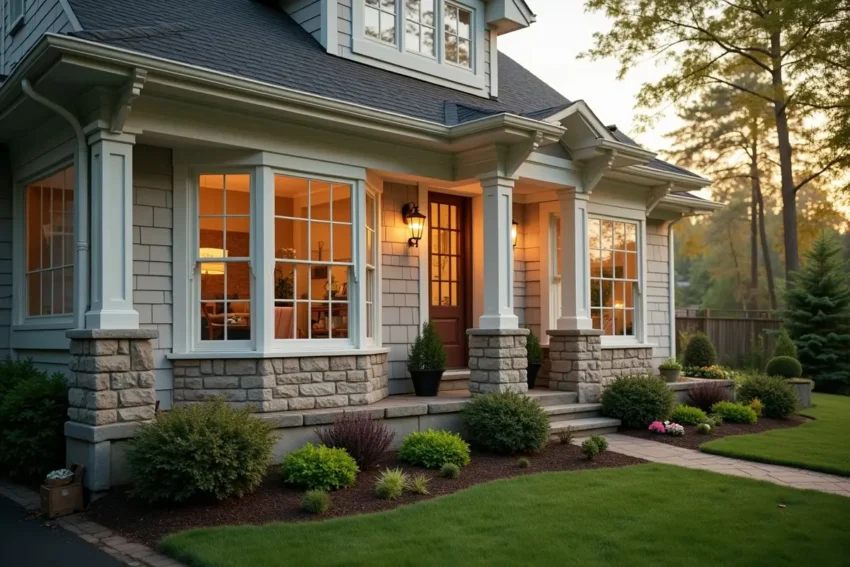
Window grids can make the same opening feel classic, relaxed, formal, or distinctly modern. Because they divide the visible glass into smaller sections, they influence how a home looks from the street and how a room feels from inside. Options such as grid between glass windows also show how a grid can deliver a divided-light appearance while leaving the glass surfaces comparatively smooth.
The best pattern is rarely just a matter of choosing what looks good in a sample. Window size, architectural style, exterior trim, room use, outdoor views, privacy needs, and cleaning routines all deserve consideration. A thoughtful layout helps grids feel like part of the home’s design rather than an added detail that competes with it.
Why Window Grids Still Matter
Historically, large windows were often assembled from smaller pieces of glass because producing broad panes was more difficult and costly. Modern manufacturing has changed that need, but grids still provide visual rhythm and a sense of craftsmanship. They can make a large facade feel more balanced, reinforce period details, or break up an expansive wall of glass.
Start With the Home’s Architectural Style
A grid should follow the visual language already established by the house. Colonial-style homes often suit even, repeated divisions. Craftsman designs commonly use simpler, lower glass with detail concentrated near the top. Farmhouse homes may use uncomplicated patterns, while Tudor-inspired exteriors can accommodate narrower divisions or diamond shapes. Modern homes frequently benefit from minimal lines or clear glass that preserves open views.
Common Window Grid Patterns to Compare
When comparing layouts with other window and door components, focus on how the pattern relates to the full opening, not just the grid itself. A design that looks balanced on a wide fixed window may appear crowded on a narrow double-hung unit.
Classic and Contemporary Layouts
- Colonial grids: Equal squares or rectangles create an orderly, traditional appearance that works well on many symmetrical facades.
- Prairie grids: Lines run around the perimeter, leaving a larger open field in the center for a less obstructed view.
- Craftsman grids: Horizontal or vertical divisions appear mainly in the upper sash or upper portion of the opening.
- Perimeter grids: A border-like layout defines the edge of the glass and can feel formal without filling the entire pane.
- Custom layouts: Arches, unusual proportions, and specialty windows may need a pattern tailored to their shape.
Terminology can be confusing because muntins traditionally separated individual panes of glass, while many current grids are decorative elements designed to resemble those historic divisions. The distinction matters when comparing appearance, cleaning needs, repair options, and the authenticity required for a restoration project.
Between-Glass, Surface-Applied, and Divided-Light Options
Grid placement affects appearance and maintenance. Between-glass grids sit inside an insulated glass unit, keeping interior and exterior faces smooth. Surface-applied grids attach to glass surfaces, creating stronger shadows. True divided-light windows have separate panes with dividing bars, offering a traditional look but more cleaning edges. Smooth glass is easier to wipe, especially in kitchens, bathrooms, and upper stories. Raised profiles and small panes can collect dust, pollen, and moisture around edges. Consider if both sides can be reached and if ladder access is needed before choosing.
How Grids Affect Natural Light and Views
Grids do not usually eliminate daylight, but they visually break up the opening through which light enters. More lines can add character and make a tall wall feel less plain, yet they may also draw attention away from a garden, skyline, or other valued view. Fewer divisions generally create a more open visual connection to the outdoors.
Review samples from both sides of the glass. A prominent grid may enhance curb appeal but feel distracting above a kitchen sink, beside a desk, or near a favorite reading spot. Room function should carry as much weight as exterior style.
Do Window Grids Affect Energy Performance?
Decorative pattern alone is not a reliable indicator of efficiency. Thermal performance is shaped more heavily by the frame, glazing, gas fills, and spacer system, as well as air leakage and installation quality. The frame materials, glazing, gas fills, and spacers should be evaluated together when comparing complete window assemblies.
Check labels and ratings separately from design decisions. A well-chosen grid can support the home’s style, but it should not replace a review of U-factor, solar heat gain, visible transmittance, air leakage, and climate-appropriate glazing.
Choosing a Pattern for Each Room
- Living rooms: Use a layout that complements major sightlines, furniture scale, and the home’s most visible elevation.
- Kitchens: Consider smooth, accessible surfaces where splatters and frequent cleaning are likely.
- Bathrooms: Balance decorative divisions with privacy glass, ventilation needs, and moisture exposure.
- Home offices: Favor patterns that do not interrupt a useful view or create visual distraction.
- Entry areas: Coordinate nearby windows, sidelights, and door glass so the composition feels intentional.
Keeping Multiple Windows Consistent
Consistency does not require every window to have identical divisions. Instead, nearby openings should share a recognizable relationship. Start by mapping each exterior wall, noting which windows are tall, wide, fixed, or operable. Select a main pattern for highly visible windows, then adapt it carefully where size or shape changes. Reviewing a full elevation before finalizing the layout can prevent mismatched proportions.
Final Checklist for a Confident Choice
- View the proposed pattern from indoors and outdoors.
- Compare several layouts on full-size renderings whenever possible.
- Match the grid to the siding, brick, trim, rooflines, and doors.
- Confirm cleaning access and realistic maintenance needs.
- Evaluate energy ratings independently from decorative details.
- Keep the most visible windows visually connected across each elevation.
Window grids can bring order, warmth, and architectural character to a home. The most successful choice respects the home’s style, preserves useful light and views, fits each room’s needs, and remains manageable to maintain over time.