Effective Indoor Air Quality Improvements for Your Home
We often focus on outdoor pollutants, yet the air inside our homes profoundly affects our health and daily comfort. Poor indoor air quality (IAQ) can contribute to allergy symptoms, respiratory concerns, and overall reduced well-being. Creating a healthy living space means actively managing airborne contaminants.
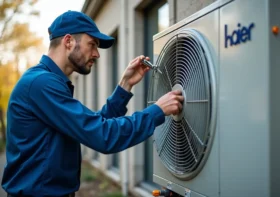
Modern HVAC systems, like high-efficiency heat pumps, are crucial for maintaining optimal IAQ through effective filtration and humidity regulation. When these vital systems face unexpected issues, especially in areas like New Albany, IN, timely resolution is paramount. Ensuring continuous functionality, even if it requires a 24-hour heat pump installation, directly supports a home’s long-term air quality and comfort.
To delve deeper into creating an optimal home environment, explore our or consult with professionals to tailor solutions for your specific needs.
Maintaining excellent indoor air quality (IAQ) is a continuous effort that involves understanding and mitigating various airborne contaminants. From microscopic dust particles to invisible volatile organic compounds (VOCs), our homes can harbor a complex mix of pollutants.
Effective strategies for improving IAQ often center around robust air filtration, diligent source control, and ensuring adequate ventilation. By addressing these core areas, we can significantly enhance the environmental health of our living spaces. The goal is to create an environment where the air we breathe supports our well-being, rather than detracting from it.
Implementing Immediate Indoor Air Quality Improvements
While some IAQ improvements require professional intervention, many immediate and impactful changes can be made by homeowners. These steps focus on reducing common household allergens and irritants at their source. Dust mitigation is a primary concern, as dust carries a host of particles, including skin flakes, fabric fibers, and outdoor pollutants tracked inside. Regular and thorough surface cleaning, using damp cloths to capture dust rather than just redistributing it, makes a significant difference.
Pet dander is another prevalent allergen that can accumulate rapidly. Frequent vacuuming with a HEPA-filter-equipped vacuum cleaner and regular washing of pet bedding can greatly reduce its presence. Allergen control extends to bedding and upholstery; using allergen-proof covers for mattresses and pillows, and washing linens in hot water weekly, helps minimize dust mites.
Beyond cleaning, improving air circulation through opening windows when outdoor air quality permits, or using ceiling fans, can help disperse stale air and reduce pollutant concentrations. These seemingly simple actions form the foundation of a healthier indoor environment, providing immediate relief and contributing to better overall IAQ.
Long-Term Indoor Air Quality Improvements Through Targeted Filtration
For lasting and comprehensive indoor air quality improvements, targeted filtration within your HVAC system is indispensable. Standard furnace filters primarily protect the HVAC equipment itself, but upgrading to higher-efficiency filters can turn your system into a powerful air purifier. Filters are rated by their Minimum Efficiency Reporting Value (MERV), with higher MERV ratings indicating greater filtration capability. For instance, a MERV 8 filter is good for basic filtration, but a MERV 11 or 13 filter can capture smaller particles like pet dander, pollen, mold spores, and even some bacteria.
Beyond standard pleated filters, whole-house media cleaners offer even more advanced pollutant capture. These systems are typically installed within the HVAC ductwork and provide a much larger surface area for filtration, allowing them to capture a wider range of microscopic particles without significantly impeding airflow. Such high-efficiency filters and media cleaners not only improve air quality by removing contaminants but also contribute to system longevity by keeping coils and other components cleaner.
Regularly replacing or cleaning these filters according to manufacturer recommendations is crucial to maintaining their effectiveness and ensuring optimal system performance. Investing in targeted filtration is a proactive step towards a continuously cleaner and healthier home environment, protecting against a myriad of airborne pollutants.
Whole-House HVAC Upgrades and Humidity Management
Modern HVAC systems, particularly heat pumps, play a pivotal role in maintaining exceptional indoor air quality beyond just heating and cooling. Their advanced capabilities extend to crucial aspects like humidity reduction and overall home dehumidification, which are vital for comfort and health.
High-efficiency heat pumps are designed to manage indoor moisture levels more effectively than traditional air conditioning units, contributing to a drier, more comfortable indoor environment, especially during humid seasons. This not only enhances comfort but also actively prevents conditions conducive to mold and mildew growth.
When considering the overall health of your home’s air, a well-functioning heat pump system is a cornerstone. Whether you’re looking to upgrade an aging system or require an urgent replacement, ensuring your HVAC system is in top condition is paramount.
For those in New Albany, IN, and surrounding areas, understanding the full spectrum of available options and services can be invaluable. If you’re facing an unexpected system failure and need immediate assistance, exploring resources on comprehensive hvac services, including emergency installations, can guide you through the process of restoring your home’s comfort and air quality swiftly.
Managing Moisture and Dehumidification
Excessive indoor humidity is a common problem that can lead to significant IAQ issues. High relative humidity creates an ideal breeding ground for mold, mildew, and dust mites, all of which are common allergens and irritants. These biological contaminants can trigger respiratory problems, allergic reactions, and even structural damage to your home over time. Effective moisture management is therefore critical for mold prevention and maintaining a healthy indoor environment.
Heat pumps excel in their ability to manage relative humidity. During cooling cycles, they naturally remove moisture from the air, acting as efficient dehumidifiers. Some advanced heat pump systems even feature dedicated dehumidification modes that can operate independently of the cooling function, allowing for precise control over indoor moisture levels.
Maintaining relative humidity between 30% and 50% is generally recommended for optimal comfort and health. This balance helps prevent the growth of harmful biological agents while also making your home feel cooler in summer months, potentially allowing you to set your thermostat a few degrees higher without sacrificing comfort. Understanding and utilizing your heat pump’s dehumidification capabilities is a key strategy for seasonal moisture balance and enhancing overall indoor air quality.
Air Purification and UV Disinfection
Beyond filtration and humidity control, advanced air purification and UV disinfection technologies offer an additional layer of protection against airborne contaminants. Ultraviolet (UV) purifiers, specifically UV-C lights, are increasingly being integrated into HVAC systems to target bioaerosols such as viruses, bacteria, and mold spores. These lights are typically installed within the ductwork or near the evaporator coil, where they can neutralize microorganisms as air passes through the system.
Duct-mounted purifiers utilizing UV-C technology are particularly effective because they treat the air within the system itself, preventing the recirculation of pathogens throughout the home. This pathogen reduction capability is a significant benefit, especially in homes where occupants may have compromised immune systems or during flu seasons.
Unlike filters that capture particles, UV purifiers actively destroy the DNA of microorganisms, rendering them harmless. When combined with high-efficiency filtration and proper humidity control, UV disinfection creates a comprehensive strategy for maintaining exceptionally clean and healthy indoor air, safeguarding against a wide array of airborne threats.
System Maintenance and Smart Ventilation Strategies
The effectiveness of any indoor air quality improvement strategy hinges significantly on consistent system maintenance and intelligent ventilation. An HVAC system, including a heat pump, is only as efficient and clean as its least maintained component. Preventive maintenance, typically involving bi-annual tune-ups, ensures that all parts are functioning optimally, from the coils to the ductwork. This proactive approach not only extends the lifespan of your equipment but also directly impacts the quality of the air circulating through your home.
Regular maintenance also includes critical tasks like duct cleaning, which removes accumulated dust, debris, and potential allergens from the air distribution system. Over time, ducts can become repositories for pet dander, pollen, and even mold, which are then recirculated throughout the home.
Optimizing airflow through clean ducts and well-maintained components ensures that your filtration systems work efficiently and that fresh air is distributed effectively. Combining diligent maintenance with smart ventilation strategies creates a robust defense against indoor air pollutants, promoting a consistently healthy and comfortable living environment.
The Role of Professional System Inspections
While homeowners can perform basic tasks like filter replacement, professional system inspections are invaluable for comprehensive maintenance and ensuring optimal IAQ. Certified HVAC technicians possess the expertise to identify and address issues that might go unnoticed by the average homeowner. During an inspection, professionals will meticulously check and clean components such as evaporator and condenser coils, which can accumulate dirt and grime, hindering efficiency and becoming breeding grounds for mold.
They will also assess duct airflow, ensuring there are no leaks or obstructions that could compromise the distribution of conditioned and filtered air. Proper airflow is essential for the effective operation of your heat pump and any installed air purification systems.
Technicians can also advise on the appropriate filter replacement schedule and MERV rating for your specific needs, considering factors like household size, pets, and allergy concerns. Regular professional oversight contributes significantly to overall system performance, energy efficiency, and, most importantly, the consistent delivery of clean, healthy air throughout your home.
Air Monitoring and Smart Thermostats
In today’s technologically advanced homes, air monitoring and smart thermostats offer unprecedented control and insight into indoor air quality. IAQ sensors can detect a range of pollutants, including particulate matter, volatile organic compounds (VOCs), carbon dioxide, and humidity levels. These sensors provide real-time data, allowing homeowners to understand the composition of their indoor air and identify potential issues.
Smart thermostats, often integrated with these IAQ sensors, can then facilitate automated ventilation strategies. For example, if CO2 levels rise, indicating stale air, the system can automatically trigger fresh air intake or increase fan speed. Some advanced systems incorporate energy recovery ventilators (ERVs) or heat recovery ventilators (HRVs) for balanced ventilation, bringing in fresh outdoor air while recovering energy from the outgoing stale air, thus maintaining climate control without significant energy loss.
This intelligent integration of monitoring and control ensures that your home’s environment is not only comfortable but also continuously optimized for health and energy efficiency. The ability to monitor and react to changes in air quality proactively empowers homeowners to maintain superior indoor environments.
Frequently Asked Questions About Indoor Air Quality
Homeowners often have many questions about how to best manage their indoor air quality. Here, we address some of the most common inquiries to provide clarity and actionable advice for maintaining a healthier home environment.
What are the most effective strategies for maintaining clean indoor air?
Maintaining clean indoor air is a multifaceted endeavor that combines several key strategies. Firstly, whole-house filtration is paramount. Utilizing high-efficiency filters (MERV 11-13) in your HVAC system, or even considering a whole-house media air cleaner, can capture a significant percentage of airborne particles, allergens, and pollutants. Secondly, routine maintenance of your HVAC system, including regular filter changes and professional tune-ups, ensures that your system operates efficiently and doesn’t become a source of contamination itself.
Thirdly, humidity regulation is crucial. Keeping indoor relative humidity between 30% and 50% helps prevent the growth of mold, mildew, and dust mites. Lastly, balanced ventilation, whether through opening windows when outdoor air quality is good, or utilizing mechanical ventilation systems like ERVs or HRVs, helps dilute indoor pollutants and bring in fresh air. Combining these approaches offers the most comprehensive defense against poor indoor air quality.
How often should air filters be replaced?
The frequency of air filter replacement depends on several factors, including the type of filter, household conditions, and the MERV performance rating. As a general guideline, standard 1-inch pleated filters (MERV 8-10) should typically be replaced every 1 to 3 months. Homes with pets, allergy sufferers, or higher levels of dust might need more frequent changes, perhaps monthly.
High-efficiency filters or media air cleaners (MERV 11-16), which are thicker and designed for longer use, might only need to be replaced every 6 to 12 months. It’s essential to check your filter regularly, at least once a month, to see if it appears dirty. A clogged filter restricts airflow, reduces system efficiency, and compromises its ability to protect your indoor air quality. Following the manufacturer’s recommendations for your specific filter type and paying attention to your home’s unique needs will ensure optimal airflow protection and air purification.
Can heat pump systems help regulate indoor humidity?
Absolutely. Heat pumps are highly effective at regulating indoor humidity, making them a dual-purpose system for both temperature control and moisture balance. During their cooling cycles, heat pumps operate much like traditional air conditioners, removing excess moisture from the air as part of the refrigeration process. This dehumidification mode is a significant benefit, especially in humid climates or during the warmer summer months.
Many modern, high-efficiency heat pumps offer advanced dehumidification capabilities, sometimes even featuring a dedicated mode that can run independently of the cooling function. This allows homeowners to maintain comfortable humidity levels without necessarily overcooling their homes. By effectively managing moisture, heat pumps play a crucial role in preventing the growth of mold, mildew, and dust mites, which thrive in humid environments. This not only contributes to better indoor air quality but also enhances overall comfort and can even lead to energy savings by making the air feel cooler at higher thermostat settings.
Conclusion
Creating and maintaining a healthy indoor environment is a continuous journey that significantly impacts our well-being and comfort. From implementing immediate dust mitigation strategies to investing in whole-house filtration and advanced air purification, every step contributes to superior indoor air quality. Modern HVAC systems, particularly high-efficiency heat pumps, are central to this effort, offering not just heating and cooling but also crucial humidity regulation and air circulation.
Proactive maintenance, including regular professional inspections and timely filter replacements, ensures that these systems operate at their peak, effectively managing airborne contaminants. Furthermore, integrating smart home technologies like IAQ sensors and smart thermostats provides unprecedented control and insight, allowing for automated and responsive adjustments to your home’s environment. By embracing these strategies, we can ensure long-term air quality, fostering a home wellness sanctuary where the air we breathe supports a healthier, more comfortable life.