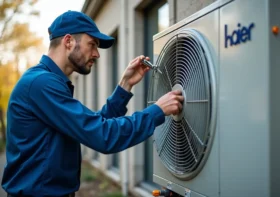
Transforming the Home Services Experience Through Technology
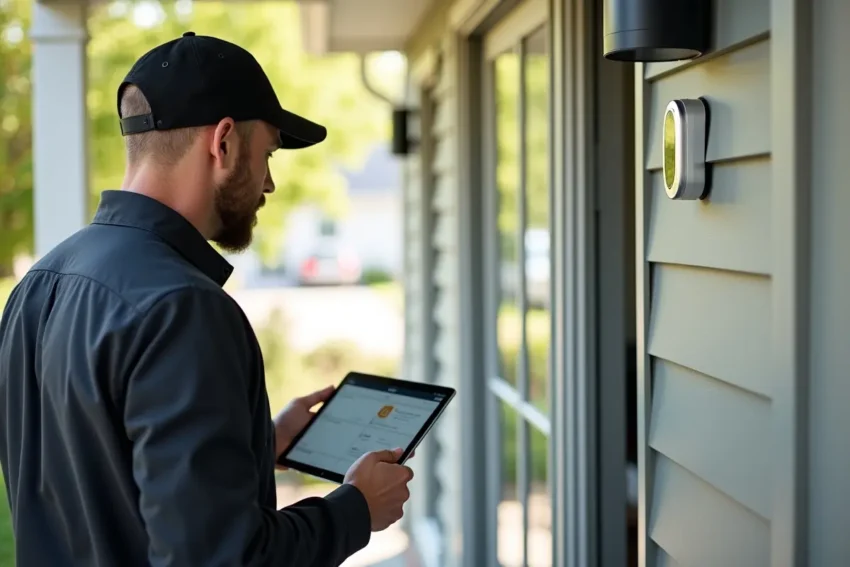
In today’s rapidly evolving world, our homes are becoming smarter, more connected hubs. We constantly seek ways to improve comfort, efficiency, and ultimately, the long-term value of our most significant asset. Many homeowners consider large-scale upgrades, but understanding the true financial impact can be complex. This is where the concept of AC Replacement Return On Investment becomes critical.
We are moving beyond simple repairs to strategically leveraging technology for optimal home performance and significant financial gains. This guide will explore how advancements in home services technology are transforming how we manage, maintain, and upgrade our essential home systems, ensuring every investment is a smart one.
For a broader understanding of home service benefits, explore our complete guide on Home Services Technology and Its Impact. Ready to discuss your next home upgrade? Contact us today.
The landscape of home services is undergoing a profound transformation, driven by the rapid adoption of smart home technology and the Internet of Things (IoT). What once involved reactive repairs now increasingly embraces proactive management and predictive maintenance. This shift is not just about convenience; it’s about optimizing the performance and longevity of our homes, leading to tangible returns on investment.
Smart home devices, from thermostats to leak detectors, are no longer isolated gadgets. They form interconnected ecosystems that provide a wealth of data, enabling homeowners and service providers alike to make more informed decisions. This digital transformation extends to every facet of home maintenance, from automating routine tasks to revolutionizing how service dispatch operates. We are witnessing the rise of systems that can anticipate issues before they become critical failures, reducing emergency costs and extending the lifespan of crucial home components.
How Home Services Technology Enhances Diagnostics
At the heart of this evolution is the ability of technology to enhance diagnostics. Modern HVAC systems, for instance, are equipped with sophisticated diagnostic sensors that continuously monitor performance parameters. These sensors collect system telemetry – data on temperatures, pressures, energy consumption, and more – which can be remotely accessed and analyzed.
Remote monitoring allows technicians to assess the health of a system without an immediate on-site visit. This capability means potential issues can be identified early, often before the homeowner even notices a problem. For an AC system, this could mean detecting a refrigerant leak or an impending compressor failure.
Early detection enables scheduled, less costly repairs, preventing the need for emergency services and potentially delaying a full AC replacement. This proactive approach significantly impacts the overall AC Replacement Return On Investment by minimizing unexpected expenses and maximizing system efficiency throughout its lifespan.
Streamlining Communication and Scheduling
Beyond diagnostics, technology has dramatically improved the communication and scheduling aspects of home services. Gone are the days of endless phone tag and uncertain arrival windows. Today, real-time tracking allows homeowners to monitor the location of their service technician, providing precise arrival estimates and reducing wasted time.
Automated booking systems offer the convenience of scheduling appointments online at any time, day or night, fitting seamlessly into busy modern lifestyles. Instant messaging features within service apps or platforms enable direct communication with technicians or customer service, allowing for quick clarifications, updates, or even remote troubleshooting. This level of transparency and efficiency builds trust and improves the overall customer experience, making home maintenance less of a chore and more of a streamlined process.
Maximizing Efficiency and Value in Home Climate Systems
When we talk about AC replacement, the conversation inevitably turns to maximizing efficiency and value. This is where home services technology truly shines, transforming a necessary expense into a strategic investment with significant AC Replacement Return On Investment. Replacing an outdated AC system with a modern, high-efficiency unit is not merely about comfort; it’s about enhancing home value, reducing operational costs, and improving marketability.
Real estate experts consistently highlight that a new HVAC system can increase home value, often by 5% to 7%, and in some competitive markets, even up to 10%. This translates to a substantial boost to a home’s sale price, potentially adding thousands of dollars. The typical ROI for an AC or full HVAC replacement can range from 30% to 75%, with heat pumps showing particularly strong returns. For a deeper dive into the financial benefits, exploring resources focused on Home services technology AC ROI can provide invaluable context.
The impact of efficiency ratings – such as SEER (Seasonal Energy Efficiency Ratio), SEER2 (the updated standard for 2026), AFUE (Annual Fuel Utilization Efficiency), and HSPF (Heating Seasonal Performance Factor) – on energy savings and ROI is profound.
Modern systems, especially those meeting or exceeding 2026 SEER2 standards, can deliver a 20% to 40% drop in cooling and heating costs. For instance, upgrading a furnace from 80% to 96% AFUE can cut heating bills by 16–20%, potentially saving hundreds of dollars annually, with a payback period often between 5 to 12 years. High-efficiency HVAC systems might have a higher upfront cost, but their ability to cut energy bills by 15–28% makes them a compelling long-term investment.
Several factors influence the value added by a new AC system. The age and condition of the old unit are critical; replacing a unit over 10-15 years old that frequently requires repairs offers the most significant gains. Climate also plays a substantial role; homes in regions with extreme temperatures or long cooling/heating seasons will see faster payback periods due to higher energy consumption. Market expectations are also key; in many areas, central air conditioning is now considered a standard expectation, and an outdated system can be a red flag for buyers, leading to renegotiations or slower sales.
As of July 2026, the cost for a new central AC or full HVAC system replacement can vary significantly based on system type, efficiency, and regional labor rates. While specific pricing is variable, typical ranges for central AC replacement often fall between $7,500 and $15,000, with full HVAC systems potentially higher. However, these costs can be offset by various rebates, tax credits, and incentives. The federal Inflation Reduction Act (IRA) offered significant credits, and while some specific credits might have expired or changed by 2026, many utility programs and local incentives remain available, helping to reduce the net cost and shorten the payback period.
The decision to replace versus repair often hinges on financial sense. If an AC unit is over 10-15 years old, energy bills are noticeably increasing, or repairs are frequent and costly (e.g., exceeding 30-40% of a new system’s value), replacement often makes more financial sense. Long-term energy savings, reduced maintenance costs on a newer system, and the ability to sell a home faster and closer to the asking price all factor into a robust ROI calculation.
Mistakes to avoid include overlooking the value of energy efficiency, underestimating future energy cost increases, and failing to factor in available incentives. Climate and region profoundly affect payback periods, with hotter or colder climates generally seeing faster returns due to higher energy usage.
The Role of Smart Controls in Home Services Technology
Smart controls are integral to maximizing the efficiency and comfort delivered by modern HVAC systems. Beyond simple programmable thermostats, advanced smart controls offer features like zoning systems, which allow different areas of a home to be heated or cooled independently. This eliminates energy waste in unoccupied rooms and ensures optimal comfort where it’s needed most.
Variable-speed technology in AC units and furnaces further enhances efficiency by allowing the system to operate at various capacities, rather than just “on” or “off.” This enables more precise temperature control, better dehumidification, and quieter operation, all while consuming less energy.
Automated scheduling, often integrated with smart home platforms, learns homeowner preferences and adjusts climate settings automatically, optimizing energy use without conscious effort. These technologies not only contribute to immediate energy savings but also appeal to potential buyers, further boosting the AC Replacement Return On Investment.
Long-Term Performance and System Longevity
Investing in a new AC system is a long-term commitment, and home services technology plays a crucial role in ensuring its sustained performance and longevity. Preventative maintenance, often facilitated by smart system diagnostics and automated scheduling reminders, is key. Regular professional tune-ups, filter changes, and coil cleaning prevent minor issues from escalating into major repairs, maintaining efficiency and extending the system’s lifespan.
Proper system matching, ensuring that the outdoor condensing unit and indoor evaporator coil are designed to work together, is critical for optimal performance and warranty validity. Technology aids in this by providing precise load calculations (like Manual J) to correctly size the system for the home, preventing inefficient oversized or undersized installations.
Furthermore, advancements in air filtration, often integrated with smart HVAC systems, improve indoor air quality, a growing concern for homeowners and a valuable feature for resale. All these factors contribute to a greater overall AC Replacement Return On Investment by minimizing future costs and maximizing the system’s operational life.
Protecting Essential Home Systems with Modern Solutions
Beyond climate control, home services technology extends its protective umbrella to all essential home systems. Home protection plans and subscription services are evolving to offer comprehensive coverage for appliances, electrical systems, and plumbing infrastructure. This modern approach moves away from fragmented, reactive repairs towards integrated, proactive maintenance and rapid response.
These plans provide homeowners with peace of mind, knowing that a single point of contact can address a wide range of potential issues. From a malfunctioning refrigerator to a flickering light or a leaky pipe, comprehensive coverage ensures that expert help is just a call or click away. This holistic protection minimizes the financial burden and stress associated with unexpected breakdowns, safeguarding the entire home investment.
Simplifying Maintenance Through Subscription Models
Subscription models are revolutionizing how homeowners approach maintenance. Instead of waiting for a problem to arise, these plans offer predictable upkeep schedules, often including annual inspections, tune-ups, and preventative checks for various home systems. This proactive maintenance helps identify potential issues early, reducing the likelihood of costly emergency repairs.
The convenience of vetted technicians, pre-scheduled appointments, and hassle-free scheduling makes these models particularly appealing. Homeowners no longer need to research and vet individual contractors for every service need; the subscription plan provides access to a network of trusted professionals. This simplification of maintenance frees up homeowner time and mental energy, ensuring that essential systems are always in top condition without the associated stress.
24/7 Support and Rapid Dispatch Technology
Emergencies don’t adhere to business hours, and modern home services technology is designed to address this reality. Many service providers now offer 24/7 support, leveraging digital service requests and sophisticated dispatch algorithms to ensure rapid response. When a pipe bursts in the middle of the night or an electrical panel trips unexpectedly, homeowners can initiate a service request through an app or online portal.
GPS tracking and real-time updates keep homeowners informed about their technician’s estimated arrival, providing transparency and reducing anxiety during stressful situations. This blend of constant availability and technological efficiency ensures that critical issues are addressed swiftly, minimizing damage and restoring comfort and safety to the home as quickly as possible.
Frequently Asked Questions About Home Services Technology
Home services technology is rapidly changing how we interact with our homes and service providers. Here, we address some common questions about its benefits and applications.
How does home services technology improve response times for urgent repairs?
Home services technology significantly improves response times for urgent repairs through several integrated features. Advanced dispatch algorithms analyze technician availability, location, and skill sets to assign the most appropriate professional to an emergency call.
GPS tracking provides real-time visibility into technician movements, allowing dispatchers to reroute or prioritize based on urgency and proximity. Furthermore, instant communication tools, such as in-app messaging or direct technician-to-customer communication, enable quick information exchange, ensuring technicians arrive prepared and homeowners are kept informed every step of the way. This streamlined process minimizes delays and ensures faster resolution of critical issues.
Can smart home technology help prevent major plumbing or electrical issues?
Absolutely. Smart home technology is increasingly designed for proactive problem prevention. For plumbing, leak detection sensors can be placed near water heaters, sinks, or in basements to identify even small leaks early, sending immediate alerts to homeowners’ smartphones.
Some advanced systems even integrate with smart water valves that can automatically shut off the main water supply when a significant leak is detected, preventing catastrophic water damage. For electrical systems, smart monitoring sensors can track energy usage patterns and detect anomalies that might indicate faulty wiring, overloaded circuits, or impending component failures, providing warnings before a major electrical issue or fire hazard develops.
What are the benefits of managing home maintenance through a single digital platform?
Managing home maintenance through a single digital platform offers numerous benefits. Firstly, it centralizes all records, including service history, warranties, and equipment specifications, making them easily accessible when needed. Secondly, automated reminders for routine maintenance tasks, such as filter changes or annual HVAC tune-ups, ensure that critical upkeep is never missed.
Lastly, and perhaps most importantly, it simplifies service requests. Instead of searching for contact information or repeating details to different providers, a single platform allows homeowners to schedule services, communicate with technicians, and track progress seamlessly, streamlining the entire home maintenance process and enhancing the overall homeowner experience.
Conclusion
The integration of technology into home services is fundamentally transforming how we care for our most valuable asset. From optimizing AC Replacement Return On Investment through high-efficiency systems and smart controls to safeguarding against unexpected emergencies with proactive monitoring and rapid dispatch, technology empowers homeowners with unprecedented control and peace of mind.
We are moving towards a future where homes are not just structures, but intelligent, self-aware ecosystems that contribute to our comfort, health, and financial well-being. Embracing these technological advancements is not merely an upgrade; it’s an investment in the proactive care and enduring value of our homes, shaping the future of homeownership.