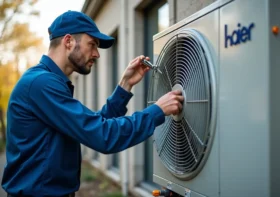
The Importance of Reliable HVAC Maintenance and Eco-Friendly Climate Control
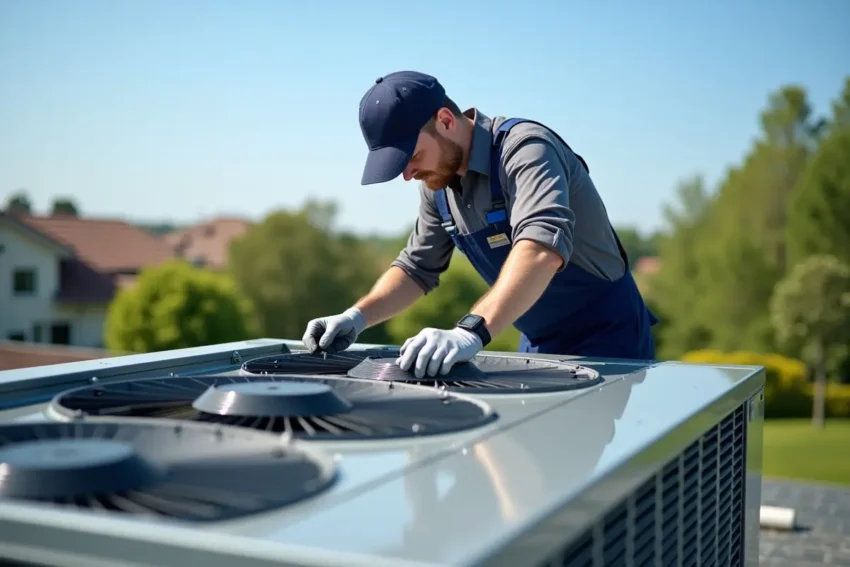
Maintaining our HVAC systems goes far beyond just ensuring comfort; it’s a fundamental aspect of responsible home and business management. At its heart, HVAC maintenance is the routine inspection, cleaning, and servicing of heating, ventilation, and air conditioning equipment to ensure it operates efficiently, safely, and reliably. For homeowners, this means consistent indoor temperatures and predictable utility bills. For businesses, it translates to a comfortable environment for employees and customers, reduced operational costs, and the protection of valuable assets. Neglecting these systems can lead to a cascade of problems, from inconvenient breakdowns to significant financial outlays and a larger environmental footprint.
A well-maintained system is a cornerstone of sustainability. It directly influences energy consumption, which in turn affects our environmental impact. By optimizing airflow, ensuring proper refrigerant charge, and addressing component wear, we can significantly extend the system’s lifespan and reduce the need for premature replacements. This proactive approach not only saves money but also minimizes waste and the energy required for manufacturing new units. For those seeking comprehensive insights into optimizing their climate control systems, exploring resources on Expert HVAC maintenance can provide valuable guidance.
Why Preventive Care Outperforms Reactive Repairs
The choice between preventive maintenance and reactive repairs is stark. Reactive maintenance means waiting for a system to fail before addressing it, often resulting in unplanned downtime, discomfort, and emergency service calls. These urgent repairs are typically more expensive, with costs for emergency service often five times higher than scheduled preventive maintenance. Furthermore, a system that frequently breaks down experiences accelerated equipment degradation, leading to a shorter overall lifespan. Industry data indicates that 75% of HVAC service calls could be prevented with regular maintenance.
Preventive care, on the other hand, is a scheduled, proactive approach designed to identify and rectify minor issues before they escalate into major problems. This includes tasks like tightening electrical connections, lubricating moving parts, and checking refrigerant levels. By catching these issues early, we prevent costly compressor failures, which can range from $3,000 to $15,000 or more to replace. Regular servicing also ensures warranty compliance, as many manufacturers require documented maintenance to keep warranties valid. A structured preventive maintenance program can extend equipment life by up to 40%, safeguarding your investment and providing peace of mind.
How Regular Servicing Shrinks Your Carbon Footprint
Our HVAC systems are major energy consumers. In a typical home, heating and cooling account for nearly half of the total energy bill. In commercial facilities, these systems are the biggest contributors to energy consumption, often making up 40% of a building’s total energy use. This high energy demand translates directly into electricity usage and, consequently, greenhouse gas emissions.
Regular maintenance is crucial for eco-friendly operation. A dirty or poorly maintained system can increase energy use by 15% or more. For example, a clogged evaporator coil can reduce cooling capacity by 20–40%, while a refrigerant charge that is even 10% low cuts efficiency by 20%. By contrast, clean coils alone can improve HVAC efficiency by 10-15%. Through seasonal efficiency checks and system calibration, technicians ensure that your unit operates at its peak performance, consuming less energy and reducing its carbon footprint. This commitment to efficiency not only lowers utility bills but also contributes to a healthier planet by minimizing the release of harmful emissions.
A Comprehensive Seasonal Guide to HVAC Maintenance
Effective HVAC maintenance follows a seasonal rhythm, aligning with the demands placed on our systems during different times of the year. Scheduling tune-ups before peak demand periods, such as spring for cooling and fall for heating, is a best practice. This proactive approach ensures systems are prepared for the stress of extreme temperatures, preventing breakdowns when we need them most. It also allows us to take advantage of off-peak scheduling, which can sometimes offer more flexible appointments.
The current year, 2026, continues to emphasize the importance of these seasonal checks, especially as new refrigerant regulations like the AIM Act (phasing in R-454B for new equipment after January 1, 2026) highlight the evolving landscape of HVAC technology and environmental responsibility. Understanding these weather transitions and preparing our systems accordingly is key to maintaining efficiency and comfort year-round.
Spring and Summer Cooling Preparation
As winter fades and warmer temperatures approach, our focus shifts to preparing our cooling systems for the summer heat. A spring tune-up, ideally conducted in March or April, is essential. This visit typically includes a thorough inspection of the evaporator coils and the outdoor condenser unit. Technicians will clean these coils, as dirt buildup can significantly impede heat transfer and reduce efficiency by 30%. They will also check refrigerant levels and operating pressures, adjusting them if necessary, since a low charge drastically impacts performance.
Another critical task is inspecting and clearing the condensate drain line. A clogged drain can lead to water leaks, mold growth, and potential system shutdowns. Blower components are also examined and cleaned to ensure optimal airflow. For outdoor units, maintaining an 18-inch clearance zone around the unit by trimming back plants and vegetation is vital to prevent debris from obstructing airflow.
This ensures the unit can dissipate heat effectively. Even for specialized systems like ductless mini-splits, proper seasonal care is paramount. Regular professional attention, such as that offered through Green Guardian ductless maintenance, helps these highly efficient units continue to perform optimally.
Fall and Winter Heating Readiness
Before the chill of autumn and winter sets in, a comprehensive fall inspection is crucial for heating systems. This tune-up, ideally in late summer or early fall, focuses on the components that ensure safe and efficient heating. Technicians will inspect gas connections and gas pressure for furnaces, ensuring there are no leaks and that the system receives the correct fuel supply. A critical safety check involves inspecting the heat exchanger for cracks or corrosion, which could lead to dangerous carbon monoxide leaks. They will also assess burner combustion to ensure efficient fuel burning.
The ignition system is tested for reliable startup, and the thermostat is calibrated to ensure accurate temperature control and energy savings. For systems using combustion, carbon monoxide detectors should be tested to ensure they are fully operational. These preventive measures are not just about comfort; they are about safety, preventing potential hazards like gas leaks or carbon monoxide poisoning, which tragically claims hundreds of lives annually.
DIY Care vs. Professional HVAC Maintenance
When it comes to HVAC maintenance, there’s a clear distinction between tasks homeowners can safely and effectively perform themselves and those that require the specialized skills, tools, and knowledge of a certified professional. Understanding these task boundaries is crucial for both system longevity and personal safety. While DIY efforts can contribute significantly to efficiency, attempting complex repairs without proper training can void warranties, cause further damage, or even pose serious safety risks.
Safety protocols are paramount. For instance, working with electrical components or refrigerant without proper certification is not only dangerous but often illegal due to environmental regulations. Professional technicians undergo rigorous training, possess specialized diagnostic tools, and have the expertise to identify subtle issues that might go unnoticed by an untrained eye. This collaborative approach, where homeowners handle routine tasks and professionals manage technical inspections, is the most effective strategy for optimal HVAC performance.
Essential DIY Tasks for Homeowners
Empowering homeowners with simple, regular maintenance tasks can significantly contribute to the efficiency and lifespan of their HVAC systems. These tasks are generally low-risk and require minimal tools.
Here’s a list of monthly homeowner tasks:
- Filter Replacement: Check your air filter monthly and replace or clean it every 1-3 months, or more frequently if you have pets or allergies. A dirty filter restricts airflow, forcing your system to work harder and increasing energy consumption by 5-15%. Write the installation date on the filter to track its age.
- Vent Clearance: Ensure all supply and return vents are clear of furniture, drapes, rugs, or other obstructions. Blocked vents impede airflow and can lead to inconsistent temperatures.
- Debris Removal: For outdoor condenser units, clear away any leaves, grass clippings, dirt, or other debris that accumulates around the unit. Maintain at least two feet of clearance from vegetation. Gently rinse the coils with a garden hose to remove surface buildup.
- Visual Inspections: Periodically visually inspect your system. Look for any obvious signs of leaks, unusual odors, or strange noises. Note any changes in performance or comfort.
- Thermostat Check: Ensure your thermostat is set correctly for the season and that its programming schedule is optimized for your lifestyle. Test its accuracy against a separate thermometer.
These simple, routine actions can prevent many common problems and keep your system running more smoothly between professional visits.
Technical Tasks Requiring a Certified Professional
While DIY tasks are important, many critical HVAC maintenance procedures require the expertise of a certified professional. These tasks involve specialized tools, in-depth knowledge of system mechanics, and adherence to safety and environmental regulations.
- Electrical Diagnostics: Technicians will tighten electrical connections, measure voltage and current on motors, and inspect all electrical components for wear or corrosion. Loose connections can cause system failures or even fire hazards.
- Refrigerant Handling: Checking and adjusting refrigerant levels requires specialized equipment and certification. Incorrect levels or leaks not only reduce efficiency but can also harm the environment. A refrigerant charge that’s even 10% low cuts efficiency by 20%.
- Duct Sealing and Inspection: Professionals can inspect the entire ductwork system for leaks, blockages, and proper insulation. Sealing air leaks in ducts can reduce cooling bills by 28% and save 10-20% on overall heating and cooling costs. This requires specialized mastic sealant or metal-backed tape, not standard duct tape.
- Heat Exchanger Testing: For furnaces, inspecting the heat exchanger for cracks is a critical safety measure, as cracks can allow carbon monoxide to leak into your home. This requires specialized tools and training.
- Airflow Balancing: Ensuring proper airflow throughout the entire system, including cleaning and adjusting blower components, is crucial for even heating and cooling and optimal efficiency.
- Coil Cleaning (Deep): While homeowners can rinse outdoor coils, professional cleaning involves specialized solutions and techniques to thoroughly clean both evaporator and condenser coils, removing stubborn grime that DIY methods can’t reach.
- System Calibration: Calibrating thermostats, controls, and other sensors ensures the system operates precisely according to its design specifications.
These technical tasks are best left to trained professionals who have the necessary tools and expertise to ensure the system’s safe and efficient operation.
Maximizing Efficiency with Smart Technology and Maintenance Agreements
In an era where technology seamlessly integrates into our daily lives, our HVAC systems are no exception. Smart thermostats and comprehensive maintenance plans have emerged as powerful tools to further optimize system efficiency, extend longevity, and provide homeowners and businesses with greater control and peace of mind. These innovations work hand-in-hand with regular HVAC maintenance to create a holistic approach to climate control.
By leveraging smart technology, we can fine-tune our heating and cooling schedules, monitor energy consumption, and even detect potential issues remotely. Combining this with the proactive care offered by maintenance agreements ensures that our systems receive consistent, expert attention. This dual strategy helps to prevent costly breakdowns, maintain optimal performance, and ultimately contribute to significant long-term savings and enhanced comfort.
The Role of Smart Thermostats in Climate Control
Smart thermostats have revolutionized how we manage indoor climate control, moving beyond simple temperature adjustments to offer sophisticated energy management capabilities. These devices allow for precise temperature scheduling, adapting to our daily routines and automatically adjusting settings when we’re away. Many models provide detailed energy reports, offering insights into consumption patterns and helping to identify areas for improvement.
Advanced smart thermostats can even integrate with demand-controlled ventilation systems, optimizing fresh air intake based on occupancy or indoor air quality sensors. Remote monitoring capabilities mean we can adjust settings from anywhere via a smartphone app, ensuring our homes or businesses are comfortable upon arrival. By learning our preferences and adapting to external factors, smart thermostats can reduce annual HVAC energy costs by 3-5% and contribute to overall system integration, making our HVAC systems truly intelligent and highly efficient.
Understanding the Value of HVAC Maintenance Agreements
While individual tune-ups are beneficial, signing up for an HVAC maintenance agreement or service plan offers a structured, long-term approach to system care. These agreements typically include bi-annual visits, ensuring your system is prepared for both the heating and cooling seasons. This consistent professional attention helps to prevent 75% of HVAC service calls and can add years to your system’s life, delaying costly replacements.
Key benefits of these plans include:
- Documented Service History: A detailed record of all maintenance performed, which is crucial for warranty compliance and can be valuable if you decide to sell your property.
- Repair Discounts: Many plans offer discounts on parts and labor for any repairs needed, significantly reducing unexpected costs.
- Priority Scheduling: Plan members often receive priority service, meaning quicker response times for emergency repairs, especially during peak seasons when technicians are busiest.
- Peace of Mind: Knowing your system is regularly inspected and maintained by professionals provides invaluable peace of mind, reducing the stress of potential breakdowns.
Spending $150–$300 per year on maintenance can save $400–$1,500 annually in energy costs, repairs, and extended equipment life. This makes a maintenance agreement a smart financial investment, ensuring optimal performance, lower heating and cooling bills, and prevention of costly repairs for years to come.
Frequently Asked Questions About HVAC Maintenance
We often encounter common questions from homeowners and business owners regarding the best practices for maintaining their HVAC systems. Understanding these key aspects can help ensure your system runs efficiently and reliably.
How often should my heating and cooling systems be serviced?
For optimal performance and longevity, we generally recommend a bi-annual maintenance schedule. This means having your cooling system serviced in the spring (typically March to May) before the summer heat arrives, and your heating system serviced in the fall (September to November) before the winter cold sets in. This proactive approach ensures each component is ready for its peak demand period. At a minimum, annual service is essential to maintain manufacturer warranty coverage and prevent unexpected breakdowns. Regular servicing is a key factor in ensuring your system lasts 15–25 years and runs 15–25% more efficiently than a neglected one.
Can a dirty air filter really damage my HVAC system?
Absolutely. A dirty air filter is one of the most common and easily preventable causes of HVAC system damage and inefficiency. When a filter becomes clogged with dust, dirt, and debris, it severely restricts airflow. This forces your system to work much harder to pull or push air through, increasing energy consumption by 5-15% and placing significant strain on components like the blower motor and compressor. In cooling systems, restricted airflow can lead to frozen evaporator coils, which can then cause compressor strain and potentially lead to premature system failure—a repair that can be very costly. Replacing a dirty filter is a simple, inexpensive task that can prevent significant problems and keep your energy bills in check.
What are the signs that my system needs immediate HVAC maintenance?
While regular maintenance prevents many issues, certain signs indicate your system needs immediate professional attention. These “red flags” should not be ignored:
- Unusual Noises: Banging, clanking, squealing, grinding, or loud humming sounds often point to loose parts, worn-out bearings, or other mechanical issues.
- Inconsistent Temperatures: If some rooms are significantly warmer or cooler than others, or if your system struggles to maintain the set temperature, it could indicate airflow problems, refrigerant issues, or a failing component.
- Short Cycling: When your system turns on and off frequently without completing a full heating or cooling cycle, it’s often a sign of an oversized unit, a clogged filter, or a more serious electrical or refrigerant problem.
- Rising Utility Bills: A sudden and unexplained increase in your energy bills, without a corresponding increase in usage, is a strong indicator that your HVAC system is losing efficiency and working harder than it should.
- Electrical Odors: Any burning smell, especially like burning plastic or rubber, or the smell of ozone, could indicate an electrical problem and requires immediate shutdown of the system and a call to a professional.
- Poor Indoor Air Quality: Excessive dust, humidity issues, or persistent strange smells (musty, metallic) could signal problems with your system’s filtration, ventilation, or even mold growth.
Ignoring these signs can lead to more extensive damage and costly emergency repairs. Prompt professional intervention can often mitigate these issues before they become critical.
Conclusion
In conclusion, the significance of reliable HVAC maintenance cannot be overstated. It is a vital investment for both homeowners and businesses, impacting not only our immediate comfort but also our long-term financial well-being and environmental responsibility. By embracing proactive care, we ensure our systems operate at peak efficiency, translating into substantial energy savings—potentially hundreds to thousands of dollars annually. This commitment to regular servicing extends the lifespan of our equipment by many years, delaying costly replacements and reducing waste.
Beyond the economic benefits, consistent maintenance plays a crucial role in improving indoor air quality, contributing to healthier living and working environments. It also minimizes our environmental impact by reducing energy consumption and associated carbon emissions. As we look towards the future in 2026 and beyond, prioritizing HVAC maintenance is not just a recommendation; it’s an essential practice for sustainable living and optimal climate control. By understanding the importance of expert care, performing essential DIY tasks, and leveraging smart technology and maintenance agreements, we can enjoy consistent comfort, peace of mind, and a healthier planet for years to come.