Essential Swimming Pool Maintenance Tips for Homeowners
Maintaining a swimming pool is about more than just crystal-clear water. It’s crucial for the longevity of your pool, the safety of those who use it, and the overall enjoyment of your outdoor space. Whether you are a new pool owner or a seasoned veteran, following a comprehensive routine helps minimize costly repairs and keeps your pool in pristine condition year-round. If you’re looking for professional assistance, discovering the best pool service in Massapequa can make your pool care simpler and more reliable.
Neglecting regular maintenance can lead to contaminated water, damaged equipment, and even safety hazards. By staying proactive and understanding your pool’s needs in each season, you can avoid common pitfalls and ensure it’s always ready for a refreshing swim.
Regular Cleaning and Debris Removal
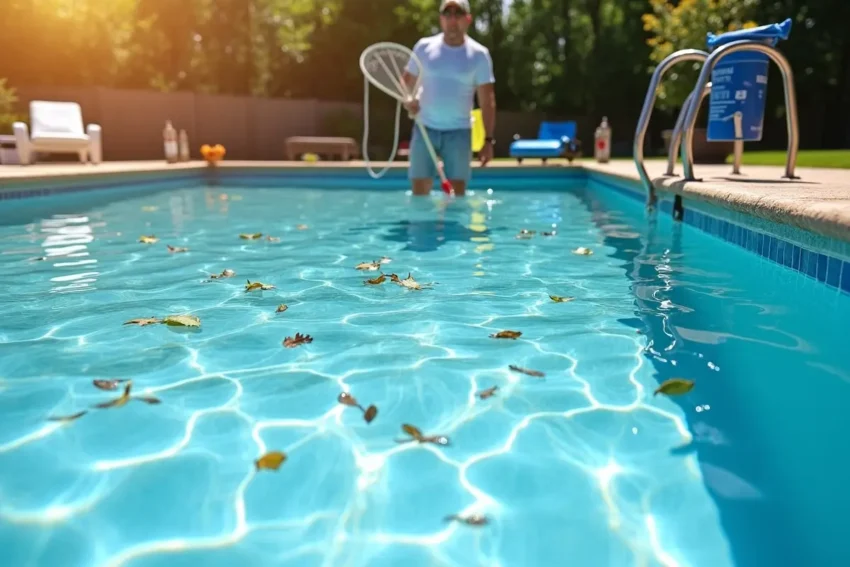
Consistent cleaning routines help prevent debris buildup that can clog filters and contaminate your pool. Leaves, insects, and dirt can cause water clarity issues or even damage pool equipment if not addressed.
- Skim the Surface Daily: Using a skimmer net each day removes most visible debris before it sinks or clogs your system.
- Vacuum Weekly: Regular vacuuming is necessary to remove dirt and sand that settle to the bottom of the pool and can encourage algae growth.
- Brush Walls and Tiles: Weekly scrubbing of pool walls and tiles deters algae buildup and keeps surfaces looking new.
Staying consistent with these actions will also make chemical balancing easier, as there will be fewer organic contaminants breaking down in your pool.
Maintaining Water Chemistry
Properly balanced water chemistry is essential not only for swimmer comfort but also for preventing corrosion and scaling in pool equipment. Maintaining stable levels reduces the risk of cloudy water and protects your investment.
- pH Levels: Optimal pH ranges from 7.4 to 7.6. This balance enhances sanitizing effectiveness and swimmer comfort and prevents etching or scaling of your pool’s surfaces.
- Chlorine: Maintain free chlorine between 1 and 3 ppm to protect against bacteria and organic waste.
- Total Alkalinity: Maintain levels between 80 and 120 ppm to stabilize your pool’s pH and buffer against drastic changes.
Routine testing (at least once a week) using a reliable pool test kit is a must, and adding chemicals as needed will save you from a host of issues later.
Ensuring Proper Circulation and Filtration
Efficient circulation and filtration are the foundation for clean and clear pool water. When water doesn’t circulate properly, it creates “dead zones” where algae and bacteria can thrive.
- Run the Pump Daily: Keeping the pump running 8–12 hours daily ensures that your entire pool volume cycles through your filter system, optimizing sanitization.
- Clean Filters Regularly: The required frequency depends on your filter type (cartridge, sand, or diatomaceous earth), but regular cleaning or backwashing is crucial. Reference the manufacturer’s guidelines for specific maintenance intervals.
- Inspect Equipment: Look over pumps, skimmers, and filters for leaks, cracks, or signs of wear to catch problems early.
Proper operation of these components will help maintain clarity and reduce the amount of chemicals you need to use.
For more best practices, consult larger resources such as the SwimmingPool.com maintenance guide for in-depth tips.
Seasonal Maintenance Tips
Pools require different maintenance routines as the seasons change. Adjusting care helps ensure your pool remains operational year-round and can help you avoid off-season surprises.
- Spring: Open the pool by removing the cover, deep-cleaning, and balancing the water chemistry for the season ahead.
- Summer: Expect increased debris and higher usage, leading to more frequent chemical testing and debris removal.
- Fall: Stay ahead of falling leaves and plan for winterizing by gradually lowering the water level and cleaning more frequently.
- Winter: In cold climates, lower the water, add winterizing chemicals, and secure the cover to prevent damage from ice and debris.
Sticking to these seasonal adjustments can prevent major cleanup and repair jobs later on, especially if your region experiences temperature extremes.
Preventing Common Pool Problems
A few extra steps each week can stop bigger headaches like algae blooms, cloudy water, or mysterious stains.
- Algae Control: Regular brushing and maintaining correct sanitizing levels are your best defense.
- Cloudy Water: Clean filters and balanced chemicals eliminate the need for later shock treatments.
- Stain Prevention: High metal content in some fill water sources can lead to stains, so use sequestrants and check for sources of metals in your fill supply.
For additional troubleshooting, reputable publications like The Spruce Pool Maintenance Guide offer practical tips for DIYers.
Safety Measures and Equipment Checks
Safety should always be a priority when maintaining your pool environment, especially in homes with children or pets.
- Inspect Safety Equipment: Ladders, diving boards, and handrails must be checked regularly for security and stability.
- Secure the Area: Fencing and pool covers not only protect against accidents but also help keep debris out, making cleaning easier.
- Family Education: Go over pool rules and emergency procedures with everyone in your household to ensure safety.
Proactive safety checks can help prevent accidents and increase the longevity of your pool’s structural integrity.
When to Seek Professional Help
Some problems require more expertise than regular maintenance can provide. Professional intervention is recommended for:
- Persistent Water Quality Issues: If balancing chemicals and filter maintenance do not resolve cloudiness or algae problems, a professional may be needed to diagnose and resolve underlying issues.
- Equipment Malfunctions: Pumps, heaters, and automated systems sometimes need expert servicing or replacement.
- Structural Repairs: For cracks, leaks, or major surface damage, hiring a pool contractor ensures repairs meet safety and building standards.
Having a trusted pool service professional on call gives peace of mind, especially for major repairs or significant quality concerns.
Additional Resources
If you want more details on maintaining or upgrading your pool, check out guides from Forbes Home Pool Maintenance Tips and consult with experienced local pool professionals for tailored advice.
With regular attention and a clear seasonal plan, your pool can offer a safe, inviting, and enjoyable retreat for years to come, making it a centerpiece of your home’s outdoor space.