Essential Residential Plumbing Services for Homeowners
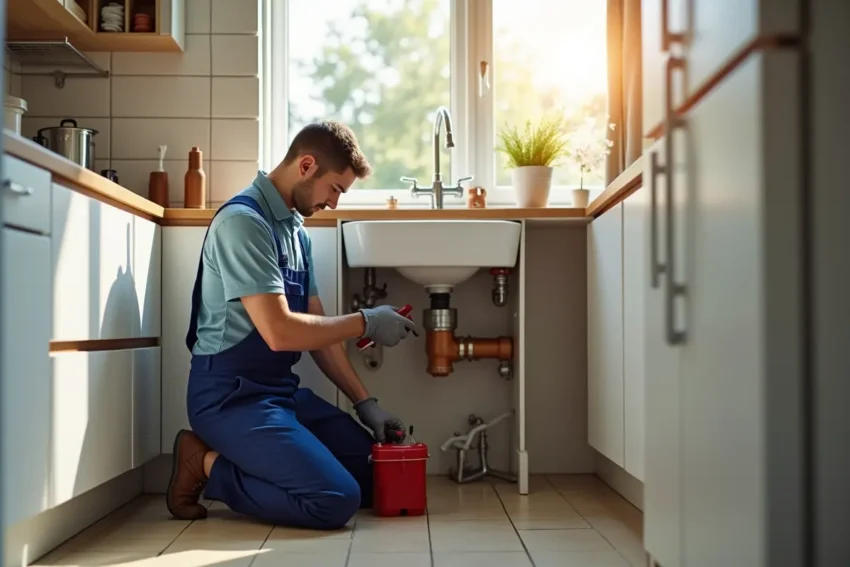
Our homes depend on a hardworking, often unseen, network: the plumbing system. It quietly provides us with clean water and efficiently removes waste. When this system falters, it can quickly turn daily comfort into major stress. Plumbing problems can lead to significant inconvenience and expensive damage.
Understanding your home’s plumbing is crucial. This guide offers essential insights into common residential plumbing issues. We will cover how to prevent them and when professional help is truly necessary.
From simple clogs to urgent emergencies, we aim to equip you with the knowledge to maintain a healthy and functional home. We will also look at the comprehensive range of residential and commercial plumbing services that can keep your system running smoothly for years to come. Let’s explore keeping your home’s water flowing reliably.
Common Plumbing Issues and Preventive Maintenance
Even the most robust plumbing systems can encounter problems. As homeowners, we frequently encounter a set of recurring issues that, if left unaddressed, can escalate into significant concerns. Among the most common residential plumbing issues are persistent clogged drains, toilets that run continuously, frustratingly low water pressure, and the ever-present threat of leaky faucets or pipes. These seemingly minor annoyances can often be symptoms of larger, underlying problems.
For instance, a seemingly innocuous drip from a faucet can waste hundreds of gallons of water annually, driving up utility bills. More critically, hidden leaks within walls or under floors can lead to severe structural rot and hazardous mold growth, compromising both the integrity of your home and the health of its occupants. The best defense against these costly and disruptive problems is proactive preventative maintenance.
Regular attention to your plumbing system, including annual inspections by a qualified professional, can catch small issues before they become emergencies. By understanding these common challenges and adopting a preventive mindset, we can safeguard our homes and ensure our plumbing systems operate efficiently for years to come.
Preventing Clogs and Pipe Damage
Clogged drains are perhaps the most frequent and frustrating plumbing problem homeowners face. The good news is that many clogs are preventable with simple, consistent habits. A primary culprit in kitchen drains is the disposal of cooking oils and liquid fats. When these substances cool, they solidify and cling to pipe walls, gradually accumulating debris and leading to stubborn blockages. Instead, always dispose of fats and oils in the trash.
In bathrooms, hair and soap scum are the main offenders. Installing drain strainers in showers and sinks can effectively catch hair and other debris before they enter your pipes. For ongoing maintenance, consider using enzyme treatments. These biological cleaners break down organic matter without harming your pipes, offering a gentle alternative to harsh chemicals.
Speaking of chemicals, we strongly advise against the use of chemical drain cleaners. While they might offer a temporary fix, these corrosive products often fail to fully clear blockages. More importantly, they can damage your pipes, especially older ones, leading to pipe corrosion and weakening their structure over time. This can result in recurring clogs and even leaks.
Professional plumbers frequently find that these chemical residues make future repairs more challenging and potentially more expensive. By adopting these preventive measures, we can significantly reduce the likelihood of clogs and extend the lifespan of our plumbing infrastructure.
Core Residential Plumbing Services for Modern Homes
A fully functional home relies on a robust plumbing system, and when issues arise, a wide array of specialized services are available to restore order. From routine maintenance to urgent repairs, professional plumbers offer comprehensive residential plumbing services designed to address every aspect of your home’s water and waste systems.
One of the most frequently requested services is drain cleaning. Whether it’s a slow-draining sink or a completely blocked sewer line, plumbers utilize various techniques, from traditional snaking to advanced hydro jetting, to clear obstructions effectively. Hydro jetting, in particular, uses high-pressure water to scour pipe interiors, removing stubborn buildup like grease, mineral deposits, and even tree roots.
Water heaters are another critical component of home comfort. Plumbers provide repair, maintenance, and installation services for both traditional tank-style and modern tankless water heaters, ensuring a reliable supply of hot water for our daily needs. When dealing with deeper issues, sewer camera inspections are invaluable. These non-invasive diagnostics allow technicians to visually pinpoint blockages, cracks, or other damage within pipes, eliminating guesswork and ensuring precise repairs.
Beyond these, services like sump pump repair and installation are vital for protecting basements from flooding, especially in areas prone to heavy rainfall or rapid snowmelt. Gas leak detection and repair are also crucial offerings, addressing potentially dangerous situations with specialized equipment and certified expertise. For a deeper dive into the variety of services available to keep your home’s plumbing in top condition, exploring comprehensive residential plumbing services can provide valuable insights into maintaining your system’s health.
Water Quality and Filtration Systems
The quality of the water flowing into our homes directly impacts our health, the longevity of our appliances, and the taste of our food and beverages. Many homeowners are increasingly concerned about what’s in their tap water, leading to a growing demand for water quality solutions.
Water testing is the first crucial step. This service identifies invisible contaminants such as lead, bacteria, pesticides, nitrates, and chlorine, as well as assesses factors like pH levels and water hardness. It’s impossible to detect many of these issues by sight or smell alone, making professional testing essential for peace of mind.
Once water quality concerns are identified, various filtration systems can be implemented. For homes with hard water—characterized by high mineral content like calcium and magnesium—water softeners are highly effective. Hard water can lead to mineral buildup in pipes and appliances, reducing efficiency and lifespan, and leaving behind unsightly soap scum. A water softener removes these minerals, extending the life of dishwashers, washing machines, and water heaters, and improving the effectiveness of soaps and detergents.
Beyond softening, a range of filtration systems can address specific contaminants. Whole-house filtration systems treat all water entering the home, while point-of-use filters (like those under a sink or on a faucet) target drinking water. These systems can remove sediment, chlorine, volatile organic compounds (VOCs), and other impurities, significantly improving taste, odor, and overall water quality. Investing in water testing and appropriate filtration not only enhances household water quality but also protects our plumbing infrastructure from the damaging effects of unfiltered or highly acidic water.
Signs Your Home Needs Repiping or Sewer Line Repair
Our home’s plumbing system, particularly its pipes and sewer lines, has a finite lifespan. Over time, materials degrade, and external factors can cause significant damage. Recognizing the signs that your home may need repiping or sewer line repair can save you from catastrophic failures and extensive property damage.
One of the clearest indicators, especially in older homes, is the presence of original cast iron pipes. These pipes, common in homes built before the 1970s, are prone to corrosion, cracking, and eventual collapse. Signs of their deterioration include frequent clogs, slow drains, and the presence of rust flakes in your water.
Similarly, galvanized steel pipes, another older material, are known for interior rust buildup that restricts water flow, leading to low water pressure and discolored water. If you notice a persistent reddish or brownish tint to your water, especially after it’s been sitting, it’s a strong sign of internal pipe corrosion.
Slab leaks, which occur in pipes embedded within your home’s concrete foundation, are particularly insidious. They can manifest as unexplained wet spots on floors, the sound of running water when all fixtures are off, or a sudden spike in your water bill. If left unaddressed, slab leaks can undermine your home’s foundation and lead to significant structural damage.
Sewer line issues often present with more dramatic symptoms, such as multiple clogged drains, foul odors emanating from drains, gurgling toilets, or sewage backups in tubs and showers. Tree roots are a common culprit, infiltrating tiny cracks in sewer pipes and expanding, causing blockages and structural damage.
Modern solutions like trenchless sewer repair can address these issues with minimal disruption to your yard, often repairing or replacing pipes without extensive excavation. Techniques such as progressive rodding, which uses increasingly larger rods to clear stubborn blockages, are also employed for comprehensive sewer cleaning.
Emergency Protocols and Professional Intervention
Plumbing emergencies are among the most stressful home incidents, often striking without warning and demanding immediate action. Whether it’s a burst pipe flooding your basement or a sewer backup threatening to contaminate your living space, knowing what to do in the first few minutes can significantly mitigate damage and reduce repair costs.
The absolute first step in any water-related plumbing emergency is to locate and shut off your main water shutoff valve. This valve, typically located where the main water line enters your house (often near the front foundation wall, in a basement, crawl space, or utility area close to the water meter), will stop the flow of water to your entire home. Familiarize yourself with its location before an emergency occurs and ensure it’s easily accessible and functional.
For emergencies involving significant water leakage, especially near electrical outlets or appliances, it’s crucial to prioritize electrical safety. If water is pooling near electrical components, turn off the electricity to the affected area at your home’s main breaker panel to prevent electrical hazards.
Another useful diagnostic tool in a suspected leak is your water meter. If you hear running water but can’t locate the source, ensure all water fixtures are turned off, then check your water meter. If the meter’s dial is still spinning, it indicates water is flowing somewhere, confirming a hidden leak. This information can be invaluable to your plumber.
Once the immediate threat is contained, such as stopping the water flow from a burst pipe, it’s time to call a professional. Plumbing emergencies don’t adhere to business hours, so many reputable residential plumbing services offer 24/7 emergency response. Having the contact information for a trusted plumber readily available is just as important as knowing where your main water shutoff valve is.
When to Hire Professional Residential Plumbing Services
The line between a DIY fix and needing a professional plumber can sometimes feel blurry. While tackling minor issues like a simple drain clog with a plunger or replacing a showerhead might be within a homeowner’s capabilities, knowing when to call in the experts is crucial for preventing further damage, ensuring safety, and avoiding costly mistakes.
One of the primary reasons to opt for professional help is the complexity of modern plumbing systems. Many tasks, such as water heater installation, gas line repairs, or sewer line replacements, require specialized knowledge, tools, and experience that most homeowners simply don’t possess. Attempting these complex repairs without the necessary expertise can lead to serious safety hazards, including gas leaks or water damage, and often results in more expensive repairs down the line.
Furthermore, many jurisdictions have strict building codes that govern plumbing work. Professional plumbers are licensed and insured, meaning they are knowledgeable about these codes and ensure all work complies with local regulations. Unlicensed plumbing work can not only be unsafe but can also void your homeowner’s insurance policy, leaving you unprotected in the event of future damage. Moreover, selling a home with unpermitted or improperly completed plumbing work can create significant legal and financial headaches.
Professional plumbers also bring specialized equipment to the job, such as hydro jetters for deep drain cleaning, sewer cameras for precise diagnostics, and advanced leak detection tools. These tools allow for accurate problem identification and efficient, long-lasting solutions that DIY methods often cannot achieve.
While the initial cost of a professional service might seem higher than a DIY attempt, the value provided in expertise, safety, compliance, and durable repairs often makes it the more economical choice in the long run. For a full spectrum of expert plumbing solutions, exploring a provider offering residential and commercial plumbing services can offer peace of mind.
| Feature | DIY Fix | Professional Plumbing Service |
| Initial Cost | Often lower (materials only) | Higher (labor, materials, expertise) |
| Expertise | Limited, based on personal knowledge/tutorials | Extensive, licensed, trained, experienced |
| Tools | Basic household tools, rented specialized tools | Advanced, specialized, industrial-grade equipment |
| Safety | Potential for injury, gas leaks, electrical shock | High safety standards, adherence to codes |
| Effectiveness | Temporary, may not address root cause | Long-lasting, addresses root cause, guaranteed work |
| Time | Can be time-consuming, trial-and-error | Efficient, swift diagnosis and repair |
| Warranty | None | Often includes labor and parts warranty |
| Insurance | No coverage for mistakes | Insured work, protects homeowner’s property and liability |
| Code Compliance | Unlikely to meet local codes | Ensures compliance with all local building codes |
Selecting a reliable residential plumbing company is a critical decision that can impact the safety, functionality, and value of your home. With numerous options available, knowing what to look for can help you make an informed choice.
First and foremost, always prioritize licensed plumbers. Licensing ensures that the plumber has met specific training, experience, and examination requirements set by state or local authorities. This credential is a testament to their professional competence. Equally important is ensuring the company is fully insured and bonded. Insurance protects you from liability in case of accidents or damage to your property during the service, while bonding offers financial protection if the work isn’t completed as agreed.
Transparency in pricing is another non-negotiable factor. Reputable companies provide upfront pricing estimates before any work begins, avoiding hidden fees or surprise charges. Ask about their diagnostic fees, hourly rates, and how they handle unexpected complications. Many also offer financing options for larger, more expensive projects, making essential repairs more accessible.
Beyond credentials and pricing, consider their reputation. Look for companies with positive customer reviews and testimonials, ideally from your local community. Ask about their warranties on parts and labor, as a strong warranty reflects confidence in their workmanship.
Finally, inquire about their availability, especially for emergency services. A company that offers 24/7 emergency support can be a lifesaver when unexpected plumbing crises arise. By focusing on these key criteria, we can confidently choose a residential plumbing company that provides quality service and peace of mind.
Frequently Asked Questions About Home Plumbing
How often should I have my home’s plumbing inspected?
The frequency of plumbing inspections largely depends on the age of your home and its plumbing system. For newer homes, typically those under 20 years old, we recommend a professional plumbing inspection every two years. This allows for early detection of minor leaks, potential drain clogs, and general wear and tear before they escalate.
For older homes, particularly those over 20 years old or those with known issues like aging pipes or a history of problems, an annual inspection is highly advisable. These regular preventative maintenance checks are crucial for extending the lifespan of your plumbing system, identifying issues like corroding pipes, and preventing costly emergency repairs. They also help ensure your system is operating efficiently and safely.
Why should I avoid chemical drain cleaners?
While chemical drain cleaners offer a seemingly quick and convenient solution for clogs, we strongly advise against their use. These products are highly corrosive and often contain harsh chemicals that can cause significant damage to your pipes over time, particularly older or PVC piping. Instead of fully dissolving clgs, they often just eat away at a portion of the blockage, making it smaller but leaving behind residue that allows clogs to reform quickly.
This leads to recurring clogs and a cycle of chemical use. Furthermore, the chemicals can be hazardous to your health and the environment. Professional plumbers often find that these chemical residues make future repairs more challenging and potentially dangerous for technicians. For effective and safe clog removal, professional methods like snaking or hydro jetting are far superior, addressing the root cause without damaging your plumbing infrastructure.
What are the benefits of a tankless water heater?
Tankless water heaters, also known as on-demand water heaters, offer several compelling benefits over traditional storage tank models. One of the most significant advantages is energy efficiency. Unlike conventional heaters that continuously heat and store a large tank of water, tankless units only heat water when it’s needed. This can lead to substantial savings on your energy bills. Another major benefit is an endless supply of hot water.
Since water is heated on demand, you’ll never run out, even during peak usage times or for consecutive showers. Tankless units also offer space saving advantages; they are compact and mount on a wall, freeing up valuable floor space in utility closets or basements. Finally, the system lifespan of tankless water heaters is generally longer than that of traditional tanks, often lasting 20 years or more with proper maintenance, further contributing to their long-term value.
Conclusion
Our homes are our sanctuaries, and a well-maintained plumbing system is fundamental to their comfort, safety, and value. From preventing common clogs to addressing complex sewer line issues, understanding the nuances of residential plumbing empowers us as homeowners. We’ve explored the importance of proactive care, emphasizing how regular preventative maintenance and annual inspections can safeguard our homes from structural damage, mold growth, and unexpected emergencies.
We’ve also highlighted the critical role of professional partnerships, underscoring when to call in licensed experts for tasks that extend beyond simple DIY fixes. By choosing reputable service providers, we not only ensure compliance with building codes and protect our homeowner’s insurance but also gain access to specialized equipment and expertise that guarantee long-lasting solutions.
Investing in the health of our plumbing system is an investment in our home’s longevity and our peace of mind. By staying informed, taking actionable steps, and knowing when to seek professional help, we can keep our home’s water flowing reliably, ensuring a comfortable and worry-free living environment for years to come.