Sustainable Solutions for Chemical and Hazardous Waste Management
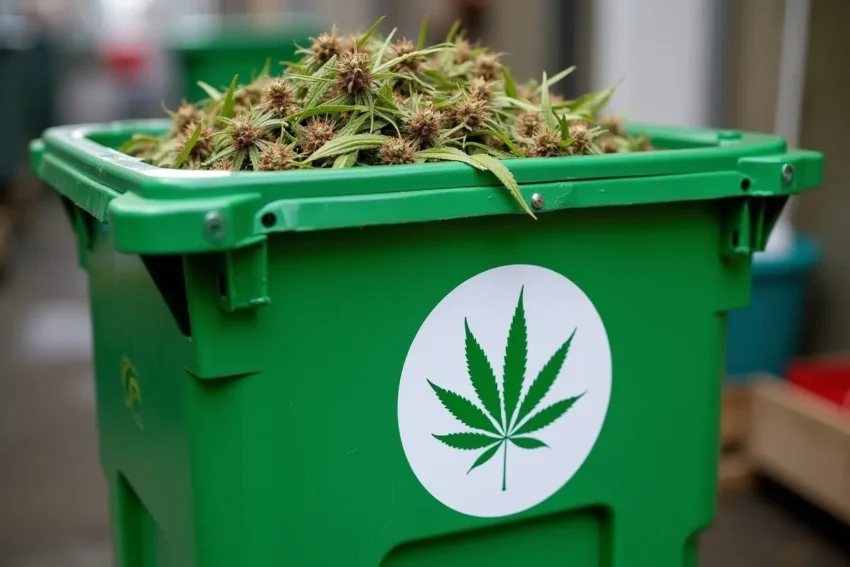
Effective chemical waste management in the cannabis industry begins with a clear understanding of what constitutes waste and how it is categorized. Unlike typical agricultural or manufacturing byproducts, cannabis waste carries unique regulatory and environmental considerations. It is broadly defined as any material that has come into contact with cannabis during its cultivation, production, manufacturing, or retail journey. This broad definition means everything from the soil used to grow the plant to the packaging that transported an edible, and even expired or unused products, can be considered cannabis waste.
This “special regulated waste” designation means that every step—storage, handling, transport, processing, and tracking—must strictly adhere to state-specific regulations. The complexity arises from the chemical nature of cannabis and the diverse materials involved in its lifecycle.
Classifying Hazardous vs. Non-Hazardous Waste Streams
Categorizing cannabis waste as either hazardous or non-hazardous is the foundational step in determining appropriate disposal methods. This classification is critical because hazardous waste streams demand significantly more stringent handling and disposal protocols.
Non-Hazardous Cannabis Waste typically includes:
- Plant Material: This encompasses all vegetative matter from cultivation, such as stalks, stems, fan leaves, root balls, and trimmings, provided they are not contaminated with hazardous substances. In many jurisdictions, cannabis waste consisting solely of plant material is considered organic waste.
- Grow Medium: Used soil, coco-coir, or soilless media, once free of hazardous contaminants, often falls into this category.
- Post-Extraction Biomass: If the biomass remaining after extraction processes (e.g., CO2 extraction) is free of solvent residuals and permissible contaminants, it can be classified as non-hazardous.
- Expired or Unused Products: Cannabis products (edibles, concentrates) that are past their shelf life or deemed unsuitable for sale, but do not contain hazardous components, are non-hazardous once rendered unusable.
- Packaging: Clean, empty packaging that has not come into contact with hazardous materials.
- Laboratory Trash: Absorbent paper products, Kim Wipes, gloves, and bench coats, if not contaminated with hazardous chemicals.
- Empty Containers: Containers that once held cannabis or cannabis products, provided they are truly empty and free of hazardous residues.
Hazardous Cannabis Waste requires specialized handling due to its potential to harm human health or the environment. This category often includes:
- Solvent Residuals: Any plant-based material or processing equipment contaminated with flammable or toxic solvents like butane, ethanol, propane, or other chemicals used in extraction and refinement processes.
- Process Liquids: Discarded liquids such as pesticides, fertilizers, cleaning solutions, or other chemicals used in cultivation or processing. These can also include used machine fluids from equipment cleanout.
- Spent Lighting: Grow lamps and bulbs, especially those containing mercury (e.g., HID, CFLs), are typically classified as universal waste, a subset of hazardous waste.
- Toxic Metals: Waste streams containing heavy metals, which can be found in certain fertilizers, pesticides, or even electronic components.
- Vape Pens and Batteries: Disposable cannabis vape pens with internal lithium-ion batteries are frequently classified as hazardous waste due to their electronic components and heavy metal content.
- Laboratory Waste: A wide array of chemicals used in testing, including reagents, acids, bases, and other toxic compounds. Unknown or unidentified chemicals are always treated as hazardous.
- Contaminated Grow Media: Soil or other grow media that has absorbed hazardous pesticides, heavy metals, or other toxic substances.
The distinction is crucial for compliance. For instance, while pure plant waste might be composted, plant waste contaminated with solvents must be rendered unusable and then disposed of as hazardous waste.
The Regulatory Framework Governing Chemical Waste Management
The regulatory landscape for cannabis waste management is complex and highly fragmented in July 2026. There are no overarching federal guidelines in the United States specifically dictating how cannabis waste should be handled. Instead, regulations vary significantly by state, city, and even county. This patchwork of rules creates a challenging environment for multi-state operators and even smaller businesses trying to maintain compliance.
Key aspects of the regulatory framework include:
- State-Specific Mandates: Each state with legal cannabis has developed its own set of rules. For example, New York’s regulations (N.Y. Comp. Codes R. & Regs. Tit. 9 § 125.11) specify how plant-based waste contaminated with solvents must be handled, requiring it to be rendered unusable by grinding and mixing with at least 50% non-cannabis waste by weight. California’s Department of Cannabis Control (DCC) also mandates rendering waste “unusable and unrecognizable,” often under video surveillance for failed or recalled products.
- “Unusable and Unrecognizable” Requirement: A common thread across many states is the mandate to render cannabis waste “unusable and unrecognizable” before disposal. This critical step prevents diversion of cannabis into the illicit market. Methods often involve grinding the cannabis material and mixing it with at least an equal amount (often 50% by weight or volume) of non-cannabis waste, such as food waste, yard waste, or even cat litter.
- EPA ID Number and Waste Manifests: For hazardous waste, businesses must comply with federal Resource Conservation and Recovery Act (RCRA) regulations, which are often implemented at the state level. This typically involves obtaining an EPA ID number, characterizing hazardous waste, and using hazardous waste manifests for transportation and disposal.
- Storage Time Limits and Accumulation Thresholds: Regulations often specify how long hazardous waste can be stored on-site and the maximum quantities allowed before it must be shipped off for disposal. For example, small quantity generators (SQGs) may have different accumulation limits and timeframes than large quantity generators (LQGs).
- OSHA Standards: Occupational Safety and Health Administration (OSHA) regulations apply to worker safety during waste handling, mandating appropriate Personal Protective Equipment (PPE) and hazard communication training.
- DEA Requirements: While the Drug Enforcement Administration (DEA) primarily focuses on controlled substances, their regulations can impact the disposal of certain cannabis-related materials, especially in the context of research or specific product types.
- Local Environmental Laws: Beyond state regulations, local jurisdictions may impose additional requirements related to wastewater discharge, air emissions, composting, or solid waste management.
- Tracking and Record-Keeping: Most states require meticulous record-keeping, often utilizing seed-to-sale tracking systems. Records must detail the type, quantity, date, and method of disposal, and often include employee signatures and video evidence. These records must be maintained for several years (e.g., five years in New York, three years for hemp remediation in USDA programs).
The dynamic nature of these regulations means cannabis businesses must stay constantly informed and often engage with specialized environmental consultants or waste management companies to ensure ongoing compliance.
Sustainable Disposal and Treatment Technologies
The cannabis industry’s rapid growth has spurred innovation in waste disposal and treatment, moving beyond traditional landfilling towards more sustainable and environmentally responsible methods. These technologies aim to minimize ecological impact, recover valuable resources, and comply with evolving regulations.
Composting and Anaerobic Digestion of Organic Byproducts
For the significant volume of organic cannabis waste, such as plant material, leaves, and stems, composting and anaerobic digestion offer environmentally preferable alternatives to landfilling.
- Composting: This aerobic process breaks down organic matter into nutrient-rich soil amendments. Successful composting requires careful management of several factors:
- Carbon-to-Nitrogen (C:N) Ratio: Cannabis plant material is typically carbon-rich (around 15-20:1 C:N ratio), so it often needs to be balanced with nitrogen-rich feedstocks like manure, food waste, or fresh grass clippings to achieve an ideal ratio of roughly 30:1.
- Bulking Agents: Materials like wood chips or shredded paper can improve aeration and structure.
- Aeration: Regular turning of the compost pile is essential to provide oxygen for microbial activity and prevent anaerobic conditions that can lead to foul odors.
- Moisture Content: Maintaining 40-60% moisture is crucial for microbial health.
- Temperature: Efficient composting occurs at 90-150°F, which also helps destroy pathogens and weed seeds.
- Rendering Unusable: Before composting, cannabis waste must be rendered unusable and unrecognizable, typically by grinding and mixing with non-cannabis organic materials to meet the 50% non-cannabis waste threshold.
- On-site vs. Off-site: Some regulations permit on-site composting for smaller operations, while larger facilities often partner with commercial composting facilities.
- Anaerobic Digestion: This process uses microorganisms in the absence of oxygen to break down organic matter, producing biogas (rich in methane) and a nutrient-rich digestate.
- Micro-Anaerobic Digestion: Smaller, on-site digesters can offer a closed-loop system, generating renewable energy (methane for heating or electricity), CO2 (which can be used in cultivation or extraction), and nutrient-rich fertilizer for crops.
- Benefits: It effectively treats wet organic waste, reduces greenhouse gas emissions, and creates valuable byproducts, making it a highly sustainable option.
- Bokashi Fermentation: An anaerobic fermentation technique that uses a specific microbial inoculant to process organic waste, including cannabis plant material. It ferments waste rather than decomposing it, producing a “pre-compost” that can then be buried or added to a compost pile. It’s an efficient, year-round, small-footprint method that avoids odors and pests.
Advanced Recycling and Resource Recovery
Beyond biological decomposition, advanced technologies are emerging to recover valuable components from cannabis waste streams.
- Solvent Distillation and Chemical Solvent Recycling: Many cannabis extraction processes rely on solvents. Instead of disposing of these spent solvents as hazardous waste, distillation units can purify and recover them for reuse, significantly reducing waste volumes and operational costs. This is a crucial aspect of managing chemical cannabis waste.
- Battery Component Recovery: With the proliferation of vape pens, the recovery of lithium-ion batteries and other electronic components is gaining importance. Specialized recycling facilities can extract valuable metals and prevent hazardous materials from entering landfills.
- Precious Metal Extraction: Certain laboratory equipment or electronic components might contain trace amounts of precious metals, which can be recovered through specialized processes.
- Circular Economy Initiatives: The long-term vision for cannabis waste management increasingly aligns with circular economy principles, aiming to design out waste and pollution, keep products and materials in use, and regenerate natural systems. This includes exploring uses for compacted cannabis waste as construction materials or hemp stalks as animal bedding.
Best Practices for Safe Storage and Handling
Safe storage and handling of cannabis waste are paramount, not only for regulatory compliance but also for protecting workers, preventing environmental contamination, and deterring diversion of product. Adhering to best practices minimizes risks associated with both hazardous and non-hazardous waste streams.
Essential Personal Protective Equipment for Waste Handlers
Any personnel involved in handling cannabis waste, particularly hazardous materials, must use appropriate Personal Protective Equipment (PPE). This protects against chemical exposure, biological contaminants, and physical hazards.
- Nitrile Gloves: Provide chemical resistance and protect against skin contact with various substances.
- Protective Coveralls: Disposable or reusable coveralls shield clothing and skin from splashes, spills, and contact with waste materials.
- Safety Goggles or Face Shields: Essential for eye protection against splashes, dust, and particulate matter.
- Respiratory Protection/Face Masks: Depending on the waste type and handling method (e.g., grinding, solvent handling), respirators or masks (e.g., N95 for dust, chemical cartridge respirators for fumes) may be necessary to prevent inhalation of harmful particles or vapors.
- Boots: Chemical-resistant, slip-resistant boots protect feet from spills and provide traction.
- Ear Protection: If operating noisy machinery for grinding or processing waste, earplugs or earmuffs are crucial.
Beyond PPE, comprehensive hazard communication and emergency spill response training are vital. Workers must understand the risks associated with each waste type and know how to react safely in an emergency.
Ensuring Complete Destruction and Rendering Waste Unusable
The cornerstone of cannabis waste compliance in many jurisdictions is the requirement to render the material “unusable and unrecognizable” before disposal. This step is designed to prevent the waste from being diverted to the illicit market or consumed unintentionally.
- Grinding and Mixing: The most common method involves grinding the cannabis material (plant waste, edibles, concentrates) and thoroughly mixing it with non-cannabis waste. Regulations often specify that the resulting mixture must be at least 50% non-cannabis waste by weight or volume. Acceptable mixing agents include food waste, yard waste, soil, sand, cat litter, or sawdust. This process physically alters the cannabis, making it difficult to separate or identify.
- Video Surveillance: For high-value or regulated cannabis products (e.g., failed quality tests, recalled items), some states mandate that the rendering process be conducted under continuous video surveillance. This provides an auditable record of compliance.
- Secure Waste Receptacles: Until disposal, all cannabis waste must be stored in secure, locked receptacles or in a secured area with restricted access. Exterior receptacles must also be locked to prevent unauthorized access.
- Tracking and Tracing: Every step of the waste disposal process, from generation to final destruction, must be meticulously documented in the state’s inventory tracking system. This includes recording the type, weight, lot number, date of disposal, and the names of employees involved.
- Certificates of Destruction: When using third-party disposal services, businesses should obtain a Certificate of Destruction or similar documentation to verify that the waste was handled and disposed of in compliance with all regulations. This is particularly important for chemical cannabis waste, where specialized processes are often required.
The Role of Third-Party Waste Management Services
Given the intricate and evolving regulatory landscape of cannabis waste management, many cannabis businesses find it advantageous, if not essential, to partner with specialized third-party waste management companies. These companies offer expertise, resources, and infrastructure that can significantly streamline compliance and reduce operational burdens.
- Licensed Transporters: Third-party providers typically employ licensed and permitted waste transporters who are equipped to handle various types of waste, including hazardous materials. This ensures that waste is moved legally and safely from the business premises to appropriate disposal or treatment facilities.
- Treatment, Storage, and Disposal Facilities (TSDFs): Reputable waste management companies have established relationships with or operate their own TSDFs that are authorized to receive and process cannabis waste. This includes facilities for composting, anaerobic digestion, incineration, and hazardous waste treatment.
- Lab Pack Services: For laboratories or manufacturers generating small quantities of diverse chemicals, “lab pack” services are invaluable. These involve experts categorizing, segregating, packing, and labeling chemicals into approved drums for safe transportation and disposal, including preparing all necessary hazardous waste manifests.
- Compliance Auditing and Consulting: Many third-party providers offer consulting services to help businesses develop site-specific waste management plans, conduct waste characterization, and navigate complex local, state, and federal regulations. This ongoing guidance is crucial in an industry with frequently shifting rules.
- Waste Tracking Manifests: These companies manage the extensive documentation required for waste disposal, including hazardous waste manifests and certificates of destruction, ensuring that all activities are accurately recorded and traceable.
- Liability Mitigation: By partnering with a fully compliant and insured waste management company, cannabis businesses can significantly mitigate their liability for improper waste disposal. The waste generator remains ultimately responsible for their waste “from cradle to grave,” so choosing a reliable partner is critical.
- Site-Specific Waste Planning: Tailored plans can address the unique waste streams of cultivators, manufacturers, dispensaries, and testing labs, optimizing collection schedules, storage protocols, and disposal methods.
Engaging a professional third-party waste management service allows cannabis businesses to focus on their core operations while entrusting the complexities of waste compliance to experts.
Frequently Asked Questions about Chemical Waste Management
What is the difference between hazardous and universal chemical waste?
Hazardous waste is a broad category of waste that poses substantial or potential threats to public health or the environment. It is typically defined by characteristics such as ignitability (flammable), corrosivity (acidic or basic), reactivity (unstable), or toxicity (poisonous). Examples in the cannabis industry include spent solvents, certain pesticides, and contaminated process liquids. Disposal of hazardous waste is highly regulated under RCRA, requiring specific manifests, storage limits, and specialized treatment at licensed TSDFs.
Universal waste is a subset of hazardous waste that includes commonly generated hazardous wastes like batteries, mercury-containing equipment (e.g., thermostats), pesticides, and lamps (e.g., fluorescent bulbs, HID grow lights). These wastes are subject to less stringent regulations than other hazardous wastes, making their collection and recycling easier, but they still cannot be disposed of in municipal landfills. The relaxed rules aim to encourage proper recycling and reduce the volume of hazardous waste entering the general waste stream.
How long can a facility store hazardous chemical waste before disposal?
The storage time limits for hazardous chemical waste depend on the facility’s generator status, which is determined by the amount of hazardous waste produced per month.
- Conditional Exempt Small Quantity Generators (CESQG): These facilities produce very small amounts of hazardous waste. They often have longer accumulation periods and simpler requirements, but must still send their waste to a permitted facility.
- Small Quantity Generators (SQG): Typically, SQGs can accumulate hazardous waste on-site for up to 180 days, or 270 days if the waste must be transported over 200 miles for disposal. They have specific accumulation limits (e.g., up to 13,228 lbs).
- Large Quantity Generators (LQG): LQGs, producing significant amounts of hazardous waste, generally have a maximum on-site accumulation period of 90 days.
Regardless of status, all hazardous waste containers must be properly labeled with accumulation start dates, and facilities must request collection before these limits are reached. If 55 gallons or more of any individual hazardous waste accumulates, it must be collected within 3 days.
What are the legal consequences of improper chemical waste management?
The legal consequences of improper chemical waste management in the cannabis industry can be severe, impacting both the business and responsible individuals. These can include:
- Fines and Penalties: Significant monetary fines can be levied by state and federal environmental agencies (e.g., EPA, state environmental departments) for violations such as improper storage, unauthorized discharge, failure to manifest, or misclassification of waste. These fines can range from thousands to tens of thousands of dollars per day per violation.
- License Revocation or Suspension: For licensed cannabis businesses, non-compliance with waste management regulations can lead to the suspension or outright revocation of their operating licenses, effectively shutting down their operations.
- Criminal Charges: In cases of egregious or willful violations, individuals and corporate officers can face criminal charges, potentially leading to imprisonment.
- Civil Lawsuits: Businesses may be subject to civil lawsuits from affected parties, including employees, local communities, or environmental groups, seeking damages for health impacts or environmental harm.
- Cleanup Costs: The responsible party is typically liable for all costs associated with cleaning up environmental contamination caused by improper waste disposal, which can be substantial.
- Reputational Damage: Beyond legal and financial repercussions, improper waste management can severely damage a company’s reputation, leading to loss of customer trust and market share.
The “cradle-to-grave” responsibility under RCRA means that the waste generator is ultimately accountable for their hazardous waste from its creation to its final disposal, even if a third-party transporter or TSDF is involved. This underscores the importance of stringent compliance and partnering with reputable waste management professionals.
Conclusion
As the cannabis industry continues its expansion in July 2026, the imperative for responsible and sustainable waste management has never been greater. Navigating the complex web of state-specific regulations, distinguishing between hazardous and non-hazardous waste streams, and implementing environmentally sound disposal practices are critical for long-term success.
By embracing best practices—from meticulous waste characterization and secure storage to the adoption of advanced recycling and organic decomposition technologies—cannabis businesses can not only ensure compliance but also champion environmental stewardship. The journey towards truly sustainable cannabis operations involves a commitment to continuous improvement, adherence to stringent safety protocols, and often, strategic partnerships with expert third-party waste management providers. Prioritizing robust waste management is not just a regulatory obligation; it’s a fundamental aspect of building a resilient, responsible, and respected industry.