Revolutionary Cleaning Methods for Healthier Commercial Environments
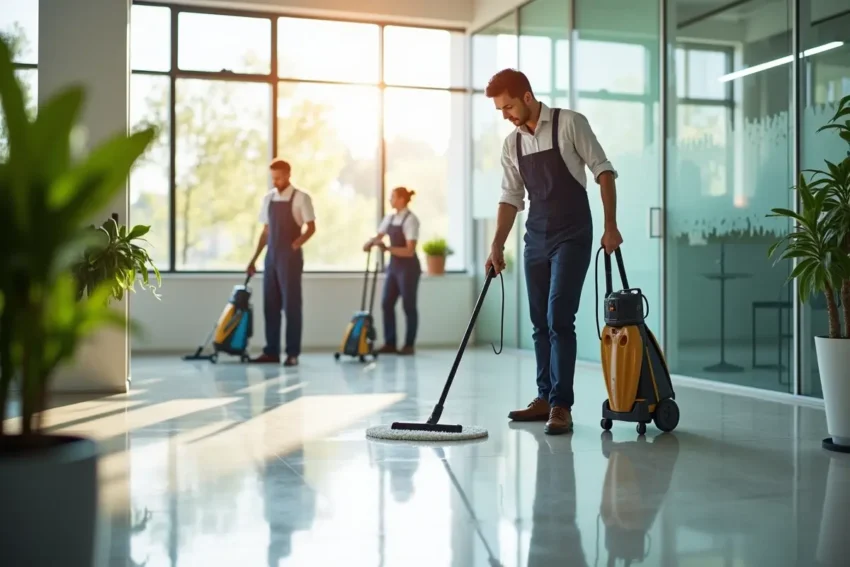
Maintaining spotless commercial environments has become a top priority for organizations seeking to create a positive impression and safeguard the well-being of everyone who visits. Beyond traditional cleaning routines, businesses are adopting innovative methods and new technologies to ensure their premises remain welcoming, hygienic, and professional at all times. Industry leaders like BackUp Facility Services are at the forefront of this transformation, empowering facility managers to optimize their cleaning strategies for both effectiveness and efficiency.
Modern business facilities are increasingly embracing automated tools and sustainable cleaning solutions to stay ahead of evolving hygiene expectations. Data-driven decision-making and adaptive schedules are critical for maintaining cleanliness, especially in dynamic work settings. These advancements are not only increasing overall efficiency but also supporting environmental goals and cost management.
Embracing Smart Cleaning Technologies
The introduction of smart cleaning technologies has created a noticeable shift in commercial maintenance practices. Robotic cleaners can automate repetitive tasks such as vacuuming and scrubbing, freeing staff to focus on tasks that require a human touch. These robots use integrated sensors to efficiently map spaces and adjust their routes in real time, ensuring consistent coverage with minimal supervision.
Furthermore, Internet of Things (IoT) devices enable continuous monitoring of high-traffic areas and send alerts when special attention is needed. These intelligent systems enable targeted cleaning efforts exactly where and when they are needed, reducing waste and maximizing productivity.
Innovative monitoring systems are also helping facility managers gather detailed insights about cleaning patterns and supply usage. By integrating these systems with building management software, companies can create comprehensive sanitation profiles for each space.
This advanced level of understanding enables organizations to respond quickly to potential hygiene threats and continuously improve their processes. When properly leveraged, such technological advancements not only ensure cleaner environments but also provide data for reporting cleanliness levels to stakeholders and regulatory bodies.
Implementing Eco-Friendly Cleaning Solutions
Businesses across sectors are under increasing pressure to reduce their ecological footprints. Eco-friendly cleaning agents, which are biodegradable and free from toxic chemicals, are rapidly replacing conventional options. These products create healthier spaces for employees and customers by improving air quality and minimizing allergen exposure.
Employing energy-efficient machines and reducing the use of single-use cleaning materials not only helps protect the environment but also lowers ongoing operating costs, as recent reports by The New York Times show.
The demand for sustainability doesn’t stop at the products used; it’s also evident in how companies approach sourcing and disposal practices. Many facilities now prioritize partnering with suppliers that offer environmentally responsible packaging and implementing waste-reduction strategies, such as on-site composting for disposable cleaning cloths. These practices show a commitment to holistic sustainability that can become a powerful differentiator when clients and tenants are making their choices.
Leveraging Data Analytics for Optimal Cleaning Schedules
One of the most important trends in commercial facility maintenance is integrating data analytics into cleaning operations. By analyzing foot traffic, occupancy rates, and space utilization metrics, businesses can allocate resources more efficiently and respond to real-time needs. For instance, advanced sensor systems in restrooms can track usage frequency, prompting timely cleaning only as required. This approach ensures resources are not wasted on underutilized areas while maintaining spotless conditions where they matter most.
Additionally, predictive analytics can help facility managers anticipate future cleaning needs based on historical trends and seasonal patterns. These insights are invaluable in high-variation environments, such as retail spaces during holiday seasons or offices during periods of increased activity. With continuous data collection and regular reviews, businesses can make informed adjustments that maximize both hygiene outcomes and resource efficiency over time.
Adapting to Hybrid Work Models
The rise of hybrid work models has changed the way offices and commercial establishments plan their cleaning strategies. Fluctuations in workplace occupancy demand greater flexibility. Cleaning plans that automatically adjust based on headcount or scheduled building usage can improve efficiency, minimize unnecessary labor, and maintain health standards. Focusing on regularly used spaces and high-contact surfaces ensures companies maintain safety without incurring unnecessary costs for empty rooms or infrequently used areas.
For many organizations seeking professional solutions tailored to modern challenges, turning to industry experts specializing in commercial cleaning services is a valuable step toward maintaining operational excellence.
Enhancing Employee Training and Engagement
Success in implementing new cleaning strategies relies heavily on strong training and employee engagement. Ongoing education equips staff to confidently use advanced machinery and eco-friendly products, reducing operational mistakes and improving service delivery. Additionally, cultivating a workplace culture that recognizes and rewards the work of cleaning crews increases morale and talent retention.
Engaged employees are more likely to take pride in their work and remain committed to high-quality cleaning standards over the long term. According to Forbes, companies that prioritize employee training are more successful at adopting and scaling innovation.
Modern training programs may also incorporate gamification strategies to improve learning outcomes and engagement, making continual improvement part of the team’s culture. Some organizations provide digital progress-tracking or peer-recognition platforms to encourage friendly competition, reward consistency, and celebrate achievements in cleanliness and safety. These efforts help build a sense of community responsibility, which is reflected in enhanced overall facility hygiene.
Collaborating with Professional Cleaning Services
As businesses continue to innovate, partnering with professional cleaning providers ensures access to the latest equipment, protocols, and expertise. These service providers stay current with industry best practices, enabling companies to deliver consistently clean and safe spaces without managing every aspect internally. Outsourcing cleaning functions also enables internal staff to focus on core business objectives, knowing that their facility is being maintained by experts equipped to handle evolving needs and regulations.
Furthermore, established cleaning vendors often invest in research and development to refine their offerings. This ongoing innovation means their clients benefit from cutting-edge techniques, such as advanced disinfection protocols or specialized cleaning for sensitive electronics and collaborative workspaces, without taking on the burden of continuous in-house training or equipment upgrades. Flexible partnership models enable scaling services up or down in response to changing business needs and occupancy rates, providing unmatched agility in today’s ever-evolving marketplace.
Conclusion
In today’s rapidly changing business environment, adopting innovative approaches to commercial cleaning is more than a trend. It is a necessity for success. Organizations that leverage smart technology, eco-friendly practices, data-driven strategies, and adaptive scheduling stay ahead of hygiene requirements and operational challenges. Investing in employee training and working with specialized service providers further guarantees high performance and reliability. These forward-thinking choices strengthen brand reputation and workplace satisfaction, laying the foundation for long-term business growth and success.
As expectations for cleanliness and sustainability continue to rise, businesses that diversify their cleaning strategies and invest in continuous improvement will be best positioned to achieve consistently impressive, healthy, and inviting spaces. The commitment to innovation at every level ensures that organizations not only meet today’s standards but also set new benchmarks for operational excellence in the future.