Porcelain Bathroom Floor Tile vs Ceramic Bathroom Floor Tile: Which One Lasts Longer?
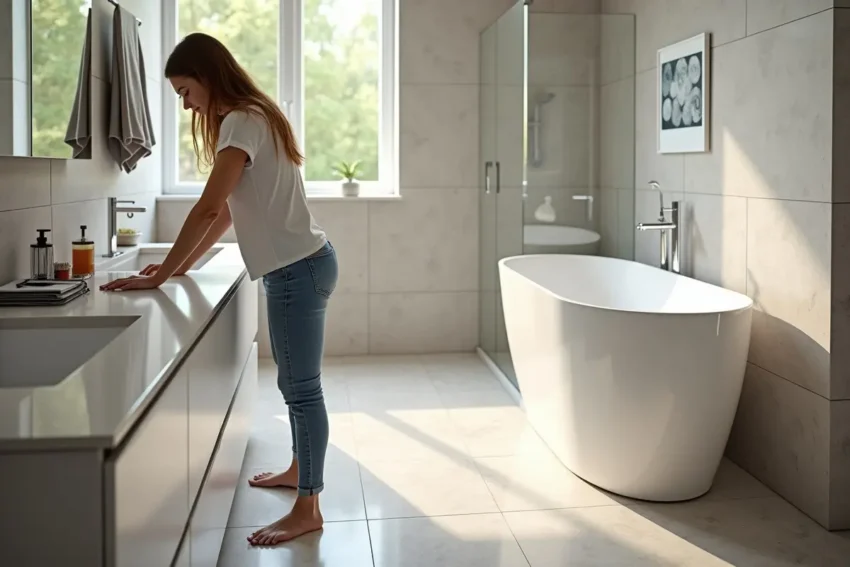
Choosing the right flooring for your bathroom involves more than just aesthetic appeal; durability is a critical factor. Porcelain and ceramic tiles are popular choices, but which one truly stands the test of time? This article will explore the durability and longevity of porcelain and ceramic Bathroom Floor Tiles, examine their maintenance needs, and help you make an informed decision for your bathroom flooring.
Porcelain Bathroom Floor Tile Durability
Porcelain tiles are known for their durability, primarily due to their dense composition. Manufactured under high temperatures and pressure, porcelain tiles are highly resistant to water, making them an excellent choice for bathroom settings where moisture is prevalent.
Moreover, porcelain tiles often meet LEED Certification standards due to their long-lasting nature and the use of sustainable materials in their production. This makes them a preferred choice in eco-friendly building projects. When selecting options for your space, consider integrating Bathroom Floor Tile to enhance both functionality and style.
In terms of wear and tear, porcelain tiles boast a higher Aesthetic Appeal Index, retaining their color and finish over time, even in high-traffic areas. Additionally, porcelain tiles are often used in designs where a high level of detail and hardscape is desired, thanks to their compatibility with CAD (Computer-Aided Design) systems for precise customization.
Ceramic Bathroom Floor Tile Longevity
Ceramic tiles, while not as dense as their porcelain counterparts, offer a significant level of durability and are often more cost-effective. They are made from a softer clay and fired at lower temperatures, which can affect their ability to withstand prolonged exposure to moisture. However, when properly glazed and sealed, ceramic tiles can provide a durable surface suitable for bathroom use.
Ceramic tiles are particularly favored for their versatility in design, allowing for extensive application of color theory and pattern creation to match any mood board or interior concept. Despite their lower density, ceramic tiles can still provide substantial longevity when maintained correctly and used in low-traffic areas.
Comparing Maintenance Needs of Porcelain and Ceramic
Maintenance is a critical aspect that affects the longevity of both porcelain and ceramic tiles. Porcelain tiles generally require less maintenance due to their non-porous nature, which resists staining and water absorption. This feature reduces the need for frequent resealing, making them a low-maintenance option for busy homeowners. In contrast, ceramic tiles need more attention, particularly in terms of sealing to protect against moisture penetration.
When comparing the cleaning needs, porcelain tiles are easier to clean and less likely to harbor mold, making them ideal for bathrooms. Meanwhile, ceramic tiles may demand more frequent cleaning and grout care. For homeowners focusing on sustainable materials selection, porcelain’s resilient surface aligns more with retrofitting and long-term use strategies, reducing the need for replacements.
Making the Choice for Your Bathroom Flooring
When deciding between porcelain and ceramic tiles for your bathroom, consider your specific needs and preferences. If you prioritize durability, water resistance, and low maintenance, porcelain Bathroom Floor Tile is likely the better choice. These tiles are particularly beneficial for high-traffic bathrooms or those prone to moisture exposure. The link to the Bathroom Floor Tile collection offers a variety of porcelain options that cater to these needs.
On the other hand, if budget constraints and design flexibility are your primary concerns, ceramic tiles offer a viable alternative. They provide ample opportunities for creative expression through space planning and can be suitable for bathrooms with lighter usage.
Conclusion
Ultimately, the choice between porcelain and ceramic Bathroom Floor Tile depends on your specific requirements for durability, maintenance, and design. Porcelain tiles offer superior durability and water resistance, making them ideal for high-moisture environments.
In contrast, ceramic tiles provide design versatility and cost savings, suitable for less demanding applications. Understanding these differences will help you make the best decision for your bathroom flooring project.