The Role of Advanced Technologies in Modern HVAC and Plumbing Systems
Keeping homes comfortable and efficient in Vincennes, IN, especially during our hot, humid summers, is a constant challenge. When your AC unit struggles to keep up or plumbing issues arise, it significantly impacts daily life. Many homeowners face rising energy bills, inconsistent temperatures, and unexpected breakdowns.
Fortunately, modern advancements in heating, ventilation, air conditioning, and plumbing are changing how we manage our home environments. These technologies offer solutions that go beyond basic fixes, promising greater comfort, efficiency, and reliability for AC unit repair in Vincennes, IN, and across all home systems. We are here to explore how these innovations are making homes smarter and more resilient.
To learn more about optimizing your home’s systems, visit our main HVAC guide, or for immediate needs, schedule your service today.
The Evolution of Climate Control and Advanced HVAC Technologies
The landscape of home comfort has undergone a dramatic transformation, moving far beyond the simple on/off switches of older systems. Today, advanced HVAC technologies are designed not just to heat or cool, but to optimize energy use, enhance indoor air quality, and provide unprecedented levels of control and reliability. This evolution is particularly crucial in regions like Vincennes, IN, where the humid subtropical climate places significant demands on air conditioning units throughout much of the year.
At the heart of this revolution are innovations such as variable-speed compressors and inverter technology. Unlike traditional single-stage compressors that operate at full capacity or off, variable-speed units can precisely adjust their output to match a home’s exact heating or cooling needs. This allows them to run for longer periods at lower, more efficient speeds, resulting in more consistent temperatures, better humidity control, and significantly reduced energy consumption.
Inverter technology further refines this by modulating the power supply to the compressor, enabling seamless transitions between operating speeds. For homeowners in Vincennes, this means a more comfortable indoor environment, fewer temperature swings, and a noticeable decrease in monthly utility bills.
Another critical advancement is the shift towards eco-friendly refrigerants. With the ongoing phase-out of older refrigerants like R-22 due to their environmental impact, newer, more sustainable options are becoming standard. These next-generation refrigerants have lower global warming potential, aligning with broader decarbonization efforts.
When an AC unit requires repair or replacement in Vincennes, IN, choosing a system that uses modern refrigerants not only complies with environmental regulations but also reduces a unit’s carbon footprint. This commitment to sustainability is driving the industry forward, ensuring that our comfort doesn’t come at the expense of the planet.
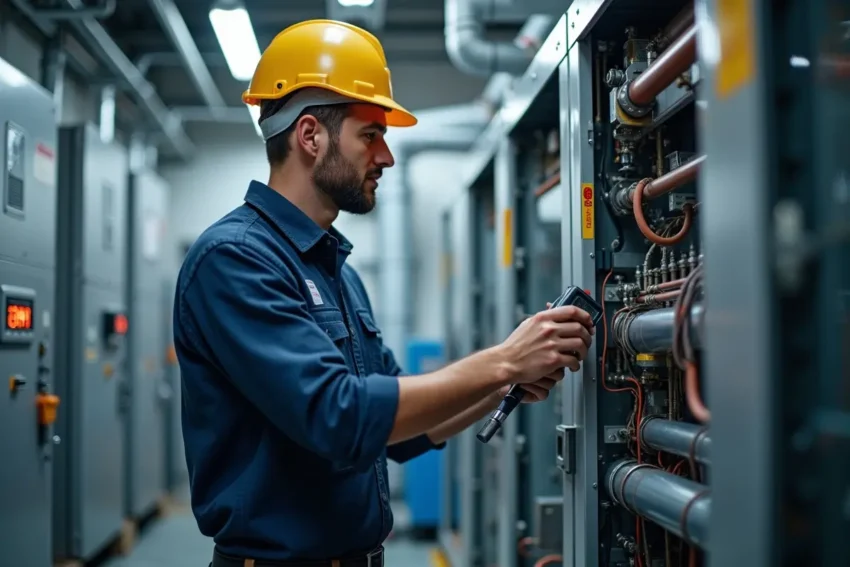
The integration of these sophisticated components means that modern AC unit repair in Vincennes, IN, often involves more complex diagnostics and specialized knowledge. Technicians are now equipped with advanced tools and training to troubleshoot intricate electronic controls, sensor arrays, and communication protocols between system components. When issues arise, understanding the nuances of modern systems is key to effective, lasting solutions.
For homeowners seeking specialized knowledge in complex system diagnostics and repair, exploring resources on Advanced HVAC repair Vincennes can provide valuable insights into local expertise. This ensures that your high-tech system receives the precise care it needs to continue operating at peak performance.
Smart Thermostats and Zoning Systems
The days of basic programmable thermostats are rapidly fading, replaced by smart thermostats that offer unparalleled control and convenience. These intelligent devices learn your preferences, adapt to your schedule, and can be controlled remotely via smartphone apps. Equipped with advanced sensors, they monitor not just temperature but also humidity, occupancy, and even outdoor weather conditions, proactively adjusting your HVAC system.
Beyond single-zone control, modern homes are increasingly adopting zoning systems. These allow different areas or “zones” within a house to be heated or cooled independently. Imagine keeping your bedrooms cooler at night while maintaining a warmer temperature in unused living spaces, or vice versa. This microclimate control is achieved through a network of dampers in the ductwork, managed by a central control panel and individual zone thermostats.
The result is customized comfort for every family member, eliminating hot and cold spots, and significantly reducing energy waste by not conditioning unoccupied areas. Wi-Fi connectivity is a standard feature, enabling homeowners to adjust settings, monitor energy usage, and receive alerts from anywhere in the world, ensuring optimal comfort and efficiency year-round.
High-Efficiency Heat Pumps and Mini-Splits
High-efficiency heat pumps are a versatile, energy-saving solution for both heating and cooling. Unlike furnaces that generate heat or traditional ACs that only cool, heat pumps transfer heat. In summer, they move heat from inside your home to the outside; in winter, they extract heat from the outdoor air (even in cold temperatures) and transfer it indoors.
Geothermal heat pumps take this a step further by tapping the earth’s stable temperatures, offering even greater efficiency and lower operating costs. These systems are incredibly effective in Vincennes’ climate, providing reliable heating during cooler months and powerful, efficient cooling during the hot, humid summers.
Ductless mini-split systems offer another flexible and efficient option, particularly for additions, renovated spaces, or homes without existing ductwork. Consisting of an outdoor compressor/condenser and one or more indoor air-handling units, mini-splits provide zoned comfort without the energy losses associated with ducts. Each indoor unit can be controlled independently, enabling precise temperature control in specific rooms.
This “decoupled heating and cooling” capability means you condition only the spaces you use, leading to substantial energy savings and personalized comfort. Both high-efficiency heat pumps and mini-splits are key components in modern home climate control, providing powerful, adaptable, and eco-conscious solutions.
Modern Indoor Air Quality Innovations
Beyond temperature control, the quality of the air we breathe indoors has become a paramount concern. Modern homes, built for energy efficiency, can sometimes trap pollutants, allergens, and moisture, leading to health issues and discomfort. Advanced HVAC systems are now integrating sophisticated indoor air quality (IAQ) solutions to ensure the air within our homes is as clean and healthy as possible. This focus is especially important in Vincennes, where seasonal allergens and high humidity can impact air quality.
Mechanical ventilation systems are crucial for introducing fresh outdoor air while expelling stale indoor air. This process helps dilute airborne contaminants, odors, and excessive humidity. When paired with high-efficiency filtration, these systems ensure that the incoming air is clean. HEPA (High-Efficiency Particulate Air) filtration, for example, can capture 99.97% of airborne particles 0.3 microns in size, including dust mites, pet dander, pollen, and mold spores. For those with allergies or respiratory sensitivities, this level of filtration can make a significant difference.
UV germicidal lights are another powerful tool in the IAQ arsenal. Installed within the HVAC system’s ductwork or near the evaporator coil, these lights use ultraviolet radiation to neutralize airborne bacteria, viruses, mold, and other microorganisms as air passes through. This proactive approach helps prevent the growth of harmful pathogens within the system itself and circulates cleaner air throughout the home.
Furthermore, advanced humidity management systems, including whole-home dehumidifiers and humidifiers, work to maintain optimal indoor humidity levels. This not only enhances comfort but also inhibits the growth of mold and mildew, which thrive in humid conditions, a common challenge in Vincennes’ climate.
Advanced HVAC Technologies for Air Purification
Taking air purification a step further, active purification systems go beyond passive filtration to actively neutralize pollutants. Technologies like photocatalytic oxidation (PCO) use UV light and a titanium dioxide catalyst to create hydroxyl radicals that break down volatile organic compounds (VOCs), odors, and biological contaminants at a molecular level. This process effectively “cleans” the air rather than just filtering it.
Electrostatic precipitators are another advanced purification method. These devices use an electrostatic charge to attract and capture microscopic particles, including smoke, pollen, and dust, that might otherwise pass through traditional filters. By charging particles and then collecting them on oppositely charged plates, electrostatic precipitators provide a highly effective means of removing even the smallest airborne contaminants, contributing to a significantly healthier indoor environment. These technologies are integral to creating truly clean and fresh indoor air, offering peace of mind to homeowners concerned about the air their families breathe.
Smart Ventilation and Moisture Control
Effective ventilation and moisture control are critical for maintaining a healthy, comfortable home, particularly in humid climates. Smart ventilation systems, such as energy recovery ventilators (ERVs) and heat recovery ventilators (HRVs), are designed to exchange indoor and outdoor air efficiently while minimizing energy loss. ERVs, for instance, transfer both heat and humidity between the incoming and outgoing air streams, making them ideal for Vincennes’ humid summers and cold winters. They bring in fresh air without forcing your HVAC system to work harder to condition it, improving air quality and saving energy.
Whole-home dehumidifiers are essential for combating excessive indoor humidity, a common issue that can lead to discomfort, musty odors, and mold and mildew growth. Integrated directly into your HVAC system, these units remove moisture from the air throughout your entire home, maintaining optimal humidity levels (typically between 30-50%). This not only enhances comfort but also protects your home’s structure and furnishings from moisture-related damage. By proactively managing moisture, smart ventilation and dehumidification systems play a vital role in preventing mold, ensuring a healthier, more durable living space.
Intelligent Plumbing and Water Management Systems
While often overlooked in discussions of home technology, plumbing systems are also undergoing a significant transformation, with intelligent solutions now offering enhanced protection, efficiency, and convenience. These advancements are designed to prevent costly damage, conserve water, and improve the overall quality of your water supply.
One of the most impactful innovations is smart leak detection. These systems use a network of strategically placed sensors throughout the home – near water heaters, under sinks, behind toilets, and in basements – to detect even the smallest leaks. Upon detecting moisture or unusual water flow patterns, the system immediately alerts the homeowner via a smartphone app. Many advanced systems are equipped with automatic shut-off valves that can instantly cut off the main water supply to prevent catastrophic water damage, saving thousands in potential repair costs and insurance claims.
Water conservation is another key driver of intelligent plumbing. Ultrasonic flow meters, for example, precisely monitor water usage throughout the home, providing real-time data that can help identify inefficiencies or hidden leaks. Homeowners can track their consumption, set usage goals, and receive alerts for unusually high usage, fostering more mindful water habits. These systems not only contribute to environmental sustainability but also help reduce utility bills, offering both ecological and economic benefits.
Tankless Water Heaters and Recirculation Loops
Traditional tank water heaters continuously heat a large volume of water, consuming energy even when hot water isn’t needed. Tankless water heaters, on the other hand, provide hot water on demand. They heat water only when a faucet is turned on, passing it through a heat exchanger that rapidly brings it to the desired temperature. This eliminates standby heat loss, leading to significant energy savings and an endless supply of hot water. For a busy household, this means no more cold showers, even during peak usage times.
Further enhancing efficiency and convenience are hot water recirculation loops. These systems ensure that hot water is available at every tap almost instantly, eliminating the wasteful practice of running the faucet for minutes while waiting for the water to heat up. A small pump circulates hot water through a dedicated line or back through the cold-water line, ensuring a constant supply of warm water at the fixtures. This not only saves water but also reduces the frustration of waiting, providing instant comfort and efficiency.
Advanced Water Filtration and Treatment
The quality of our drinking and utility water is a growing concern, and advanced plumbing systems offer sophisticated solutions for filtration and treatment. Reverse osmosis (RO) systems provide an exceptional level of purification for drinking water. By forcing water through a semi-permeable membrane, RO systems effectively remove a wide range of contaminants, including dissolved solids, chlorine, fluoride, lead, pesticides, and bacteria, resulting in clean, great-tasting water directly from the tap.
Smart water softeners represent another significant advancement. Traditional water softeners often operate on a timer, regenerating whether needed or not, which can waste salt and water. Smart softeners monitor actual water usage and hardness levels, regenerating only when necessary.
Some models can even connect to Wi-Fi, allowing homeowners to monitor salt levels, track water usage, and receive alerts via a smartphone app. These systems protect plumbing fixtures and appliances from scale buildup, extend their lifespan, and improve the effectiveness of soaps and detergents, all while optimizing efficiency. From removing contaminants to preventing mineral buildup, advanced water filtration and treatment systems ensure healthier water and more durable plumbing throughout the home.
The Future of Home Automation and Predictive Maintenance
The trajectory of home technology is clearly pointing towards greater automation, integration, and intelligence. The concept of a “smart home” is evolving from a collection of interconnected devices to a truly intelligent ecosystem that anticipates needs, optimizes performance, and even predicts potential problems before they escalate. This future promises not only unparalleled comfort and convenience but also significant savings in energy and repair costs.
At the forefront of this evolution is predictive maintenance, driven by the Internet of Things (IoT) and advanced sensor technology. IoT sensors embedded within HVAC units, water heaters, and other home systems continuously collect data on performance metrics such as temperature, pressure, vibration, and energy consumption. This data is then transmitted to cloud-based platforms for analysis.
Instead of waiting for a breakdown, these systems can detect subtle anomalies or deviations from normal operating parameters, signaling a potential issue in its nascent stages. This allows for preventative maintenance to be scheduled proactively, addressing minor problems before they become major, costly repairs. The result is extended system longevity, minimized downtime, and peace of mind for homeowners.
AI-Driven Diagnostics in Advanced HVAC Technologies
Artificial intelligence (AI) and machine learning are revolutionizing how HVAC systems are monitored and maintained. AI-driven diagnostics leverage vast datasets of HVAC performance, historical repair records, and environmental conditions to identify patterns and predict failures with remarkable accuracy. These systems continuously monitor the operational parameters of your AC unit, furnace, or heat pump, learning its unique performance signature.
When a component begins to degrade or operate inefficiently, the AI can detect these subtle changes long before they trigger a fault code or cause a noticeable performance drop. This capability enables early fault detection, allowing technicians to pinpoint the exact issue and address it during a scheduled maintenance visit rather than an emergency call.
Beyond predicting failures, AI can also optimize system performance in real time, making micro-adjustments to fan speeds, compressor cycles, and airflow to maximize efficiency and comfort based on current conditions and learned preferences. This level of intelligent performance monitoring ensures your HVAC system is always operating at peak efficiency, extending its lifespan and reducing overall operating costs.
Integrated Home Energy Management
The ultimate vision for the smart home involves a fully integrated energy management system that optimizes consumption across all connected appliances and systems. This holistic approach aims to reduce overall energy demand, lower utility bills, and enhance grid stability. Integrated home energy management systems orchestrate the operation of HVAC, lighting, water heaters, and even smart appliances like refrigerators and washing machines, ensuring they operate in the most energy-efficient manner possible.
These systems can leverage data from various sources, including real-time electricity prices, weather forecasts, and homeowner schedules, to make intelligent decisions. For instance, an integrated system might pre-cool your home during off-peak electricity hours in Vincennes’ summer, or automatically adjust your water heater settings based on your typical usage patterns.
Furthermore, as renewable energy sources like solar panels gain wider adoption, integrated systems can optimize the use of self-generated power, storing excess energy in batteries or even selling it back to the grid (grid interactivity). This seamless coordination of energy consumption not only leads to substantial savings but also contributes to a more sustainable and resilient energy infrastructure, making homes more self-sufficient and environmentally friendly.
Frequently Asked Questions about Advanced HVAC Technologies
Navigating advanced home technologies can bring up many questions. Here, we address common questions to help you understand the benefits and features of these modern systems.
How do smart leak detectors prevent major water damage?
Smart leak detectors prevent major water damage by combining sensors and automated responses. These devices are typically placed in areas prone to leaks, such as under sinks, near water heaters, or in basements. When a sensor detects moisture or an ultrasonic flow meter registers unusual water flow patterns (such as continuous flow when no one is home), the system immediately sends an alert to the homeowner’s smartphone.
More advanced systems are connected to an automatic shut-off valve installed on the main water line. Upon detecting a leak, this valve can instantly close, cutting off the water supply to the entire home and preventing extensive damage. This rapid response is crucial, as even a small, undetected leak can lead to significant structural damage, mold growth, and costly repairs over time.
What are the benefits of upgrading to a variable-speed HVAC system?
Upgrading to a variable-speed HVAC system offers numerous benefits, particularly in a climate like Vincennes, IN. Firstly, they provide superior comfort by precisely matching their output to your home’s heating and cooling needs. This eliminates the temperature swings common to single-stage systems, maintaining a more consistent, comfortable indoor environment. Secondly, variable-speed systems offer enhanced humidity control.
By running for longer periods at lower speeds, they remove moisture from the air more effectively, a significant advantage during humid summers. Thirdly, they are significantly more energy-efficient. Their ability to operate at varying capacities means they consume less energy than traditional systems, leading to substantial savings on utility bills. Finally, their quieter operation and reduced component wear and tear contribute to a longer system lifespan and a more peaceful home environment.
How do modern ventilation systems improve indoor air quality without wasting energy?
Modern ventilation systems, such as Energy Recovery Ventilators (ERVs) and Heat Recovery Ventilators (HRVs), are designed to improve indoor air quality while minimizing energy waste through energy recovery. These systems continuously exhaust stale, polluted indoor air and bring in fresh outdoor air. What makes them energy-efficient is their ability to transfer heat and, in the case of ERVs, humidity between the two air streams.
During winter, outgoing warm air pre-heats the incoming cold air, and in summer, outgoing cool air pre-cools the incoming warm air. This pre-conditioning reduces the workload on your HVAC system, allowing you to enjoy the benefits of fresh air without a significant increase in energy consumption. By providing a continuous supply of filtered, fresh air, these systems dilute indoor pollutants, allergens, and odors, creating a healthier and more comfortable living space without compromising energy efficiency.
Conclusion
The integration of advanced technologies into modern HVAC and plumbing systems marks a new era for home comfort, efficiency, and safety. From the precise climate control offered by variable-speed AC units and smart thermostats to the proactive protection provided by intelligent leak detectors and the health benefits of sophisticated air purification, these innovations are reshaping our living spaces. For homeowners in Vincennes, IN, embracing these technologies means more than just fixing an AC unit; it means investing in a more comfortable, sustainable, and resilient home environment.
As we look to July 2026 and beyond, the trend towards smarter, more interconnected home systems will only accelerate. Predictive maintenance, AI-driven diagnostics, and integrated energy management will become standard, ensuring that our homes not only respond to our needs but anticipate them. By understanding and adopting these advanced solutions, we can achieve long-term efficiency, enhance system reliability, and contribute to a more sustainable way of living. The future of home comfort is intelligent, efficient, and exceptionally comfortable.