Balancing Openness and Privacy in Modern Office Design
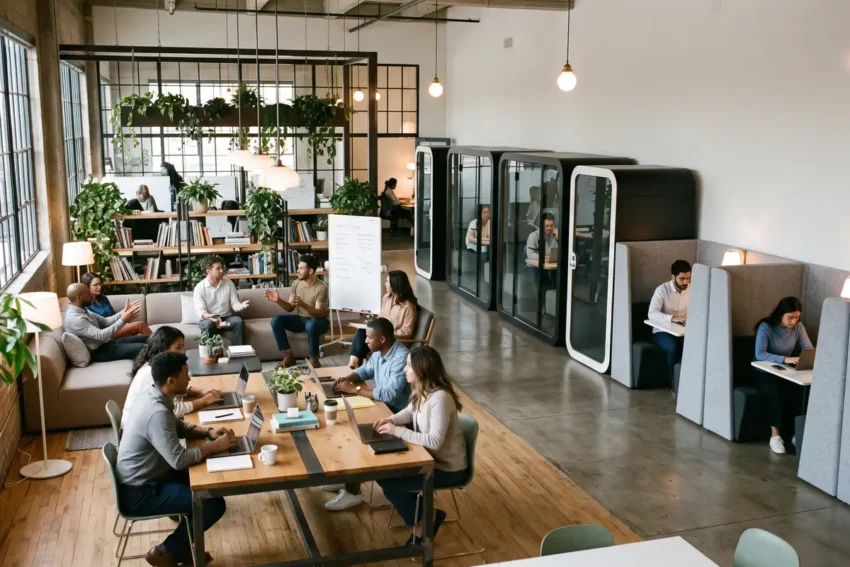
For decades, office design has swung between two extremes. First came closed offices and cubicles, which offered privacy but often felt isolating and hierarchical. Then came the open-plan revolution, with rows of desks, few walls and the promise of collaboration and transparency. But open-plan offices brought their own problems: noise, distractions, lack of privacy and difficulty concentrating.
Today, the most effective workplaces are finding a middle ground. They balance openness, which supports collaboration and connection, with privacy, which allows focused work and confidential conversations. Achieving this balance requires thoughtful planning, flexible spaces and design solutions that support workspace privacy without sacrificing the benefits of an open, connected environment.
Why openness still matters
Open-plan offices became popular for good reasons. They can make collaboration easier, encourage spontaneous conversations and help teams feel more connected. Without walls dividing departments, information can flow more freely, and leaders can be more visible and approachable.
Open spaces also tend to be more flexible and cost-effective. Organisations can fit more people into a smaller footprint and reconfigure layouts more easily as teams grow or change.
For many businesses, especially those that rely on teamwork and creativity, openness remains an important part of workplace culture.
The case for privacy
While openness supports collaboration, it can make focused work difficult. Noise from conversations, phone calls and movement can be distracting. Many employees find it hard to concentrate when they feel constantly visible or interrupted.
Privacy isn’t only about concentration. It’s also about confidentiality and comfort. Employees may need private spaces for sensitive conversations, performance reviews, client calls or personal matters. A lack of privacy can lead to stress and discomfort.
With hybrid work now common, employees often use the office for collaboration and save focused work for home. But offices still need to support concentration for those who come in regularly or need quiet time during busy office days.
Creating a variety of spaces
The key to balancing openness and privacy is offering a mix of spaces that suit different tasks and preferences.
Open workstations work well for collaborative teams and tasks that benefit from interaction. Focus rooms or quiet zones provide spaces for concentrated work, free from distractions. Phone booths and small meeting pods allow private calls and video meetings without disturbing others. Meeting rooms of different sizes support everything from one-on-ones to team workshops. Breakout areas and lounges encourage informal conversations and relaxation.
Activity-based working allows employees to choose the space that best suits their task at any given time. For this approach to work, there need to be enough private spaces to meet demand, along with clear guidelines and booking systems.
Design and acoustic solutions for privacy
Privacy doesn’t always require solid walls. A range of design solutions can create a sense of separation while maintaining openness.
Desk screens and partitions can reduce visual distractions and provide a sense of personal space. Acoustic screens also help absorb sound. Bookshelves, planters and storage units can act as dividers, creating zones without closing off spaces entirely. High-backed sofas and booth seating create semi-private spaces for conversations or quiet work within open areas. Glass partitions maintain visual connection and natural light while reducing noise. Frosted or patterned glass can add privacy where needed.
Furniture layout also matters. Positioning desks away from high-traffic areas and grouping teams thoughtfully can reduce distractions.
Noise is one of the biggest challenges in open offices. Good acoustic design can make a significant difference to comfort and productivity. Acoustic ceiling panels, wall panels, carpet and soft furnishings absorb sound and reduce echo. Upholstered furniture and curtains also help. Sound masking systems, which introduce subtle background noise, can make conversations less intelligible and less distracting. Zoning noisy and quiet activities in different areas helps manage sound. For example, place breakout spaces and kitchens away from focus zones.
Supporting culture and wellbeing
Balancing openness and privacy isn’t just about design. It’s also about culture. Clear etiquette can help everyone use shared spaces respectfully. This might include guidelines for phone calls, using headphones, booking meeting rooms and respecting quiet zones.
Giving employees choice and control over where and how they work can improve satisfaction and wellbeing. People have different work styles and preferences, and a workplace that accommodates these differences is more likely to support productivity.
Involving employees in the design process can help organisations understand their needs and create spaces that people genuinely want to use.
Modern office design is about finding the right balance between collaboration and concentration, openness and privacy. By offering a variety of spaces, using smart design solutions and supporting a respectful workplace culture, organisations can create environments where people can connect, focus and do their best work.