How to File a Flood Damage Insurance Claim: A Step-by-Step Guide
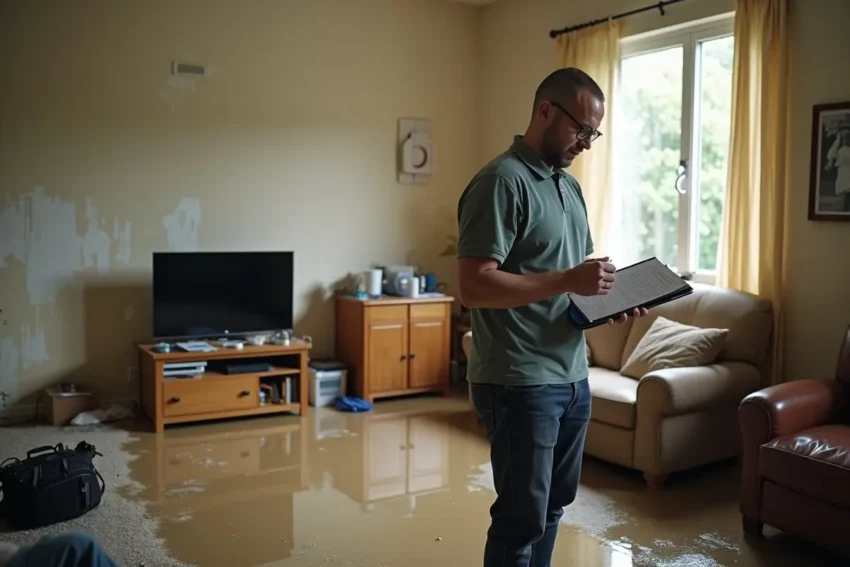
Flood damage can turn your home and life upside down in a matter of moments. Recovering from such a setback often involves navigating the insurance claims process, which can seem daunting. Knowing exactly what to do, when to do it, and how to avoid common pitfalls will help you achieve a smoother recovery. If you are faced with water damage, working with a professional water damage claims adjuster can also provide valuable guidance during this stressful period.
When dealing with the aftermath of a flood, it’s essential to address immediate safety concerns first, then turn your attention to documenting damage and starting your claim. The steps you take in the critical hours and days following an incident impact the outcome of your insurance claim. Clear documentation and understanding your policy are both crucial, so you can restore your property with confidence.
As you navigate repairs and negotiations with insurers, detailed records and reputable professionals can make all the difference. This guide covers everything you need to know, from contacting your provider to finding trusted contractors and protecting your financial interests at every step.
For property owners who need specialized appraisal services or a second opinion, an experienced insurance appraiser in CT can help ensure your claim is accurately valued and settled fairly.
Contact Your Insurance Provider Immediately
The first step after ensuring everyone’s safety and securing the property is to notify your insurance company of the flood damage. Time is of the essence, as prompt reporting can help expedite the claims approval process and possibly give you access to emergency funds. Have your policy number available and provide your insurer with the best way to reach you. Some companies may offer digital claim filing or dedicated disaster claims hotlines.
Document the Damage Thoroughly
Before undertaking any cleanup, meticulously document the damage to your property and possessions. Capture wide shots and close-ups of affected rooms, water levels, and individual items impacted by flooding. Documenting both the extent and precise location of damage helps prevent disputes during the adjustment process. Time-stamped photos and videos are helpful for insurance purposes and may also be useful if you later need disaster relief assistance.
Understand Your Policy Coverage
Take time to thoroughly review your flood insurance policy. Coverage details, such as exclusions, payout limits, and deductibles, can significantly affect what is reimbursed. For example, some policies cover only the structure of your home but not its contents. If you have questions, consult your provider or a qualified insurance adjuster who can clarify your policy and help manage expectations. Familiarizing yourself with what is and is not covered supports better decision-making as you move forward.
Prevent Further Damage
After documenting your losses, it is your responsibility to mitigate additional harm to your property. Reasonable steps, such as removing soaked carpets, boarding up broken windows, or covering exposed areas, are considered prudent. Before starting any large-scale repairs, contact your insurer for guidance to avoid inadvertently jeopardizing your claim. Save receipts and document any emergency repairs with photos to support later reimbursement requests. More in-depth guidance is available from resources like the Ready.gov flood recovery guide.
Work with the Insurance Adjuster
Typically, an insurance adjuster will visit to assess the flood damage and determine the value of your claim. Be present during their inspection so you can point out all observed damages and supply relevant documentation. Keep copies of every document provided to and received from your insurer. Maintain a written record of all communications, including the date, time, and key points discussed, as this comprehensive record can be helpful in resolving disputes or addressing follow-up questions.
Select Reputable Contractors for Repairs
Once your claim is underway, it is time to start collecting estimates for necessary repairs. Seek out multiple estimates from licensed, bonded contractors. Check references, verify credentials, and research reviews using trustworthy sources such as the Better Business Bureau. Avoid paying in full upfront and ensure all agreements, including payment schedules and warranties, are documented in writing. You can protect yourself from shoddy repairs and avoid falling victim to fraud with this approach.
Beware of Potential Scams
Flood recovery periods are unfortunately rife with opportunistic scammers who may try to exploit homeowners. Be extremely wary of unsolicited offers for repair services. Never give out sensitive information or sign contracts under pressure. Confirm credentials for anyone offering services and consult your insurer if you are uncertain about a person’s legitimacy. In the aftermath of a disaster, doing your due diligence is essential to safeguarding both your property and your finances.
Conclusion
Filing a flood damage insurance claim does not need to be overwhelming if you follow a structured approach and keep solid records. By acting quickly, documenting thoroughly, understanding your policy, and hiring reputable professionals, you can navigate the process confidently. Being proactive helps not only speed up your recovery but also maximizes your claim’s potential, supporting a smoother path back to normalcy for you and your family.