Integrating HVAC, Plumbing, and Electrical Services for Home Comfort
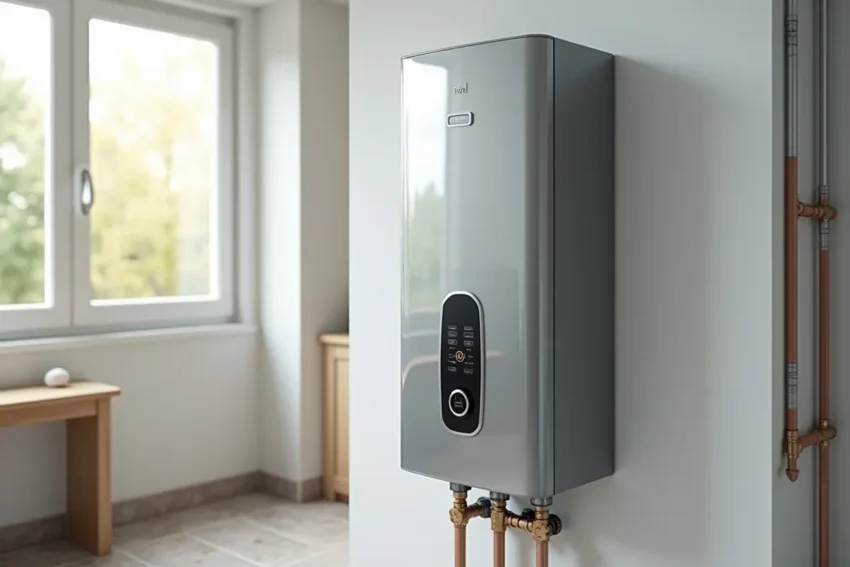
At the heart of any comfortable home lies a reliable water heating system. Far more than just an appliance, a water heater is a critical component of your home’s overall comfort infrastructure, especially for homeowners across the Olympic Peninsula. From the daily morning showers to laundry cycles and dishwashing, the consistent availability of hot water is often taken for granted until it’s gone.
Our goal is to ensure system reliability and meet your daily hot water demand, even amidst the varying climate of Washington state. When considering a new installation or replacement, it’s essential to look beyond just the initial purchase and evaluate factors like long-term durability and appliance lifespan, ensuring your choice contributes to a truly community-focused service experience and aligns with the robust Olympic Peninsula infrastructure.
Optimizing Home Comfort Systems for Large Households
For larger households, hot water demand can quickly escalate into high-demand scenarios, particularly during peak usage periods when multiple fixtures are in use simultaneously. Imagine the challenge of showering, running the dishwasher, and doing laundry all at once in bustling communities like Bremerton, Bainbridge Island, Silverdale, Port Orchard, Gig Harbor, Port Townsend, or Sequim. In such situations, the capacity and recovery rate of your water heater become paramount. A system optimized for these conditions ensures that everyone has access to hot water when they need it, preventing frustrating cold showers and maintaining household harmony.
Future-Proofing Home Comfort Systems with Smart Technology
As we move further into May 2026, the integration of smart technology is revolutionizing how we interact with our home comfort systems. Energy monitoring tools can provide real-time insights into consumption, helping you manage costs more effectively. Leak detection systems offer peace of mind by alerting you to potential issues before they become major problems, safeguarding your home and prolonging system longevity. Smart thermostats, already common for HVAC, are now extending their capabilities to water heaters, allowing for remote control and optimized scheduling. This technological integration not only enhances convenience but also contributes to greater efficiency and reliability, future-proofing your investment against evolving standards and expectations.
Comparing Performance, Recovery, and Efficiency
When weighing the choice between a gas and electric water heater, understanding their fundamental differences in performance, recovery, and efficiency is crucial. These factors directly influence your daily hot water availability and your monthly energy bills.
| Feature | Gas Water Heater | Electric Water Heater |
| Heating Method | Gas burner at the bottom of the tank | Electric resistance heating elements |
| Recovery Rate | 30–45 gallons per hour (Fast) | 14–20 gallons per hour (Slower) |
| Energy Efficiency | 60–70% (up to 80% for high-efficiency models) | 90–95% |
| Standby Heat Loss | Higher due to venting | Lower due to better insulation and no venting |
| Fuel Source | Natural gas or propane | Electricity |
| Lifespan | 8–12 years | 10–15 years |
In contrast, electric water heaters, which rely on heating elements, have a slower recovery rate, usually between 14 and 20 gallons per hour. While sufficient for smaller households or staggered usage, this slower rate can lead to cold showers if multiple people use hot water consecutively.
Energy Efficiency: On paper, electric water heaters often appear more energy-efficient, converting 90-95% of the energy they consume directly into heat. Gas models, while improving, typically operate at 60-70% efficiency, with high-efficiency units reaching up to 80%. This difference in Energy Factor (EF) is largely due to the nature of their operation. Gas water heaters require a ventilation system to expel combustion byproducts, which inevitably leads to some heat loss through the flue.
Electric units, lacking this venting requirement, experience minimal standby heat loss, meaning more of the energy they use goes directly to heating your water. However, “efficiency” in this context refers to how well the appliance converts fuel to heat, not necessarily the operating cost, which is heavily influenced by local utility rates. Understanding the nuances of thermal performance and how it relates to your specific situation is key to making the right choice for your home’s Gas vs electric comfort systems.
Infrastructure, Safety, and Installation Requirements
The choice between a gas and electric water heater is heavily influenced by your home’s existing infrastructure, and each type comes with distinct safety and installation requirements. We prioritize ensuring that any installation meets local building codes and adheres to the highest Olympic Peninsula safety standards.
For gas water heaters, the primary infrastructure requirements include access to a natural gas line or a propane storage tank, along with proper ventilation. Gas models produce combustion byproducts, including carbon monoxide, which must be safely expelled from your home through ventilation flues. This necessitates a clear path for venting, often through a chimney or a dedicated exhaust system, and requires careful installation to prevent leaks or blockages.
Safety features like pilot lights (in older models) or electronic ignition systems (in modern units) are integral, and it’s crucial to have carbon monoxide detectors installed in your home. Regarding power outage reliability, traditional gas water heaters with standing pilot lights can often continue to operate during electrical outages, providing a significant advantage in areas prone to power interruptions. However, many newer, high-efficiency gas models incorporate electronic ignition and controls, meaning they will also cease to function without electricity.
Electric water heaters, on the other hand, require a dedicated 240-volt circuit in your electrical panel. This typically means a simpler installation process if your home already has adequate electrical capacity, as there’s no need for gas lines or complex venting systems. Their installation can be more flexible in terms of placement, as they don’t need to be near a flue. From a safety perspective, electric units eliminate the risks associated with gas leaks or carbon monoxide, though proper electrical wiring and grounding are paramount to prevent electrical hazards. During power outages, electric water heaters, by their nature, will not provide hot water until electricity is restored.
Fuel switching, such as converting from a gas water heater to an electric one or vice versa, is certainly possible but involves significant infrastructure changes and additional costs. Switching from gas to electric would entail capping the existing gas line, removing the venting system, and potentially upgrading your electrical panel to accommodate the new 240-volt circuit. Conversely, moving from electric to gas would require installing a new gas line, a proper venting system, and potentially modifying your home’s structure to support these additions. These conversions are complex and should always be performed by qualified professionals to ensure safety and compliance with all local regulations.
Advanced Alternatives: Tankless and Heat Pump Technology
Beyond traditional tank-style gas and electric water heaters, we encourage homeowners to explore advanced alternatives that can offer enhanced efficiency, convenience, and environmental benefits. Two prominent options are tankless water heaters and heat pump water heaters.
Tankless Water Heaters: These innovative systems, available in both gas and electric variations, provide hot water on-demand, eliminating the need for a large storage tank. When you open a hot water faucet, the unit senses the flow and rapidly heats the water as it passes through, delivering an endless supply. This on-demand heating capability not only means you’ll never run out of hot water but also contributes to significant energy savings by avoiding standby heat loss inherent in tank models. Their compact, wall-mounted design is a major space-saving advantage, making them ideal for smaller homes or areas where space is at a premium. With proper maintenance, tankless units boast an impressive lifespan, often exceeding 20 years, making them a durable long-term investment.
Heat Pump Water Heaters (HPWH): Representing a highly efficient form of electric water heating, heat pump water heaters don’t directly generate heat. Instead, they operate much like a refrigerator in reverse, using electricity to move heat from the surrounding ambient air into the water tank. This process makes them incredibly energy-efficient, often achieving Uniform Energy Factor (UEF) ratings significantly higher than standard electric resistance models.
They are considered an eco-conscious solution, as they can dramatically reduce electricity consumption and, consequently, your carbon footprint, especially when integrated with renewable energy sources. While they require a minimum amount of air space to operate effectively and perform best in moderate climates, hybrid technology versions can switch to standard electric resistance heating when ambient temperatures are too low or hot water demand is exceptionally high.
For those committed to reducing their greenhouse gas emissions, these advanced options offer compelling advantages. High-efficiency gas models have also made strides in recent years, providing another pathway to more environmentally responsible hot water production within the gas framework. The choice among these alternatives depends on your specific needs, climate, and commitment to energy efficiency and environmental impact.
Frequently Asked Questions about Home Comfort Systems
We often receive questions from homeowners about the best water heating solutions for their needs. Here, we address some of the most common inquiries to help you make an informed decision for your home comfort system.
Which water heater type is more reliable during a power outage?
When it comes to power outages, reliability varies significantly between water heater types. Traditional gas models equipped with standing pilot lights typically continue to function, providing hot water even when the electricity is out. This is because their operation does not depend on an electrical supply for ignition or controls. However, most modern gas water heaters, especially high-efficiency models, utilize electronic ignition systems and digital controls. These units, like all electric water heaters, require a power source to operate and will cease to provide hot water during an outage. Therefore, if uninterrupted hot water during power failures is a top priority, a traditional gas model with a standing pilot light would be the most reliable choice.
How do the lifespans of gas and electric water heaters compare?
As of May 2026, the expected lifespans for water heaters vary by type. Electric tank models generally offer a longer lifespan, typically lasting between 10 to 15 years. Gas tank models, while efficient in recovery, tend to have a slightly shorter lifespan, usually ranging from 8 to 12 years. This difference can often be attributed to the corrosive nature of combustion byproducts and the heat cycling experienced by gas units.
However, it’s important to note that advanced alternatives like tankless water heaters, whether gas or electric, can significantly exceed these figures, often lasting 20 years or longer with diligent maintenance. Regular professional maintenance, regardless of type, plays a crucial role in maximizing any water heater’s operational life.
Is it feasible to switch from a gas to an electric water heater?
Yes, it is entirely feasible to switch from a gas water heater to an electric one, or vice versa, but it’s a project that involves significant infrastructure changes and should be carefully planned. If you’re converting from gas to electric, the existing gas line will need to be professionally capped, and the ventilation system (flue) will become redundant. Critically, your home’s electrical system will need to be assessed to ensure it can support a new dedicated 240-volt circuit for the electric water heater.
This often necessitates an electrical panel upgrade, especially in older homes, to safely accommodate the increased electrical load. Conversely, switching from electric to gas requires installing a new gas line, a proper venting system, and potentially structural modifications. Both types of conversions are complex and require the expertise of licensed plumbers and electricians to ensure safety, compliance with local codes, and optimal performance.
Conclusion
Navigating the choice between a gas and electric water heater, or exploring advanced alternatives like tankless and heat pump systems, is a key decision for any homeowner. The “better” option is rarely universal; instead, it hinges on a careful evaluation of your home’s existing infrastructure, your household’s hot water demand, local utility rates, and your personal priorities regarding upfront costs, operating expenses, and environmental impact.
Achieving optimal home comfort system integration, particularly for Olympic Peninsula homeowners, means making an informed decision that aligns with your specific needs. Whether you prioritize reliable hot water during power outages, seek the highest energy efficiency, or aim to maximize your long-term home value, understanding these distinctions is paramount. We always recommend consulting with experienced professionals to assess your unique situation and guide you toward the ideal solution. Professional maintenance, regardless of your choice, is also crucial for ensuring the longevity and efficient operation of your water heating system, providing consistent comfort for homes across Kitsap County, Pierce County, Clallam County, Jefferson County, and Mason County.