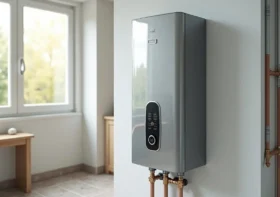
Premium HVAC Installations for Modern Homes
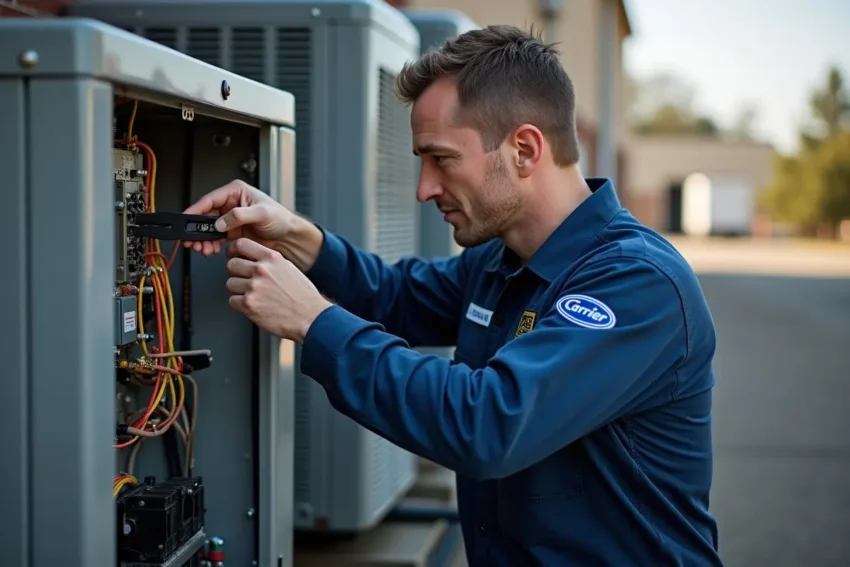
In the bustling metropolis of Dallas, maintaining an ideal indoor environment is crucial for modern homes and businesses. The intense summer heat and occasional winter chills demand more than just basic climate control. Many property owners face challenges with outdated systems, leading to inconsistent temperatures, high energy costs, and compromised air quality. This article dives into how premium climate solutions, including the best options for Luxury Carrier HVAC Dallas, offer a sophisticated answer to these needs. We will explore advanced installations designed for superior comfort, efficiency, and longevity, ensuring your space remains perfectly conditioned year-round.
To learn more about optimizing your home’s climate control, explore our Pillar Page or begin your journey to ultimate comfort by visiting our Services Page.
For homeowners in Dallas, the decision to invest in a luxury HVAC system extends far beyond simply heating and cooling. It’s about curating an unparalleled indoor environment that reflects their lifestyle and values. The Texas climate, with its scorching summers and unpredictable winter cold snaps, demands a robust and intelligent climate control solution.
A luxury HVAC system, particularly those from a reputable brand like Carrier, offers a suite of benefits that elevate home comfort to an art form. We’re talking about consistent, perfectly modulated temperatures throughout every room, whisper-quiet operation that preserves the tranquility of your home, and an energy efficiency profile that significantly reduces utility costs.
Choosing a premium system is a strategic long-term investment. It not only enhances the daily living experience but also contributes positively to the property’s overall value. Modern luxury homes are designed with meticulous attention to detail, and their climate control systems should be no exception.
These advanced systems are engineered to integrate seamlessly into sophisticated home designs, providing precise temperature control and optimal humidity levels without being seen or heard. They transform a house into a true sanctuary, ensuring that every moment spent indoors is one of pure comfort and well-being. This commitment to superior home comfort, energy efficiency, and a quiet, consistent indoor climate is what drives discerning homeowners to select luxury HVAC solutions for their Dallas properties.
Engineering a Premium HVAC Experience
The foundation of a truly premium HVAC experience lies in cutting-edge engineering and a legacy of innovation. Carrier, a brand synonymous with pioneering air conditioning, has been at the forefront of climate control technology for over a century, since Willis Carrier invented modern air conditioning in 1902. This heritage of innovation continues to shape the capabilities of today’s luxury HVAC systems.
One of the most significant advancements is variable-speed technology. Unlike traditional single-stage systems that operate at full capacity or off, variable-speed compressors and fans can precisely adjust their output to match the exact heating or cooling demand. This means fewer on/off cycles, leading to incredibly consistent temperatures, enhanced energy efficiency, and dramatically quieter operation. Imagine a system that gently maintains your desired temperature, rather than blasting hot or cold air intermittently.
Another critical component, especially in humid Dallas summers, is superior humidity control. Luxury systems are designed to actively manage indoor humidity levels, preventing that clammy feeling and inhibiting the growth of mold and mildew. This not only improves comfort but also contributes to a healthier indoor environment.
Furthermore, advanced zoning systems allow for individualized temperature control in different areas or “zones” of your home. Why cool or heat an unused guest room to the same degree as your living area? Zoning enables personalized comfort settings for various spaces, reducing energy waste and ensuring everyone in the household can enjoy their preferred climate. These engineering marvels work in concert to deliver an unparalleled level of comfort and efficiency, defining what a premium HVAC experience truly means.
The Environmental Benefits of High-Efficiency Systems
Beyond personal comfort and cost savings, opting for high-efficiency luxury HVAC systems offers substantial environmental benefits, aligning with the growing demand for sustainable home design. In July 2026, with increasing awareness of climate change and energy conservation, the environmental footprint of our homes is a paramount consideration.
High-efficiency systems are primarily characterized by their Seasonal Energy Efficiency Ratio 2 (SEER2) ratings. SEER2 is a metric that measures the cooling efficiency of an air conditioner or heat pump over an entire cooling season, with higher numbers indicating greater efficiency.
Since January 2023, new regulatory standards have pushed for even higher minimum SEER2 ratings, meaning modern high-efficiency units are more eco-friendly than ever. By consuming less energy to achieve the same or superior cooling and heating, these systems directly contribute to a significant carbon footprint reduction. Less electricity generated means fewer greenhouse gas emissions released into the atmosphere.
Moreover, the HVAC industry is continuously evolving towards more eco-friendly refrigerants. Manufacturers are actively transitioning away from older refrigerants with high global warming potential to newer, more environmentally benign alternatives. Luxury systems often incorporate these cutting-edge refrigerants, further minimizing their ecological impact.
Integrating a high-efficiency HVAC system is a cornerstone of sustainable home design. It’s a conscious choice to invest in technology that not only provides superior comfort but also operates responsibly, conserving natural resources and contributing to a healthier planet. This commitment to environmental stewardship makes luxury HVAC an intelligent and ethical choice for modern Dallas homeowners.
Designing Whole Home Luxury Climate Solutions in Dallas-Fort Worth
Designing a whole-home luxury climate solution in the Dallas-Fort Worth Metroplex goes far beyond simply installing a powerful air conditioner or furnace. It’s about creating a holistic indoor environment that is perfectly tailored to the unique demands of the region’s climate and the sophisticated preferences of homeowners. This comprehensive approach considers every aspect of indoor living, from the air you breathe to the subtle scents that define your home’s ambiance.
A key focus is always on superior indoor air quality (IAQ). Given Dallas’s seasonal allergens, urban pollutants, and humidity, a luxury system actively purifies and conditions the air, ensuring it’s not just cool or warm, but also clean and healthy. Seamless smart home integration is another hallmark, allowing homeowners intuitive control over their climate, lighting, security, and entertainment systems from a single interface or even remotely. Imagine adjusting your home’s temperature, air purification, and even scenting from your smartphone before you even arrive.
Custom duct design is fundamental to achieving optimal performance and architectural aesthetics. In luxury homes, ductwork is meticulously planned and installed to ensure even airflow, minimal noise, and discreet integration into the home’s structure. This prevents hot or cold spots, eliminates drafts, and ensures that the HVAC system complements, rather than detracts from, the home’s exquisite design. Every element is carefully considered to deliver an invisible yet omnipresent blanket of comfort throughout the entire residence.
Integrating Advanced Air Purification and Air Scrubbers
In the quest for ultimate home luxury, the quality of the air we breathe has become a paramount concern. Advanced air purification and air scrubber technologies are integral components of a premium HVAC system, offering a level of indoor air quality that far surpasses conventional filtration. For Dallas homeowners, where seasonal allergies and urban air quality can be a concern, these systems are not just a luxury but a necessity for a healthy home environment.
Air scrubbers, often installed directly into the HVAC system’s ductwork, actively work to neutralize pollutants, odors, and pathogens throughout the home. Unlike passive filters, these devices release purifying agents into the air, effectively reducing airborne contaminants like bacteria, viruses, mold, and volatile organic compounds (VOCs). VOCs, often emitted from common household products like paints, cleaning supplies, and furnishings, can significantly impact indoor air quality.
Complementing air scrubbers are high-efficiency particulate air (HEPA) filtration systems. While standard HVAC filters capture larger dust particles, HEPA filters are capable of trapping microscopic particles, including pet dander, pollen, dust mites, and even some viruses, with an efficiency of 99.97% for particles 0.3 microns in size. This level of filtration is crucial for allergen elimination, providing significant relief for allergy sufferers and contributing to a generally healthier living space for everyone.
By integrating these advanced technologies, a luxury HVAC system ensures that the air circulating through your home is not only temperature-controlled but also remarkably clean and fresh. This holistic approach to indoor air quality creates a truly healthy home environment, allowing residents to breathe easier and enjoy a higher quality of life.
Elevating Ambience with Premium Home Scenting Solutions
The concept of luxury extends beyond visual aesthetics and tactile sensations; it encompasses the full sensory experience, including scent. Premium home scenting solutions are an innovative addition to luxury climate systems, designed to elevate the ambiance of your Dallas home to an unprecedented level. Inspired by the sophisticated scenting strategies found in high-end hotels and luxury retail spaces, these systems bring a curated olfactory experience directly into your living environment.
These advanced scenting systems typically integrate seamlessly with your existing HVAC ductwork. Utilizing sophisticated technology, they disperse ultra-fine, aerosolized micro-droplets of fragrance throughout the home. This method ensures a consistent, subtle, and long-lasting scent, avoiding the overpowering or uneven distribution often associated with traditional air fresheners or candles. The result is a harmonious and inviting atmosphere that enhances the overall sense of comfort and well-being.
Homeowners can choose from a vast array of customized home fragrances, ranging from crisp, invigorating citrus notes to warm, comforting woody aromas, or even seasonal blends. The ability to select and change scents allows for a personalized ambiance that can adapt to different moods, occasions, or times of the year. This bespoke approach to scent diffusion transforms your home into a truly immersive sensory experience, providing that distinctive “luxury hospitality feel” every day. It’s a subtle yet powerful way to differentiate your living space and create an environment that is uniquely yours, adding another layer to the comprehensive luxury climate solution.
Ensuring Uninterrupted Comfort with Whole-Home Backup Generators
In the Dallas-Fort Worth area, power outages, whether due to severe weather or grid strain, are an unfortunate reality. For homeowners who demand uninterrupted comfort and security, a whole-home backup generator is an indispensable component of a luxury climate solution. This critical addition ensures that your meticulously designed indoor environment remains perfectly conditioned, regardless of external power disruptions.
A whole-home generator operates automatically. The moment utility power is lost, an intelligent automatic transfer switch instantly detects the outage and seamlessly switches your home’s electrical load to the generator. Within seconds, your luxury HVAC system, along with all other essential appliances and systems, is powered back on. This means continuous climate control, ensuring your home remains cool during a sweltering summer blackout or warm during an unexpected winter freeze.
Beyond maintaining ideal temperatures, the benefits extend to preserving food in refrigerators and freezers, keeping security systems operational, and ensuring essential medical equipment remains powered. The peace of mind that comes with knowing your home and family are protected during an outage is invaluable. There’s no need to manually start anything, refuel small portable generators, or worry about the comfort and safety of your loved ones. A whole-home backup generator is the ultimate safeguard for your investment in luxury living, ensuring that comfort, convenience, and critical services are always available, come what may.
Selecting a Premier Partner for Luxury HVAC Installation
The performance and longevity of any luxury HVAC system, particularly a sophisticated Carrier unit, are intrinsically linked to the quality of its installation. Choosing a premier partner for this critical task is as important as selecting the equipment itself. In the Dallas market, where specialized expertise is paramount, discerning homeowners seek providers who offer more than just installation – they seek a comprehensive, concierge-level service experience.
A premier partner distinguishes themselves through a commitment to excellence at every stage. This begins with employing NATE-certified technicians. NATE (North American Technician Excellence) certification is the leading certification program for HVAC technicians, signifying that these professionals have proven their knowledge through rigorous, nationally recognized tests. This ensures that your system is handled by highly skilled, knowledgeable, and experienced individuals who understand the intricacies of advanced HVAC technology.
Furthermore, a top-tier provider excels in custom system design. They don’t offer one-size-fits-all solutions but rather engineer a bespoke climate control system that perfectly matches your home’s unique architecture, insulation, window efficiency, and lifestyle needs. This meticulous approach ensures optimal performance, efficiency, and comfort. We ensure our team is properly licensed and insured, adhering to the highest industry standards for every installation. Our commitment to meticulous installation standards means every connection, every duct run, and every component placement is executed with precision, guaranteeing your luxury system operates as intended for years to come.
The Importance of Specialized Technical Analysis
The success of a luxury HVAC installation hinges on a thorough and specialized technical analysis of your home. This isn’t a task for guesswork; it requires precise calculations and diagnostic assessments to ensure the system is perfectly sized and configured. A premier HVAC partner in Dallas understands that every home is unique, and a generic approach simply won’t suffice for a premium climate solution.
One of the most critical steps is performing detailed load calculations. This involves a comprehensive assessment of your home’s specific heating and cooling requirements, taking into account factors like square footage, ceiling height, window types and orientation, insulation levels, and even the number of occupants. Industry-standard methodologies, such as Manual J, are employed to determine the precise BTU (British Thermal Unit) capacity needed. This prevents common issues like oversizing, which leads to short-cycling, poor humidity control, and wasted energy, or undersizing, which results in inadequate comfort during extreme weather.
Beyond sizing, airflow diagnostics are crucial. Technicians meticulously evaluate the existing or proposed ductwork to ensure proper sizing, sealing, and routing. Leaky or improperly designed ductwork can account for significant energy loss and uneven temperature distribution. Advanced tools are used to measure static pressure and airflow velocity, ensuring that conditioned air reaches every corner of your home efficiently and quietly.
Finally, system optimization involves fine-tuning all components to work in perfect harmony. This includes calibrating thermostats, adjusting fan speeds, and verifying refrigerant charge. This specialized technical analysis is the bedrock upon which a truly high-performing, efficient, and comfortable luxury climate system is built, ensuring every aspect of your investment delivers maximum value.
What to Expect from Concierge-Level Service
When investing in a luxury HVAC system for your Dallas home, the service you receive should be as premium as the equipment itself. Concierge-level service defines this elevated standard, ensuring a seamless, stress-free, and highly personalized experience from start to finish. It’s about more than just technical expertise; it’s about a commitment to exceptional customer care and attention to detail.
You can expect tailored consultations that delve deep into your specific needs, preferences, and lifestyle. Our experts take the time to understand your vision for home comfort, offering bespoke recommendations rather than generic solutions. This personalized approach ensures the final system design perfectly aligns with your expectations and your home’s unique requirements.
Prompt response is a hallmark of concierge service. Whether it’s an initial inquiry, a scheduled appointment, or an unexpected service need, you can anticipate timely communication and efficient scheduling. We understand that your time is valuable, and we strive to minimize any disruption to your daily routine. This responsiveness extends to providing clear, concise explanations of all work performed and answering any questions you may have with patience and clarity.
Furthermore, a premier partner offers robust property protection guarantees. This means our technicians treat your home with the utmost respect, laying down protective coverings, cleaning up thoroughly after every visit, and ensuring no damage occurs during installation or service. The focus is on leaving your property in pristine condition, if not better than we found it.
Concierge-level service culminates in seamless project management. From the initial design phase through installation, final calibration, and ongoing support, every step is meticulously coordinated and executed. This comprehensive approach ensures a smooth, efficient process, allowing you to enjoy your new luxury climate system with complete peace of mind, knowing every detail has been expertly handled.
Maintaining the Lifespan of Your Premium Climate Investment
A luxury HVAC system is a significant investment in your home’s comfort, health, and value. Like any high-performance asset, it requires diligent care and maintenance to ensure its optimal operation and extend its lifespan. In the demanding Dallas climate, where systems work tirelessly through extreme temperatures, preventive maintenance is not merely recommended—it’s essential. Neglecting regular service can lead to decreased efficiency, premature component failure, and costly emergency repairs, undermining the very benefits you invested in.
A proactive approach to system care involves regular inspections and tune-ups designed to catch potential issues before they escalate. This includes predictive diagnostics, where skilled technicians use advanced tools and their expertise to anticipate problems based on system performance data and component wear. By identifying and addressing minor issues early, you can avoid major breakdowns, especially during peak heating or cooling seasons.
Proper maintenance directly contributes to system longevity. A well-maintained Carrier unit, for example, can reliably serve your home for fifteen to twenty years, or even longer, when cared for meticulously. This extends the return on your initial investment, ensuring you continue to enjoy peak performance and energy efficiency throughout its operational life. Seasonal tune-ups, specifically tailored for the intense Dallas summers and chilly winters, prepare your system for the challenges ahead, optimizing its performance and ensuring consistent comfort year-round. This commitment to ongoing care is the cornerstone of preserving your premium climate investment.
The Ideal Maintenance Schedule for High-End Systems
To truly maximize the performance, efficiency, and lifespan of your high-end luxury HVAC system, adhering to an ideal maintenance schedule is crucial. For homes in the Dallas-Fort Worth Metroplex, a bi-annual inspection routine is highly recommended to prepare your system for the extreme demands of both summer and winter.
Typically, a comprehensive tune-up should be scheduled in the spring, before the intense Dallas summer heat sets in, to ensure your cooling system is operating at peak efficiency. A second inspection in the fall will prepare your heating system for the cooler months. During these visits, technicians perform a series of vital checks and adjustments:
- Filter Replacement: Clean filters are paramount for both indoor air quality and system efficiency. Technicians will replace or thoroughly clean air filters, ensuring optimal airflow and preventing dust and allergens from circulating.
- Coil Cleaning: Evaporator and condenser coils can accumulate dirt and debris over time, significantly reducing efficiency and heat transfer capabilities. Professional cleaning restores their performance, preventing strain on the compressor.
- Electrical Checks: All electrical connections, capacitors, and contactors are inspected for wear, corrosion, or loose wiring. This ensures safe operation and prevents potential electrical failures that could damage the system.
- Refrigerant Level Verification: For cooling systems, the refrigerant charge is checked to ensure it’s at the manufacturer’s specified level. Incorrect refrigerant levels can severely impact efficiency and cooling capacity.
- Performance Calibration: Technicians calibrate thermostats for accuracy, check fan motor operation, and assess overall system performance against factory specifications. This fine-tuning ensures your system delivers precise temperature control and optimal energy efficiency.
This rigorous maintenance schedule not only preserves your manufacturer’s warranty but also provides peace of mind, knowing your luxury climate system is always ready to deliver unparalleled comfort and air quality.
Troubleshooting Common Premium System Inquiries
Even the most advanced luxury HVAC systems can occasionally present minor issues. While professional service is always recommended for complex problems, understanding how to troubleshoot common inquiries can save time and help you identify when to call a technician. For Dallas homeowners, a few simple checks can often resolve minor inconveniences before requiring a service call.
One frequent inquiry relates to thermostat calibration or functionality. If your system isn’t responding as expected, first ensure the thermostat is set to the correct mode (heat, cool, auto) and temperature. Check if the batteries need replacing in wireless units. For smart home-integrated thermostats, verify that your Wi-Fi connection is stable and that the thermostat is properly connected to your home network. Sometimes, a simple reset of the thermostat or your home router can re-establish connectivity.
Another common issue involves airflow obstructions. Check all supply vents and return air grilles throughout your home to ensure they are open and unobstructed by furniture, curtains, or debris. A clogged air filter is a very common culprit for reduced airflow and diminished performance; ensure it’s clean or recently replaced according to your maintenance schedule.
For systems that seem to be running but not effectively cooling or heating, listen for unusual noises or check for ice buildup on the outdoor unit or refrigerant lines. These are clear indicators that a professional technician is needed. Proactive system checks, such as observing any unusual smells (like burning or musty odors) or visible leaks around your indoor unit, can also help in early detection of problems. While these basic steps can address simple issues, luxury systems are complex. If a problem persists after these preliminary checks, it’s always best to contact a qualified HVAC professional to diagnose and resolve the issue correctly.
Frequently Asked Questions About Luxury HVAC
What distinguishes a luxury HVAC system from a standard heating and cooling setup?
A luxury HVAC system offers a significantly enhanced level of comfort, efficiency, and control compared to a standard setup. Key distinctions include custom zoning capabilities, allowing for individualized temperature control in multiple areas of the home, which is far beyond the single-zone control of most basic systems. They feature variable-speed technology in compressors and fans, enabling precise temperature modulation, quieter operation, and superior humidity control, as opposed to the less efficient on/off operation of standard units.
Luxury systems also integrate advanced indoor air quality (IAQ) solutions, such as whole-home air scrubbers, HEPA filtration, and UV lights, providing medical-grade air purification that standard systems typically lack. Furthermore, they are often designed for seamless architectural aesthetics, with discreet vents and smart home integration, and operate with whisper-quiet efficiency, creating an unobtrusive and supremely comfortable environment.
Home scenting and air scrubbers are designed for seamless integration directly into the ductwork of a premium HVAC system, ensuring whole-home coverage and consistent performance. Air scrubbers are typically installed in the supply plenum of the HVAC system, where they actively release purifying oxidizers into the airstream. These oxidizers then travel throughout the ductwork and into the conditioned spaces, actively neutralizing pollutants, odors, viruses, bacteria, and volatile organic compounds (VOCs) at a molecular level.
This provides continuous molecular odor elimination and air purification. Similarly, premium home scenting systems are installed within the ductwork, using advanced diffusion technology to disperse ultra-fine, aerosolized micro-droplets of fragrance throughout the home. This method ensures an even, subtle, and long-lasting scent that can be customized and often automated through the HVAC system’s controls or a smart home interface, providing a luxurious and personalized ambiance.
What is the typical lifespan of a high-efficiency luxury climate system?
The typical lifespan of a high-efficiency luxury climate system, such as a Carrier unit, is generally between fifteen and twenty years. However, this longevity is highly dependent on several crucial factors. Regular preventive maintenance is paramount; systems that receive bi-annual professional tune-ups and inspections tend to last significantly longer than those that are neglected. Professional calibration and timely component upgrades also play a vital role.
This includes ensuring proper refrigerant levels, clean coils, functional electrical components, and addressing any minor issues before they escalate. Systems installed correctly from the outset, with accurate load calculations and proper ductwork, also contribute to a longer lifespan as they operate under less stress. While the initial investment in a luxury system is higher, its extended operational life, coupled with superior efficiency and comfort, offers excellent long-term value.
Conclusion
Investing in a whole-home luxury climate system for your Dallas property is a commitment to unparalleled comfort, health, and sophistication. From the innovative engineering of variable-speed technology and advanced humidity control to the precise personalization offered by zoning systems, these solutions redefine what it means to be comfortable indoors.
Beyond temperature, the integration of advanced air purification, air scrubbers, and even premium home scenting creates an environment that is not only perfectly conditioned but also exceptionally clean, healthy, and inviting. The added security of whole-home backup generators ensures that this premium comfort remains uninterrupted, regardless of external circumstances.
Choosing a premier partner for installation is crucial, guaranteeing that your high-efficiency Carrier system is meticulously designed and installed by NATE-certified professionals dedicated to concierge-level service. This expert partnership extends to ongoing preventive maintenance, which is essential for preserving the lifespan, efficiency, and value of your significant climate investment. A luxury HVAC system is more than just equipment; it’s an integral component of a modern, high-value home, delivering innovative climate technology and long-term peace of mind.