Trends in Collaborative Home Construction
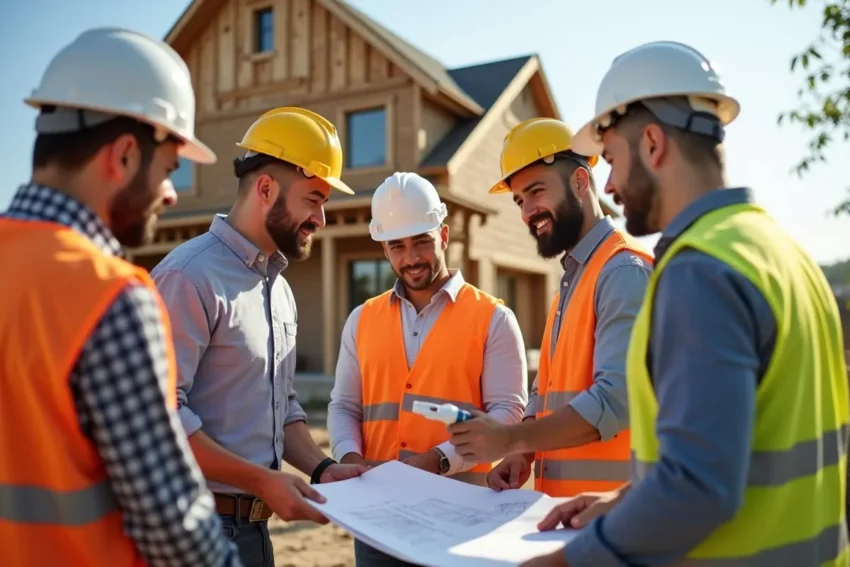
Home construction is experiencing a notable transformation as collaboration becomes central to building projects that prioritize efficiency, sustainability, and innovation. By embracing cooperative approaches, industry professionals are meeting modern challenges and raising the standard for new homes. Whether through new technologies or evolving project management philosophies, collaborative methods are changing how we build.
This new era of construction often involves the design build construction approach, which brings together designers, builders, and, in some cases, homeowners into a unified project team. This shift is evident in everything from how teams communicate to how entire neighborhoods are planned and developed.
Collaboration is not limited to contractors or architects but extends to every stakeholder involved in the process. As demands for faster builds, greater customization, and greener homes increase, working together effectively has never been more important. Homeowners are no longer just passive observers.
Their involvement is encouraged as part of a broader strategy to deliver bespoke living spaces that serve long-term needs while remaining adaptable for future generations. These new practices are supported by advances in both methodology and technology, ensuring that every contributor has a voice and a role in shaping the outcome. The result is a dynamic industry evolving to keep pace with consumer expectations and global sustainability challenges.
Design-Build Methodology
Traditionally, home construction split design and building into two distinct phases. Today, the design-build model streamlines the process by assigning one entity responsibility for both. This integrated approach reduces miscommunication and project delays, leading to faster completion and greater efficiency.
Recent studies have shown significant growth in the use of design-build, with many industry leaders crediting its success to improved communication and better alignment between project stakeholders. More importantly, the design-build process provides homeowners and professionals with clearer insight into costs and scheduling, thereby enhancing overall satisfaction.
Digital Collaboration Tools
Digital platforms are revolutionizing how construction teams interact. Real-time updates, cloud-based document storage, and instant communication apps are reducing traditional friction and misunderstandings. By centralizing information, digital tools help streamline everything from architectural drawings to site scheduling, keeping everyone on the same page and reducing costly errors or rework.
As construction projects grow in complexity, software such as BIM (Building Information Modeling) and project management platforms are now essential for fostering collaboration and improving workflow transparency.
Modular and Prefabricated Construction
Modular and prefabricated building techniques are rapidly gaining popularity due to their impact on efficiency and sustainability. Prefabrication involves building components off-site and then assembling them at the project location, drastically reducing construction time and on-site disruptions. According to a report from McKinsey & Company, these methods can speed up build times by 20 to 50 percent while decreasing material waste and ensuring consistent quality across every element of the home.
Sustainable Building Practices
Sustainability is now a must-have feature for new construction rather than a niche trend. Homebuilders are prioritizing eco-friendly materials, energy-efficient designs, and comprehensive green certification for modern properties.
The Green & Resilient Single-Family Homes 2026 report highlights a growing number of professionals designing almost all their projects to meet rigorous green criteria, reflecting how environmental stewardship has become central to industry values. For further reading on the impact and future of green building, visit Forbes’ coverage of sustainable construction.
AI Integration in Construction
Artificial Intelligence is reshaping the construction sector by offering predictive analytics, automating routine tasks, and optimizing project resource allocation. More than one-third of construction professionals now use AI, primarily to save time and minimize human error. These tools are proving vital in risk assessment, material procurement, and project outcome forecasting, making AI an integral component of forward-thinking home construction firms seeking to reduce time and costs.
Homeowner Involvement in Design
The modern homeowner plays an active role in the homebuilding process. Builders now encourage client participation from the start, helping to create more personalized and functional living spaces. This collaborative engagement ensures that design decisions reflect unique preferences, lifestyles, and future needs, ultimately resulting in higher homeowner satisfaction and homes better suited to withstand environmental changes and evolving family requirements.
Challenges in Collaborative Construction
Increased collaboration is not without its obstacles. Coordinating diverse groups, managing complex tasks, and maintaining open communication can present challenges. Addressing these difficulties requires robust project management strategies and a culture rooted in trust and common goals. Integrated approaches such as design-build and Integrated Project Delivery (IPD) are proving effective at aligning teams and streamlining operations, benefiting owners, builders, and clients alike.
Future Outlook
The future of collaborative home construction is centered on ongoing technological innovation, deeper integration of sustainable practices, and even more client-focused design. As trends evolve, the construction industry is set to deliver homes that not only meet rigorous safety and quality standards but also reflect modern values, functional needs, and environmental consciousness. The ongoing shift towards more cooperative models ensures adaptability and resilience, providing a template for higher-performing, future-ready homes.
Conclusion
Collaborative approaches are redefining home construction by integrating technology, sustainability, and shared expertise into a more cohesive, efficient process. From integrated methodologies like design-build to the use of digital tools, prefabrication, and artificial intelligence, the industry is moving toward smarter and more adaptive building practices.
Active homeowner participation further strengthens these outcomes, ensuring that homes are not only functional but also tailored to evolving needs. While challenges remain, the continued focus on communication, innovation, and teamwork positions collaborative construction as the foundation for building resilient, efficient, and future-ready homes.