Rising Challenges of Water Damage in Homes
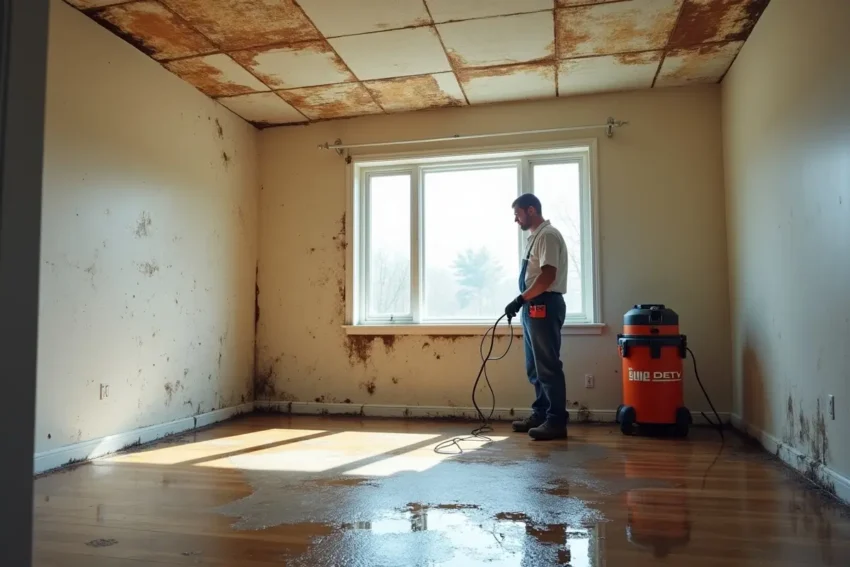
Across the United States, more homeowners are facing unexpected and costly water damage. In places like the South Shore and Cape Cod, stronger storms and unpredictable weather are common causes of these problems. Many property owners have experienced a sudden increase in damage to plumbing, basements, and roofs.
In recent years, data show that claims for water-related losses are on the rise, especially in areas frequently hit by extreme weather. For residents looking to recover from such events, water damage restoration South Shore and Cape Cod services are essential tools for fixing and protecting their homes.
Modern homes are facing more pressure from weather events and aging infrastructure. When rainstorms intensify or snow melts quickly, basements can flood, and pipes may burst. Water can go unnoticed for days, especially behind walls or under floors, making repairs more difficult and expensive. Older homes are most at risk, but even newly built properties can experience these challenges if they are not designed for the current climate.
As families search for ways to protect their properties, the need for effective prevention and recovery methods grows. Insurance data confirms that water damage is not only more common but also more expensive to handle. The impacts go beyond repairs, affecting property values and even residents’ health if mold and mildew begin to grow inside the home.
When water problems are caught early, homeowners can avoid much of this damage. That is why water leak detection South Shore and Cape Cod services have become so important for property owners hoping to avoid large repair bills in the future.
Climate Change: A Catalyst for Increased Risks
Climate change is not just a distant concern. It is already affecting homeowners across the nation. Heavier rainfall, sudden temperature swings, and more frequent storms are making it difficult for houses to withstand the elements. These changes can lead to burst pipes in the winter and flooded basements in the spring.
Even well-built homes are experiencing more water issues due to these weather trends. Scientists predict that if temperatures continue to rise, these problems will only get worse in the coming years. Homeowners will need to be extra careful about maintaining their properties and upgrading their systems to handle increased moisture and flooding.
Financial Implications for Homeowners
Water damagecan be a heavy financial burden. A single leak can cost thousands of dollars to fix, especially if the water reaches the foundation or leads to structural problems. When mold starts to form, the cost of cleaning and repairs increases further. On top of the money spent on repairs, homeowners may see their property values drop or even face higher insurance premiums.
In some areas, insurance companies are withdrawing from high-risk areas, leaving property owners without coverage or paying inflated rates for limited protection. According to The New York Times, this trend is becoming increasingly common as water-related damage increases nationwide.
Proactive Measures to Mitigate Risks
The good news is that homeowners are not without solutions. Regular home maintenance is one of the best ways to keep water out. Checking gutters, roofs, and pipes at least twice a year can prevent small problems from turning into disasters. It is also smart to look for signs of leaks under sinks, near appliances, and in basements.
Upgrading old pipes and appliances, especially those more than 10 years old, can reduce the risk of water leaks. Investing in water-detection systems, such as smart sensors, can alert you to leaks before they become a major problem.
Understanding Insurance Coverage
Insurance policies for water damageare often confusing, leaving many homeowners without the protection they need. Most basic homeowner policies do not cover damage from slow leaks or neglect. This means that if an old pipe finally gives out or a roof leak develops over months, you may not be covered.
It is very important to review your policy carefully and ask your provider if you need extra coverage for water damage. Updating your policy now, before a problem starts, can help avoid major out-of-pocket expenses later. For more information on what your policy might cover, visit consumer resources such as Consumer Reports.
The Role of Technology in Prevention
Technology is making it easier to prevent water damage before it starts. Smart home devices can now monitor moisture levels, detect leaks, and even shut off your main water supply automatically if something unusual is detected.
These sensors are more affordable than ever and can be installed in problem areas, such as crawl spaces or behind appliances. Many will send alerts to your phone, which is especially useful if you travel or have a second property to watch over. Investing in these systems can mean catching a small drip before it turns into a major flood, saving you money and worry.
Community and Government Initiatives
It is not just individual homeowners taking action. Towns and cities, especially in flood-prone regions, are launching programs to help residents protect their properties. Some local governments offer financial help or advice on upgrading old plumbing, while others enforce stricter building codes to make homes more resistant to water damage.
Getting involved in community planning, attending informational sessions, and staying updated on local initiatives can provide valuable resources. National organizations like FEMA also offer guidance on protecting homes from flooding and storm damage.
Conclusion
As water damage becomes an even greater threat, homeowners must stay informed and take proactive steps. Learning how weather and climate affect your region, investing in the right technologies, and understanding your insurance coverage can make all the difference in keeping your home and your finances safe. By remaining alert and making regular maintenance a priority, you can reduce your risk and respond quickly if water-related problems ever arise.