How Incorporating Zellige Tile Enhances Interior Design
Zellige tile, rooted in traditional Moroccan craftsmanship, offers more than just a visually appealing option. By using these tiles, homeowners can achieve a blend of elegance and cultural depth in their spaces. These tiles are unique due to their handcrafted nature, offering distinct variations in color and texture.
In this article, we explore how Zellige tile can transform various elements of interior design. Discover the benefits of integrating these tiles into your home for both aesthetic and functional purposes.
Contents
Enhancing Aesthetic Appeal with Zellige Tile
Zellige tile enhances the aesthetic appeal of any space due to its glossy surface and vibrant colors. This tile’s reflective quality can brighten rooms by dispersing natural and artificial light. Additionally, the variations in color contribute to a more dynamic and engaging visual.
Each Zellige tile is handmade, resulting in slight variations that provide a unique pattern no machine can replicate. These imperfections add character and sophistication to any room. The use of Zellige tile can increase perceived property value by as much as 15% due to its distinctive look.
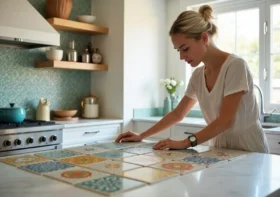
For those seeking a unique design aesthetic, consider installing zellige tile as a backsplash or accent wall. Ensure you choose colors that complement the existing decor for a cohesive appearance. zellige tile
Versatile Applications of Zellige Tile in Interior Design
One of the most significant advantages of Zellige tile is its versatility in application. Whether used in kitchens, bathrooms, or living areas, these tiles provide an artistic touch. Zellige tile works well with various design styles, from modern to rustic.
The durability and water resistance of Zellige tile make it ideal for bathroom walls and shower areas. The tiles’ non-porous surface helps to resist mold and mildew, offering a practical yet stylish solution. According to Home Improvement experts, using Zellige tile in wet areas can extend the lifespan of the installation.
Experiment with different layouts and grout colors to achieve distinctive designs. Opt for contrasting grout to highlight the tile’s shape and individuality or a matching color for a seamless look.
Zellige Tile as a Sustainable Design Choice
Zellige tile is also a sustainable design choice, appealing to eco-conscious homeowners. The production process involves natural clay and natural pigments, reducing the environmental footprint. Additionally, the tiles are fired in traditional kilns, which use less energy than modern alternatives.
Choosing Zellige tile supports small artisan communities that rely on traditional crafting methods. This creates a positive economic impact while preserving cultural heritage. Furthermore, the durability of Zellige tile means fewer replacements, contributing to long-term sustainability.
To incorporate sustainability, source your Zellige tile from reputable suppliers who prioritize ethical practices. When purchasing, verify the origin and crafting method to ensure genuine, eco-friendly products.
Incorporating Zellige Tile for Unique Textural Effects
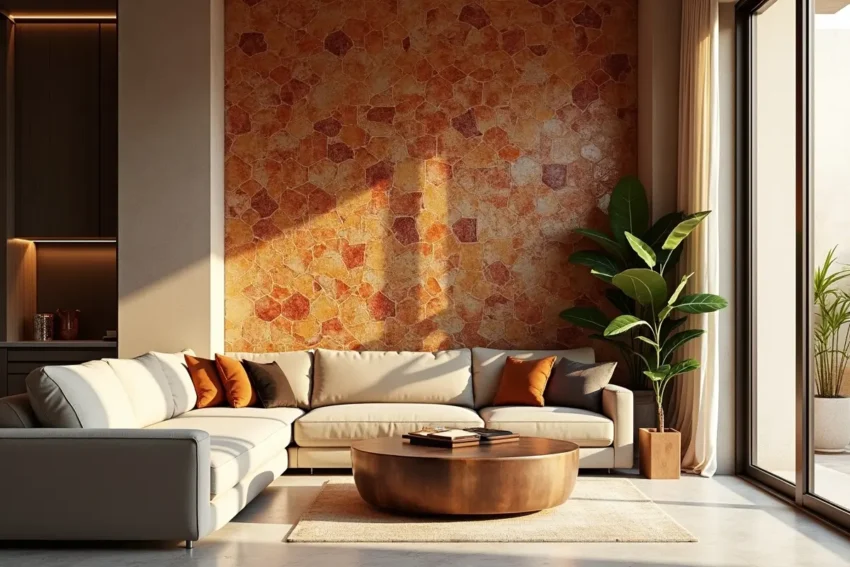
Zellige tile has an inherent texture that can create unique visual effects in an interior space. The slightly uneven surface and varying thickness add depth to walls and floors. This texture can also impact how light is reflected, creating a warm ambiance.
Designers favor Zellige tile for its ability to evoke a handcrafted feel, making spaces feel more inviting and personal. Its tactile quality can transform the atmosphere, making it feel both luxurious and grounded. According to lifestyle experts, incorporating texture can enhance sensory experiences within the home.
For a striking effect, consider combining Zellige with smooth surfaces like glass or metal. This contrast enhances the tile’s unique texture, providing a focal point in the room. Tailor the tile choice to each space’s function to maximize its impact.
Ultimately, incorporating Zellige tile into interior design offers a myriad of benefits from aesthetic enhancement to sustainability. By understanding its versatile applications, designers and homeowners can make informed choices that add both style and substance to their living spaces.