Why the Way Your Home Breathes Matters More Than You Think
The home renovation conversation has shifted over the past few years. People are not just thinking about new countertops or a fresh coat of paint. They are thinking about how a space feels to live in, how it performs through different seasons, and whether the money they spend actually holds up over time. That shift in thinking has quietly moved the focus from cosmetic upgrades to structural ones.
Among the most overlooked of those structural choices are the ones that affect airflow, temperature, and natural light. Specifically, how well a home manages its relationship with the outdoors through openings, insulation, and the materials that frame both.
Contents
- 1 The Way a Home Connects to the Outside Has Changed
- 2 What Thermal Performance Actually Means in Daily Life
- 3 Why the Entry Points of a Home Deserve More Attention
- 4 How Natural Light Affects the Way a Space Feels
- 5 The Real Cost Math Behind Upgrading Windows and Doors
- 6 How to Think About Material Choices
- 7 What the Installation Side of the Project Looks Like
- 8 The Longer View on Home Investment
The Way a Home Connects to the Outside Has Changed
There was a time when windows and doors were purely functional. You needed them to get in, get out, and let some air through. Design was secondary. Performance was not even part of the conversation.
That is not where most homeowners are today. The average person renovating a home now asks questions about energy costs, noise reduction, security ratings, and how a product looks from both inside and out. These are not niche concerns. They are mainstream ones, driven by the reality that energy bills are real, climate conditions are harder to ignore, and homes are being asked to do more with less.
What Thermal Performance Actually Means in Daily Life
The phrase “thermal performance” sounds technical, but the experience of it is pretty simple. It is the difference between a room that stays comfortable without the furnace running constantly and one that always feels slightly off no matter how much you adjust the thermostat.
Poor thermal performance usually traces back to windows and doors that are letting conditioned air escape. In older homes especially, the original framing and glazing were not built to current standards. The gap between what was installed 30 years ago and what is available today is significant. A home with upgraded windows and entry systems can feel noticeably different within the first winter season.
It is also worth saying that this is not only a cold climate issue. Homes in warmer regions deal with the reverse problem: heat gain through glass that drives up cooling costs and makes west-facing rooms nearly unusable in the afternoon. What works in both cases is product performance, not just price point.
Why the Entry Points of a Home Deserve More Attention
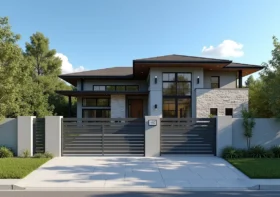
Windows get most of the attention in renovation conversations, but doors are just as important. The front door in particular does a lot of work. It manages drafts, handles the bulk of daily traffic, sets the tone for the exterior, and in many homes, takes the most direct weather exposure of any opening.
Sliding and patio doors carry similar weight for homes with outdoor living spaces. A door that seals poorly or runs on aging hardware is costing energy and creating friction in everyday use. Anyone who has wrestled with a sticky sliding door on a hot afternoon knows exactly what that feels like.
When homeowners start looking at the whole picture, treating windows and doors as part of a connected system rather than isolated products, the decisions become clearer. That is why companies that specialize in both tend to offer a more coherent result. The window and door solutions from Golden Windows reflect that systems thinking, with products designed to work together across different home styles and climate requirements.
How Natural Light Affects the Way a Space Feels
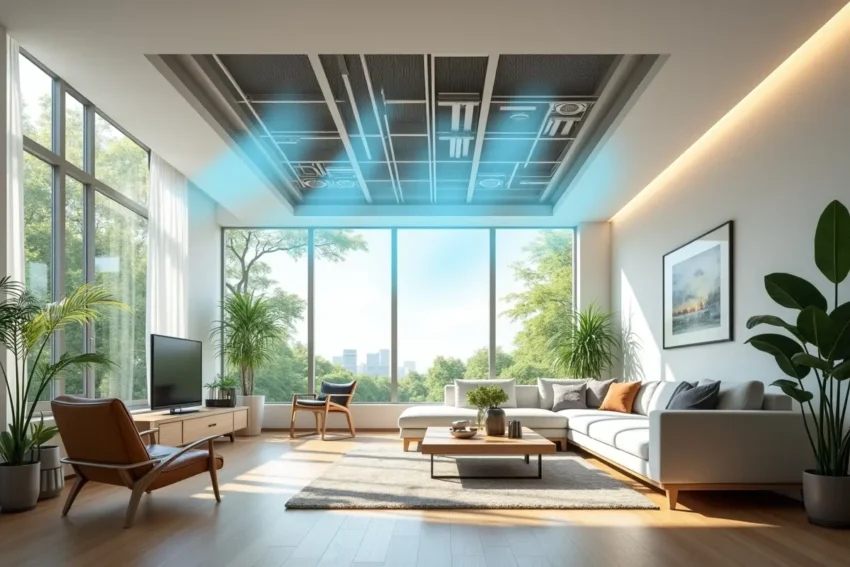
There is a practical case for bigger windows and better glass, and then there is the case that is harder to quantify but just as real. Natural light changes how a space feels to be in. It affects mood, perceived size, and how comfortable a room is to spend time in.
This is not a design trend. It is a physiological reality. People feel better in well-lit spaces. They use those rooms more. They entertain in them. They work from them. A home that manages light well is one that gets used well.
The design side of this is worth noting too. The proportions of a window, the profile of the frame, the color of the finish: these decisions sit at the intersection of function and appearance. Getting them wrong is easy and expensive to fix later. Getting them right means they disappear into the home and just work.
The Real Cost Math Behind Upgrading Windows and Doors
A common hesitation around window and door upgrades is cost. The upfront number can feel significant. But the math changes when you look at the full picture.
Energy savings on heating and cooling are real and ongoing. Maintenance costs on older, deteriorating products tend to accumulate quietly. And resale value is affected by the condition and quality of these systems in ways that buyers and inspectors notice.
Some relevant things to consider when running the numbers:
- Many utility providers offer rebates for certified energy-efficient windows and doors.
- Improved sealing reduces wear on HVAC systems, which extends their lifespan.
- New products often carry substantial warranties that older stock cannot match.
- The cost of water intrusion from failing seals can far exceed the cost of replacing the window.
None of this is to say the decision is always straightforward. But treating it as a purely cosmetic spend misses most of what is actually happening financially.
How to Think About Material Choices
The material question comes up quickly in any window or door conversation. Vinyl, wood, aluminum, fiberglass: each has a real profile of strengths and trade-offs. There is no universally right answer. There is only the right answer for a specific home, climate, and homeowner.
Wood offers warmth and a particular look that some homes genuinely need. It also requires more maintenance and responds to moisture in ways that demand attention. Vinyl is durable and low maintenance but has limits in terms of profile size and certain design applications. Fiberglass has grown significantly in reputation over the past decade for its ability to hold shape across temperature swings while offering a finish quality that looks closer to painted wood.
The honest answer is that a good supplier will walk through these trade-offs rather than push a single material. That conversation is where the real decision gets made.
What the Installation Side of the Project Looks Like
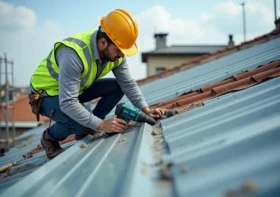
Even a well-chosen product performs poorly if it is installed incorrectly. This is one of the more consistent findings across homeowner experiences with window and door replacements. The product itself gets the attention, but the rough opening preparation, the flashing, the sealing, and the trim work are where most long-term problems originate.
This is worth asking about directly when getting quotes. How does the installer handle the transition between the new frame and the existing wall assembly? What is the standard for air sealing on the interior side? What happens if there is rot or damage discovered during the removal of the old unit?
These are not questions that will make you sound difficult. They are questions that will tell you quickly whether the contractor has done this enough times to have clear, practiced answers.
The Longer View on Home Investment
The way people think about home investment has matured. The old model was renovation as flipping, always with one eye on resale. The newer model is renovation as living, with upgrades chosen for how they improve the actual daily experience of the home.
Windows and doors fit neatly into that second model. They are not flashy. They do not photograph the way a kitchen renovation does. But they affect how warm the house feels in February, how quiet the bedroom is on a Saturday morning, how easy it is to move between the kitchen and the patio, and how much the furnace runs overnight.
Those things matter every single day. That is the kind of return that does not show up on a single line of a resale estimate, but it accumulates across years of living in a place. That is what makes this category worth taking seriously, even when it does not feel like the most exciting part of the renovation plan.