Do You Need a Warranty for Your RV?
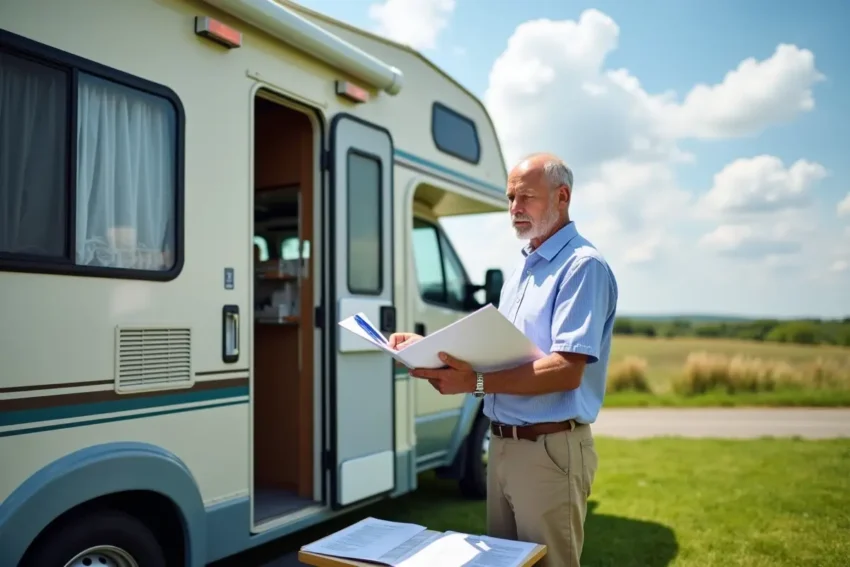
Embarking on the open road with an RV promises adventure, but unexpected breakdowns can quickly derail your travel plans. On average, RV repairs can range from a few hundred to several thousand dollars, creating a budgetary dilemma for owners. As such, an RV warranty may serve as a financial safety net, ensuring peace of mind during your travels.
An RV warranty can cover costly repairs, but choosing the right coverage requires careful consideration of various factors. Knowing the intricacies of these plans and the protection they offer is essential for any RV owner. Below, we’ll delve into the specifics you should consider when deciding whether you need a warranty for your recreational vehicle.
Contents
Assessing the Need for an RV Warranty: Key Considerations
Determining whether an RV warranty is a sound investment begins with evaluating your usage frequency and the age of your RV. Those who use their vehicles extensively or own older models may encounter more repairs, making a warranty beneficial. Conversely, light users or owners of newer, more reliable models may deem the cost unnecessary.
Consider the average repair costs and the likelihood of system failures when evaluating an RV warranty. For instance, motorhome engine repairs can exceed $7,000, while transmission repairs can cost over $5,000. If such expenses would strain your budget, a warranty could serve as a crucial financial buffer.
When deciding on a warranty, calculate potential repair costs against warranty premiums and deductibles. It’s also worth noting that an RV warranty can add resale value, as prospective buyers may find transferable coverage for unforeseen repairs attractive.
Understanding Different Types of RV Warranties
RV warranties come in a variety of forms, each offering different levels of coverage. Extended service contracts may provide comprehensive coverage, mirroring factory warranties, whereas component-specific warranties cover only specific systems, such as plumbing or electrical. Understanding what each type entails is vital to making an informed decision.
Manufacturer warranties generally cover defects and workmanship for a limited period, typically one to three years. In contrast, extended warranties offered by third-party providers can extend that period and even cover wear-and-tear issues that manufacturers do not cover. Some companies, such as RV warranties specialize in these extended options.
Investigate the actual coverage provided by each warranty, including exclusions and limitations. Additionally, some plans come with additional benefits, such as roadside assistance or trip interruption services, adding value beyond standard repair coverage.
Calculating the Cost-Benefit of RV Warranty Plans
Before committing to an RV warranty, weigh the cost of the plan against its benefits. Manufacturer’s warranties are often included in the purchase price, whereas extended service contracts have separate fees that can vary widely based on the coverage level and RV type.
Analyzing customer reviews and claim denial rates can provide insight into a warranty’s true value. For example, a low-cost plan might seem economical until you discover a high rate of claim denials, making it less advantageous in the long run. Alternatively, a higher-priced plan with a proven track record of claim approvals and customer satisfaction could offer more reliable protection.
As part of your evaluation, consider your financial capacity to handle significant repairs out of pocket versus the predictability of a warranty plan. Look for flexible plans that let you choose your repair facility and offer deductible options that fit your budget.

The ease of the claims process is a vital aspect of any RV warranty. When purchasing a warranty, understand the steps required to file a claim, including any necessary pre-authorization before repairs commence. Delays or complications in this process can lead to frustrations and unexpected expenses.
It’s also essential to know the protocol for emergency repairs, especially if you’re on the road and far from your home base. Some warranties may require repairs at preferred repair facilities or networks, while others allow repairs at any licensed service center. This flexibility can greatly influence your experience during stressful breakdowns.
Finally, document all maintenance and repairs, as warranty providers often require proof of regular maintenance to approve a claim. Keeping thorough records not only helps validate your claim but also helps maintain your RV’s resale value and operational longevity.
Ultimately, an RV warranty can be a strategic investment, offering substantial savings on repairs and increased confidence during your journeys. Carefully assess your typical RV usage, explore warranty options, scrutinize potential financial benefits, and understand the claims process. With the right coverage, you can navigate the roads ahead knowing you’re prepared for whatever bumps arise along your travel path.