Understanding Wrong Site Surgery and Your Legal Rights
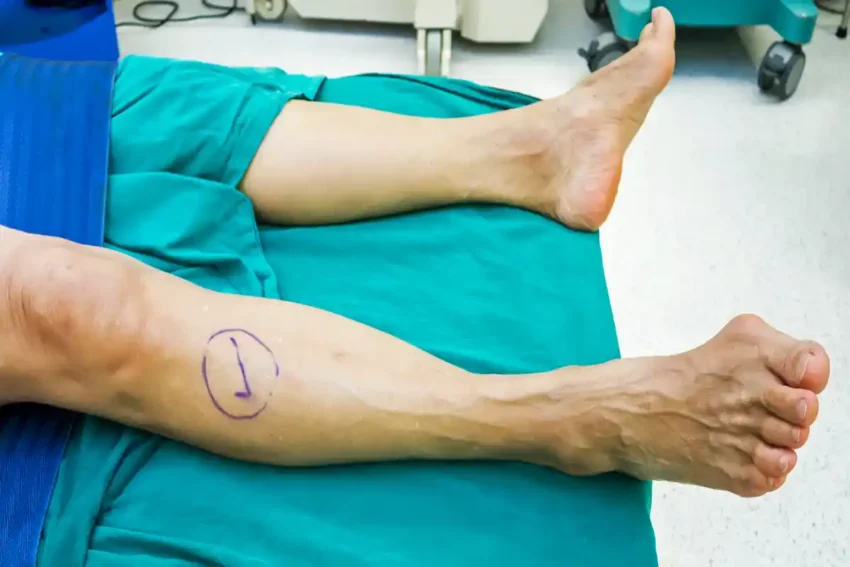
Going into surgery takes trust. You expect the medical team to confirm your patient identification, review your chart, and make sure your patient’s name matches the scheduled surgical procedure. Hearing that a surgery was performed on the wrong body part, or even on the wrong patient, can feel unthinkable.
Yet wrong site surgery does occur, and when it does, the impact can include serious adverse health events that affect you physically, emotionally, and financially. If you’re facing that reality, understanding what it means and what you can do next can help you regain some control.
Contents
What Wrong Site Surgery Really Means
Wrong site surgery isn’t limited to operating on the wrong limb. It can involve operating on the wrong side of the body, the wrong organ, or even performing the incorrect procedure entirely. In rare cases, it involves the wrong patient altogether. These incidents are considered serious breaches of patient safety and are classified as preventable surgical mistakes that demand close scrutiny.
Before surgery, there are specific safeguard protocols designed for error prevention. Teams are expected to complete preoperative verification, confirm the correct procedure against written surgical orders, and perform proper site marking on the intended surgical site. There’s usually a final ‘time-out’ to confirm details before the first incision. When these steps are rushed, skipped, or poorly documented in patient notes, the risk of harm increases.
If something feels off after a procedure, it’s reasonable to ask direct questions. Was the correct area operated on, and was proper informed consent obtained beforehand? Requesting your records can clarify what happened and show whether standard surgical safety steps were followed. When the answers raise concerns, speaking with experienced medical malpractice attorneys in Raleigh can help you understand if the standard of care was violated and what that means for your situation.
How These Errors Happen Despite Safeguards
You might assume that modern hospitals and surgical centers make this type of mistake impossible. In reality, surgery involves multiple professionals working under pressure, often across departments. Communication gaps, incomplete documentation, or breakdowns in a proper clinical assessment can create confusion. Even small coordination failures can lead to serious consequences in the operating room.
Fatigue and scheduling pressures also play a role. Surgeons and staff may move quickly between cases, especially in high-volume specialties like orthopedic surgeries, where operating on limbs requires precise verification. If markings aren’t clear or verbal confirmations are misunderstood, the error can escalate quickly. It’s often a chain of missed checks rather than a single reckless act.
That doesn’t excuse the outcome. Hospitals are responsible for maintaining a strong safety culture that prioritizes careful verification at every stage. When systems fail, the focus shifts to whether accepted standards were followed. Understanding where the breakdown occurred helps clarify accountability and whether stronger oversight could have prevented the harm.
The Physical and Emotional Impact
The physical effects of wrong site surgery can be immediate and serious. You may require additional procedures to correct the error, which increases the risk of further health complications. Recovery can take longer than expected, and in some cases, the damage results in permanent patient injury. Each additional surgery carries its own risks and stress.
The emotional toll can run just as deep. You may experience anger, anxiety, or lasting emotional trauma tied to the experience. Trust in medical providers can erode quickly after such a preventable mistake. It’s difficult to feel secure in a healthcare setting once that trust is shaken.
There’s also the financial strain. Extra hospital stays, follow-up care, and missed work can create significant pressure. Insurance doesn’t always cover every expense connected to preventable harm. When costs rise because of someone else’s error, it’s fair to question who should bear that burden.
Proving Medical Negligence in These Cases
Not every poor outcome is malpractice. Surgery carries risks, and complications can happen even when care is appropriate. The focus in a wrong site case is usually on whether the provider failed to follow established safety steps. If clear protocols weren’t followed, that can point toward negligence.
You’ll need evidence to support a claim. That often includes medical records, operative reports, and expert review. An independent medical professional may be asked to explain how the standard of care applies to your case. Their opinion can clarify if the error was avoidable. In serious cases like this, people often explore different types of attorneys before deciding who has the right experience to handle a complex medical negligence claim.
Timing matters, too. Each state has deadlines for filing a malpractice claim. Waiting too long can limit your options, even if the mistake is clear. Acting promptly helps preserve records and gives you a stronger position if you choose to move forward.
What Your Legal Rights May Include

If negligence is established, you may have the right to seek compensation. That can include medical expenses tied to the error, lost income, and costs for future care. In some cases, damages also address pain and emotional distress. The goal is to place the financial burden on the party responsible, not on you.
A legal claim can also encourage broader accountability. Hospitals often reexamine internal policies after serious incidents. Greater patient involvement in verification processes has become more common in response to preventable errors. Stronger oversight can reduce the likelihood of similar harm happening to someone else.
Before making decisions, it helps to understand your options clearly. A consultation doesn’t obligate you to file a claim. It simply gives you information about what’s realistic in your case. When you know your rights, you can decide how to move forward with confidence instead of uncertainty.
In Conclusion
Wrong site surgery is one of the most unsettling medical errors a patient can experience. It disrupts your health, your plans, and your trust all at once. Still, you’re not powerless. By asking questions, reviewing records, and learning how negligence is evaluated, you put yourself in a stronger position. When you understand your legal rights, you can choose your next step with clarity instead of confusion.