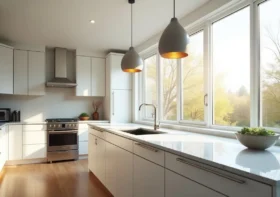
Windows: Light, Warmth, And Comfort
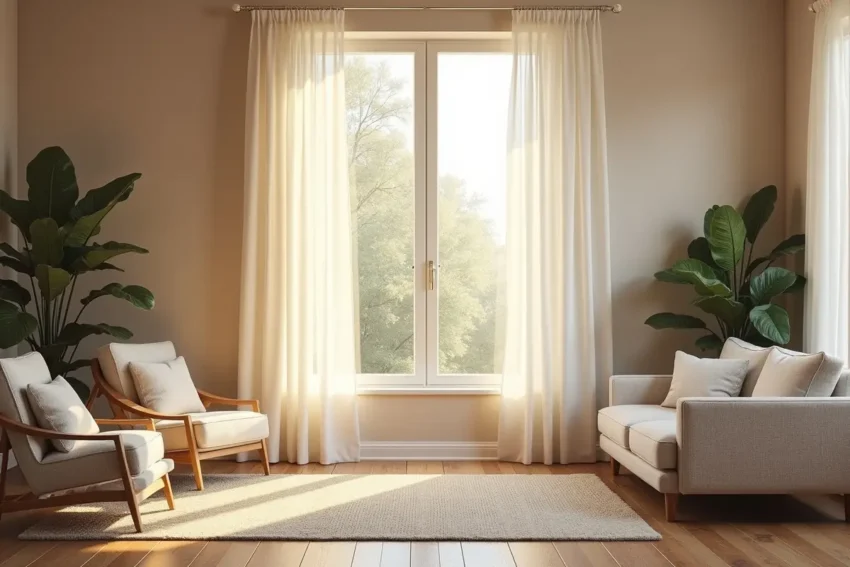
Windows do so much more than frame a view — they determine your home’s comfort. An optimal window can let in more daylight, boost thermal retention and lower energy costs, while the wrong selections — on both interior and exterior windows — might create drafts or lost heat. For a renovation or new build, partnering with a trusted lending company can make it easier to incorporate energy-efficient upgrades.
Heating and cooling represent about 50% of U.S. residential energy consumption, so selecting the right windows—and then maintaining them properly—is crucial. This article will examine tried-and-true methods of improving the quality of light, the warmth of sunshine, and benefits in comfort. Rookies, We will be looking at some tips for homeowners and home builders.
Contents
Maximizing Natural Light Without Sacrificing Energy Efficiency
Windows allow daylight into a building, making people happier and objects more visible. But direct sunlight can drive up summer cooling costs. In the United States, energy costs run somewhere around $2,100 per household annually, so how to manage solar gain is an important consideration. South-facing window shave the amount of light (64,000 lux) optimized for the winter season by varying overhangs or using adjustable shades to minimize heat gain in summer.
New glazing can manage light and heat at the same time. Low-emissivity (Low-E) coatings reflect infrared heat, letting visible light through, making low-E windows a way to cut down on the need for artificial lighting without increasing air conditioning bills. For added energy efficiency and brightness, windows are available in double or triple pane with inert gas fills (argon).
Layout and Room Planning
Window placement matters. Living rooms can be designed to have bigger openings for daylight while smaller, strategically placed windows may be desirable in bedrooms. A mix of horizontal and vertical panes can also improve the propagation of light, while maintaining insulation. Careful consideration of size, orientation and glazing means that houses can be kept naturally lit by daylight without compromising the heating energy requirement.
Choosing the Right Window Materials for Heat Retention
Heat insulation is influenced by window frames almost as much as glass. Vinyl frames, found in many homes in the United States, are both low-conducting and maintenance-friendly. Wood frames offer top-notch insulation, but they require regular sealing or painting to keep them from rotting. Aluminum is strong, but it also conducts heat, so thermal breaks are crucial to prevent energy loss.
Double or triple glazing with low-E coatings or gas fills can also decrease heat loss by 30–50% compared to single pane windows. Some of today’s windows are equipped with smart or dynamic glass that can change tint based on the sunlight, enabling improved control over warmth while ensuring visibility.
The best draft beautiful ocean view custom frame and glass combination for you depends on your location. In cold climates, like the Northeast, insulated frames and triple-glass units help maximize temperature retention. In hotter climes, light frames with solar-controlling coatings can keep you comfortable without overheating. The right material selection also means less dependence on HVAC systems and more energy conservation.
Insulation and Sealing: Keeping Your Home Comfortable Year-Round
The most effective windows can lose efficiency once you factor in gaps and leaks. Air infiltration can contribute to 25–40% of the heat loss in U.S. homes. And in frames, weatherstripping and caulking stop drafts and retain interior temperatures.
Beyond a seal, insulated window treatments — such as cellular shades or thermal curtains — add additional layers of resistance to heat loss. Those can save you up to 15% in your heating bill during the winter.
Tight insulation also helps prevent condensation between panes, which causes the window and frame to become deteriorated. Keeping relative humidity levels in your home at around 30-50% reduces condensation risk that could compromise energy efficiency and the comfort of indoor air. An airtight window keeps you warmer in winter, cooler in the summer and healthier all year round.
Practical Tips for Maintenance and Longevity of Your Windows
Dirt, grime, and water deposits can ruin the look of windows – and its performance. Their long-term performance and appearance is assured with regular care. To maintain your windows at their best, follow these seven steps:
- Clean glass and frames twice a year, to maintain clear light and full ventilation.
- Check seals, hinges, and locks frequently to avoid small problems from becoming huge repairs.
- Lubricate hinges, sliders and locks once a year to ensure proper operation and avoid stiffness or corrosion that can impact thermal seals and comfort.
- Adjust shades, screens, and shutters seasonally to balance light and heat in your home.
- Replace worn weatherstripping or caulking promptly to maintain energy efficiency and prevent drafts.
Finally, I’d also look out for condensation between the panes and water intrusion as well. Keeping the tracks free of dust and dirt will also minimize wear. Regular maintenance is not only better for the appearance of your windows, but it can save you from costly repairs.
Homeowners who take just a few hours of time each year to care for their windows can ensure they will enjoy decades of life and comfort, while also continuing to appreciating the value of this investment. When you take care of them properly, the windows will continue functioning, be energy efficient and look fabulous for as long as they are in your home.