Window Shade Repair: Essential Tips for Homeowners
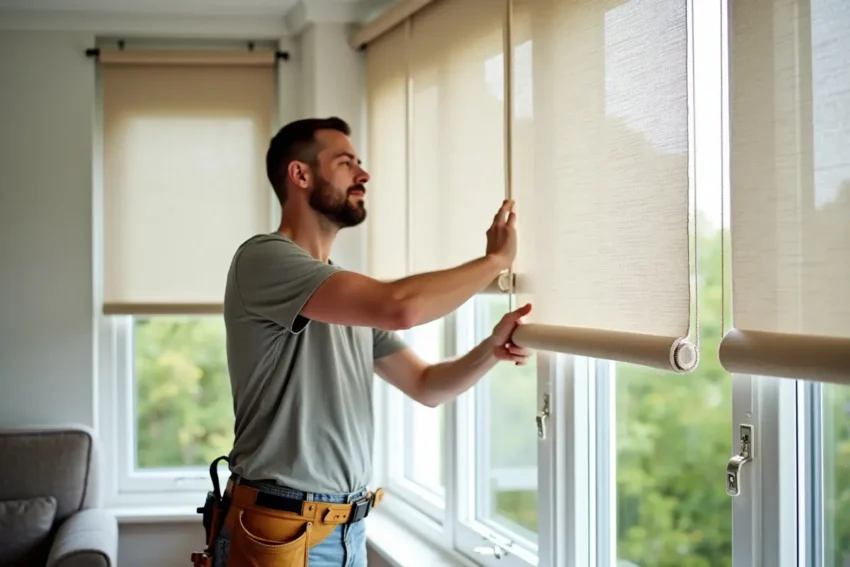
Window shades are a fundamental part of both the comfort and the appearance of your home. Over time, even the best window treatments can develop problems, such as malfunctioning mechanisms or tangled cords. If you notice your shades aren’t operating smoothly, you might be looking for window blinds repair near me to resolve the issue quickly and keep your space looking its best.
Typical window shade complications include broken or tangled cords that make the shades hard to raise or lower. Slats or fabric can become damaged, resulting in visible imperfections or decreased function. In some cases, the internal clutch or motor may stop working entirely. Early identification of these issues can save on extensive repairs and prolong the lifespan of your window treatments.
Homeowners who understand these common issues are better equipped to maintain their shades and can often prevent small problems from becoming large, costly matters. Delaying necessary repairs can cause more complex damage and reduce the efficiency of your window coverings.
Aside from basic function, damaged shades can affect privacy and the energy efficiency of your home. Maintaining your shades not only improves the appearance of your living space but can also help keep your household energy bills lower year-round.
Contents
DIY Repair Solutions
Many common shade problems can be addressed by homeowners with simple tools and a bit of patience. Replacing broken cords, for example, is often a straightforward fix. Carefully remove the shade from its mount, thread a new cord that matches the original, and securely reattach the shade. This basic task can immediately restore function to your window coverings and prevent further fraying or tangling. For more complex issues or quick professional assistance, finding shade repair near me ensures your window treatments are fixed properly and efficiently.
If your shades have bent metal slats, you can gently remove them and try straightening them with a soft touch. Wooden slats can sometimes be restored with sanding and a fresh coat of finish. For shades that seem stuck and will not move, inspect the headrail for any obvious obstructions or debris, and clear away anything that might be causing the jam.
When to Seek Professional Help
While many minor shade repairs can be done at home, some situations require professional expertise. Complex issues with motors, advanced operating systems, or extensively damaged materials are often beyond the scope of DIY skills and, if attempted, may lead to further complications. Professional repair services can identify and address hidden problems, use original equipment manufacturer (OEM) parts, and ensure all safety considerations are met, particularly with motorized or smart window shades.
Professional intervention is advisable when safety is a concern or when your window shades are part of a larger integrated home system. Investing in expert help can extend the life of your shades and ensure they operate reliably for years to come.
Cost Considerations for Repairs
The cost of fixing window shades varies based on the type and extent of repair needed. Simple issues like cord replacement may only set you back $5–$30 if handled on your own, whereas hiring a professional can cost $50–$120. For more advanced needs, such as replacing a motor, costs can range from $200 to $400 per shade. Understanding these average prices will help you budget for repairs and prevent unwanted surprises.
Always compare the repair costs with the price of new window treatments. In many cases, economical repairs can add years of function without the expense of full replacement.
Maintenance Tips to Prevent Future Issues
Regular upkeep is the most effective way to extend the life of your window shades and avoid the nuisance of frequent repairs. Dusting with a soft cloth or duster keeps blinds and shades free from airborne debris. For deeper cleaning, particularly with fabric shades, use your vacuum’s brush attachment to remove ingrained dirt. If spills or stains occur, spot-clean with a mild detergent and warm water, but always test on an inconspicuous area first.
For harder-to-clean or delicate window coverings, occasional professional cleaning is recommended. This preserves the material and maintains function, especially with more expensive or intricate shades.
Safety Considerations for Window Treatments
Safety is especially important for families with children. The U.S. Consumer Product Safety Commission recommends repairing or replacing all window coverings purchased before 2001 to avoid the potential strangulation risk posed by cords and chains. Always keep cords out of children’s reach and install safety devices wherever possible.
Deciding Between Repair and Replacement
When your window shades show signs of wear, it’s important to consider whether repair or replacement will be the best solution. Minor problems, such as single broken cords or a few bent slats, may be worth repairing. However, if your shades are very old or the damage is widespread, replacement might make better financial sense. As a general rule, if a repair costs 50% or more of the cost of new shades, replacement is likely more cost-effective and will deliver better performance and appearance in the long term.
Evaluating your specific situation, including the shade’s age, the extent of the damage, and overall costs, will guide you toward the best outcome for your home and your budget.
Final Thoughts
Routine maintenance and prompt repairs are the keys to keeping your window shades functional and attractive. Understanding common issues and making minor fixes is possible for most homeowners, but don’t hesitate to seek expert assistance for complex repairs or when safety is involved. By prioritizing upkeep and accounting for cost factors, you can enjoy both long-lasting shades and peace of mind in your home.