Why Low Water Pressure May Mean Pipe Trouble
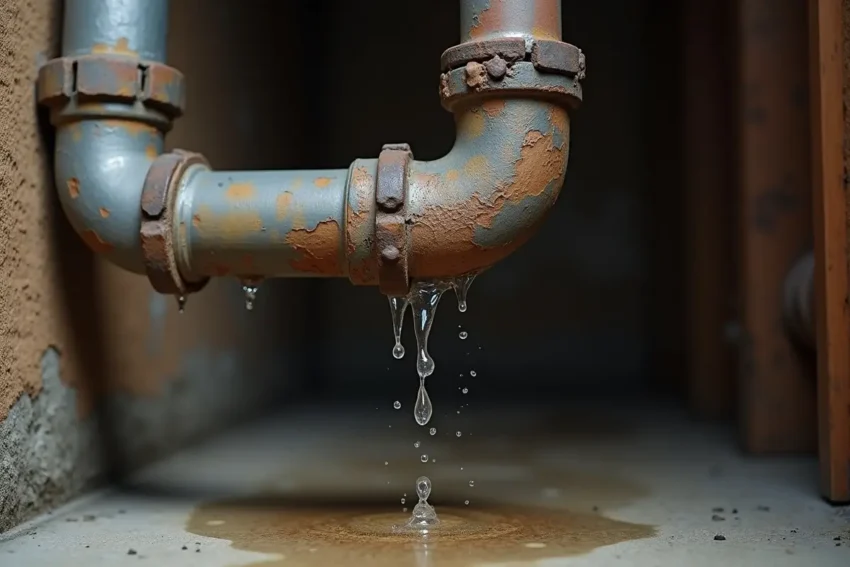
Low water pressure can quietly disrupt your daily routine, turning simple tasks like showering, washing dishes, or doing laundry into frustrating chores.
You might assume it is a minor inconvenience or a temporary issue caused by local water supply changes, but in many cases, it is your home’s plumbing system trying to get your attention. Reduced pressure often signals underlying pipe problems that worsen over time if ignored, leading to costly repairs and potential water damage.
In this blog post, our professionals from Neighborhood Plumbing will talk about why low water pressure may mean pipe trouble and what steps you should take next.
Contents
Concealed Pipe Leaks Behind Your Walls
Low water pressure often points to hidden leaks within your pipes, especially those concealed behind walls or under floors. Even a small crack or pinhole leak can divert water away from your fixtures, reducing the pressure you feel at faucets and showers.
You may not instantly notice visible water damage, but moisture can slowly weaken structural materials and promote mold growth. Over time, this silent problem escalates, increasing your water bills and risking serious damage, which is why a reliable plumbers in Munhall often recommend investigating pressure drops as early warning signs.
Corrosion Slowly Choking Your Pipes
If your home has older metal pipes, corrosion may be restricting water flow from the inside. As pipes age, minerals and rust build up along the interior walls, narrowing the passage where water travels. You experience this as weak or inconsistent pressure, especially at multiple fixtures. Corroded pipes are more than an inconvenience, since they are also prone to leaks and sudden failure, making early detection critical for protecting your plumbing system.
Clogs That Affect More Than One Fixture
Low water pressure in more than one area of your home often means there is a blockage somewhere in the main supply line or branch pipes. Mineral deposits, sediment, or debris can gradually accumulate, limiting water flow throughout the system.
You might notice that pressure fluctuates or drops suddenly, particularly during peak water usage times. Addressing these clogs promptly helps restore normal pressure and prevents added stress on your pipes.
Failing Pressure Regulators and Valves
Your plumbing system relies on pressure regulators and shutoff valves to maintain consistent and safe water pressure. A malfunctioning regulator can reduce pressure throughout your home, making it seem like a widespread pipe issue.
Valves that are partially closed or deteriorating also restrict flow, causing noticeable drops in pressure. Professional evaluation ensures these components are working properly and protects your pipes from long-term strain.
Pipe Damage From Shifting or Temperature Changes
Pipes can crack, bend, or separate due to soil movement, foundation settling, or repeated temperature fluctuations. Even slight damage affects how efficiently water moves through your plumbing system. You may notice pressure changes that come and go, depending on usage or weather conditions. These problems rarely fix themselves and usually worsen over time, making early professional inspection essential.
Why Ignoring Low Pressure Can Cost You More
Treating low water pressure as a minor annoyance often leads to higher repair costs later. Damaged pipes can burst, cause flooding, or require extensive replacement if left unattended. By addressing pressure issues early, you protect your home, reduce water waste, and maintain consistent performance from your plumbing system. Experienced plumbers in Munhall can accurately diagnose the cause of low water pressure and recommend solutions that restore reliability and peace of mind without unnecessary disruption.
Need a Reliable Company?
Are you in need of a plumber? Luckily, we at Neighborhood Plumbing have dedicated workers ready at your disposal. Contact our representatives for more questions.