What To Do After A Car Accident: Practical Steps
A car accident is unexpected and often leave drivers feeling shaken, confused, or overwhelmed. Taking clear, step‑by‑step action in the aftermath is crucial for protecting your health, upholding your legal rights, and reducing any financial impact. If you are involved in a collision, knowing how to respond makes all the difference, whether you are dealing with a fender bender or a more serious crash. For Denver residents, consulting a professional, such as a Denver car accident lawyer, can help you navigate complex insurance or legal claims after an accident.
The following guide is intended to simplify what you should do after a car accident, regardless of its severity. Each step will help you proceed confidently and securely, so you can prioritize safety, ensure accurate documentation, and prepare to deal with insurance companies and, if necessary, legal professionals.
Contents
Ensure Safety First
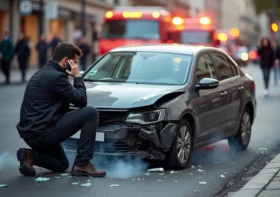
As soon as an accident occurs, check yourself, your passengers, and any other people involved for injuries. If anyone is hurt or unconscious, call 911 immediately. When it is safe to do so, and vehicles are still operable, move them out of active traffic lanes to a safe location, such as the shoulder or a nearby parking lot. Hazard lights should be turned on to alert passing vehicles, especially if visibility is limited or the accident happened at night. Moving your vehicle to safety does not impact fault but is typically required by law in many states after minor accidents. This simple step can prevent secondary collisions and improve overall safety for everyone at the scene.
Call Emergency Services
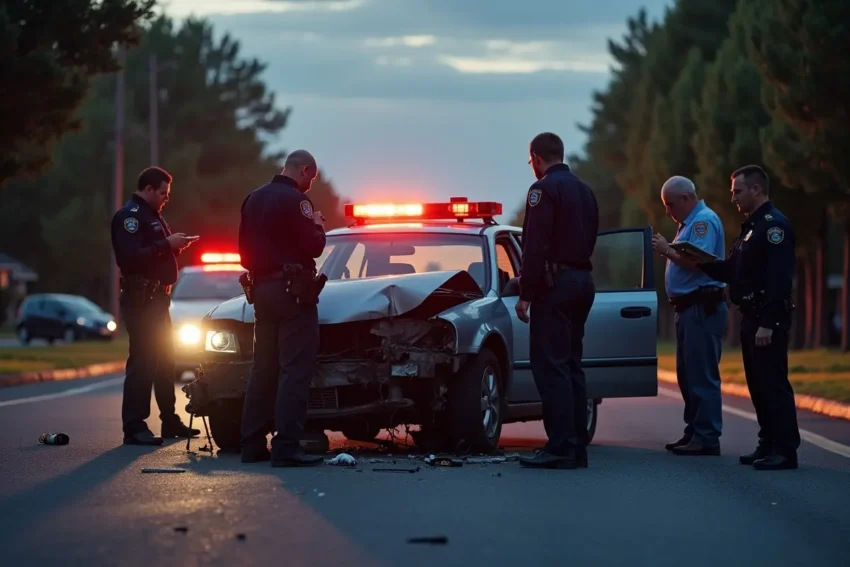
Even if the damage appears minor or no one is visibly injured, contact the police so an official accident report can be filed. This document can be indispensable for future insurance claims or legal matters, as it establishes the basic facts of the incident. When officers arrive, remain calm and stick to the facts. Relay what happened without offering opinions or speculating about whose fault the accident might be. Be sure to request the officer’s name, badge number, and the police report number before leaving the scene.
Document the Scene
While waiting for authorities to arrive, gather as much evidence as possible. Use your cellphone to take clear, comprehensive photos from multiple angles. Capture all vehicles involved, showing both overall damage and close-up shots of affected areas, license plates, and any relevant surroundings (traffic signals, street names, or skid marks). If there are witnesses, obtain their contact details as they may be essential if the accident’s circumstances are later disputed.
Exchange Information
Calmly and courteously gather the following details from each driver involved:
- Full name and contact information
- Driver’s license number and issuing state
- Insurance company name, policy number, and phone number
- Vehicle make, model, year, and license plate number.
During these discussions, avoid apologies, statements of blame, or speculation about the cause or fault. Admissions, even inadvertent ones, could affect future insurance or legal findings.
Seek Medical Attention
Some injuries, such as concussions or soft tissue damage, may not present symptoms right away. It is wise to consult a healthcare professional as soon as possible, both for your own safety and to formally document any injuries sustained in the crash. Medical records are also critical if you need to file a personal injury claim, providing objective evidence of any harm.
Notify Your Insurance Company
Report the accident to your insurer as close to the incident as possible. Be prepared to share the information, documentation, and any police or medical reports you have gathered. Early notification can help prevent issues or delays with your claim. Insurers may assign an adjuster to assess damages, determine liability, and evaluate your coverage, so thorough documentation will help ensure a smoother process.
Understand No‑Fault Insurance Systems
Some states have no-fault auto insurance systems that require drivers to file injury claims with their own insurers, regardless of who caused the accident. Central to many no-fault systems is Personal Injury Protection (PIP), a type of coverage that pays for medical expenses, lost wages, and other related costs after a crash without requiring fault to be proven. PIP is mandatory in some states and optional in others, and it typically covers medical treatments, ambulance services, lost income, rehabilitation, and funeral costs up to policy limits.
As an illustrative example, Michigan’s no-fault system requires drivers to carry PIP coverage. Drivers in Michigan may elect different levels of PIP, which can affect the payments available for medical bills or lost wages after a collision. Understanding your state’s insurance framework, including whether you are in a no-fault state and how PIP applies, is essential for effective claims handling and for protecting your legal rights.
Consult a Legal Professional
If your accident involves serious injuries, significant property damage, or disagreements about fault, it is in your best interest to seek legal counsel. Legal professionals can offer guidance on your rights, assist with communications between parties, and help you handle potentially complex medical or liability claims. If you feel unsure or overwhelmed by the process, or if you encounter resistance from an insurer, a lawyer can advocate for your best interests during negotiations or litigation.
Conclusion
Navigating the aftermath of a car accident can feel overwhelming, but following clear, step‑by‑step actions ensures your safety, protects your rights, and helps manage any financial impact. Prioritizing safety, documenting the scene, exchanging information, seeking medical care, and promptly notifying your insurer are all critical steps. In more complex situations, consulting a professional can provide guidance and support throughout insurance and legal processes. By staying informed and prepared, you can respond confidently and protect your well-being after any collision.