How Water Quality Influences Skin and Hair Health
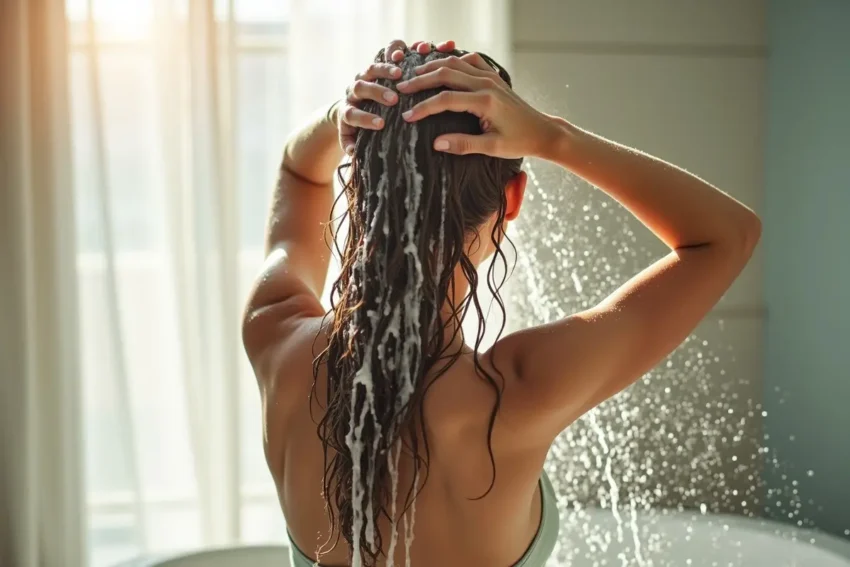
For anyone looking to maintain vibrant hair and healthy skin, the quality of your water supply is often an overlooked factor. Whether it is hard water full of minerals or chlorine-treated tap water, what comes out of your faucet can greatly affect the way your skin and hair look and feel every day. Understanding the link between water quality and your personal care routine can help you make informed decisions, such as exploring the benefits of soft water for hair and finding lasting solutions to common beauty frustrations.
Many people experience unexplained dryness, irritation, or a loss of vibrancy in their hair color, often unaware that the culprit may be as close as their showerhead. While products and routines matter, the type of water you use for bathing or washing your hair could undermine your efforts to maintain healthy skin and hair. Recognizing these hidden influences enables you to take action for better overall results.
Contents
Understanding Water Quality
Water quality is defined by its chemical, physical, and biological characteristics. Its suitability for household use depends on factors such as mineral content, pH, and the presence of chemical disinfectants, such as chlorine. These variables can create major differences in the daily impact of tap water on your body. For instance, homes supplied with hard water will expose residents to high levels of calcium and magnesium, whereas heavily chlorinated city water delivers a different set of challenges that can affect the skin’s barrier function and hair’s resilience.
Hard Water and Skin Health
Hard water is water with a high concentration of dissolved minerals, primarily calcium and magnesium. When you bathe or wash with hard water, these minerals bond to fatty acids on the skin’s surface, making it difficult to rinse away soap residue. As a result, you might experience:
- Dry, tight, or itchy skin
- Persistent soap film left behind
- Clogged pores or increased incidence of acne
- Heightened irritation and sensitivity
Repeated exposure to hard water gradually depletes the skin’s natural oils and disrupts its protective barrier. In people prone to eczema, psoriasis, or certain types of dermatitis, hard water can cause flare-ups or worsen symptoms. Skin may appear dull or prematurely aged as a result.
Hard Water and Hair Health
The effects of hard water do not stop at the skin. Hair reacts just as strongly, with mineral buildup forming a barrier around each strand. This buildup prevents moisture and nutrients from penetrating the hair shaft, often leading to problems like:
- Brittleness, breakage, and split ends
- Frizzy or unmanageable hair
- Dullness and loss of natural shine
- Increased color fading for treated hair
Shampoos and conditioners may become less effective, causing some people to use more product and inadvertently worsen buildup. According to dermatologists, hard water is linked to less healthy, more difficult-to-manage hair, especially in those with color-treated or processed hair.
Chlorine and Its Effects
Chlorine is used to disinfect municipal tap water, but frequent exposure can dry out the scalp and skin by stripping away the oils needed to retain moisture. Regular bathing or swimming in chlorinated water can trigger:
- Dryness, flaking, and itching
- Redness and irritation, especially in sensitive skin
- Accelerated loss of moisture and natural lipids
- Worsening of existing skin conditions
Hair regularly exposed to chlorine may break more easily, become frizzy, or lose its luster. Chlorine is also notorious for fading dyed hair and causing unwanted color shifts, making ongoing care essential for swimmers or those living in cities with heavily treated water.
Identifying Water Quality Issues
Clues that your shower or tap water may be affecting your skin and hair include:
- Itchy, tight, or irritated skin after showering
- Scalp dryness, persistent dandruff, or thinning hair
- Noticeable buildup of soap scum and white residue in tubs or on faucets
- Reduced water pressure from mineral deposits clogging fixtures
Recognizing these symptoms early makes it easier to intervene and address underlying water quality issues.
Solutions to Improve Water Quality
For most people, the harmful effects of hard water or chlorine can be minimized by making a few strategic upgrades:
- Install a water softener to strip away excess calcium and magnesium
- Use showerhead water filters to reduce chlorine and heavy metals
- Clean faucets and fixtures to prevent mineral scale buildup
Some water softeners or treatment systems can be installed directly at the point of entry to your home, ensuring safer, softer water from every tap. Filter pitchers can improve drinking water quality, and regular maintenance can help reduce long-term plumbing issues.
Protective Measures for Skin and Hair
You can also adopt simple daily practices to further protect your skin and hair:
- Choose gentle, pH-balanced cleansers for skin and hair
- Apply moisturizer and hair conditioner promptly after bathing
- Limit shower time and use lukewarm water instead of hot water
- Rinse with fresh water after swimming in chlorinated pools, and consider using a swim cap
Following these steps will help preserve natural oils and rejuvenate the protective barrier even if your water quality is less than ideal.
Final Thoughts
Your skin and hair are directly impacted by the type of water you use every day. Hard water and chlorine are two leading causes of dryness, irritation, and damage, but you can protect yourself through a combination of water treatment solutions and everyday care habits. By addressing water quality at the source and adjusting your cleansing routine, you will see a noticeable improvement in hydration, brightness, and overall health of your skin and hair.