Water Leaking From Ceiling? Causes And Emergency Fixes
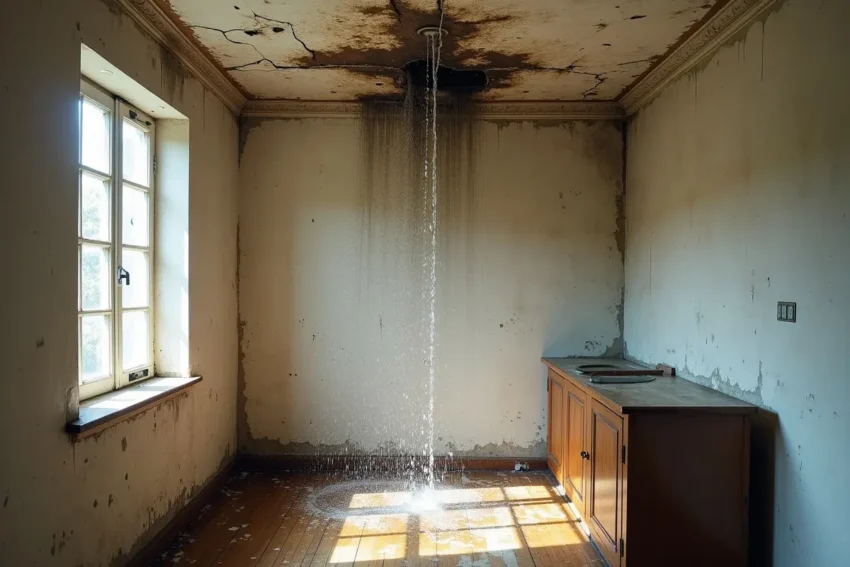
Water dripping from your ceiling can turn a normal day into a stressful situation in seconds. A spreading stain, bubbling paint, or steady drip is more than a cosmetic issue—it signals that something is wrong above you. The longer moisture lingers, the more damage it can cause to drywall, insulation, electrical systems, and even the structural integrity of your home. Acting quickly can limit repairs and reduce costs.
In this blog post, our professionals from Mr. Rooter Plumbing will talk about the most common causes of ceiling leaks and the emergency steps you can take.
Contents
Common Plumbing Issues Behind Ceiling Leaks
One of the most frequent causes of water leaking from the ceiling is a plumbing failure. Burst pipes, cracked fittings, corroded supply lines, or loose connections can all allow water to escape and travel downward. Bathrooms are often located above living spaces, so a leaking toilet seal, damaged shower pan, or faulty bathtub drain may show up as a stain on the ceiling below.
Kitchens with upstairs plumbing lines can create the same issue. Even small pinhole leaks in copper pipes can release enough water over time to soak insulation and drywall. A licensed plumber in Mansfieldcan inspect the lines, identify the source, and repair or replace damaged sections before the problem spreads.
Roof Damage That Leads to Interior Water Stains
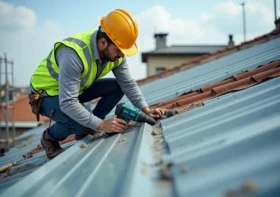
Ceiling leaks are not always caused by indoor plumbing. Roof damage is another major culprit. Missing shingles, deteriorated flashing, clogged gutters, or cracked vent boots allow rainwater to seep into the attic and eventually into ceiling materials.
Storms, high winds, and aging roofing materials increase the risk. Water may travel along beams before dripping into a room, making the source difficult to trace. Inspecting your attic for wet insulation or visible daylight can provide clues. Prompt roof repair prevents recurring leaks and protects both the exterior and interior of your property.
HVAC and Air Conditioning Problems
Your heating and cooling system can also cause water to drip from the ceiling. Air conditioning units produce condensation, which is normally directed outside through a drain line. If that drain line becomes clogged, water can back up and overflow into surrounding areas.
A cracked drain pan or disconnected condensation line may also be responsible. In multi-story homes, this issue often appears as a leak near vents or along ceilings below the attic. Regular maintenance reduces the likelihood of this problem and keeps your system running efficiently.
Warning Signs Before Water Breaks Through
Ceiling leaks often provide subtle warning signs before water starts dripping. Discoloration, sagging drywall, peeling paint, or a musty odor can indicate moisture buildup. A bulging area in the ceiling suggests trapped water pooling above. Ignoring these early signs allows damage to worsen. Paying attention to changes in texture or color can help you address the problem before a full leak develops. Early detection often means less extensive repairs and lower restoration costs.
Emergency Steps to Take Instantly
A ceiling leak requires fast action to minimize harm. Start by moving furniture, electronics, and valuables away from the affected area. Place buckets or containers under active drips to catch water. If a bulge forms, carefully puncturing the center with a screwdriver can release trapped water in a controlled way and prevent a larger collapse.
Turning off the main water supply is critical if plumbing is suspected. Cutting power to affected rooms reduces electrical hazards as well. Contacting a plumber in Mansfield right away makes sure that the issue is diagnosed and corrected safely.
Need a Reliable Company?
Are you in need of a plumber? Luckily, we at Mr. Rooter Plumbing have dedicated workers ready at your service. Contact our representatives for more questions.