Warning Signs You Need to Call a Roofer — And How to Find a Good One
Your roof works every day to protect your home, often without getting any attention until something goes wrong. Knowing the warning signs of roofing problems — and knowing how to find a trustworthy professional when those signs appear — is essential for every homeowner.
- Missing or displaced shingles
- After any significant wind event or storm, walk the perimeter of your home and look for shingles on the ground or bare patches on the roof. Even a small exposed area creates a pathway for water intrusion. Call a licensed roofer promptly rather than waiting.
- Curling, buckling, or cracking shingles
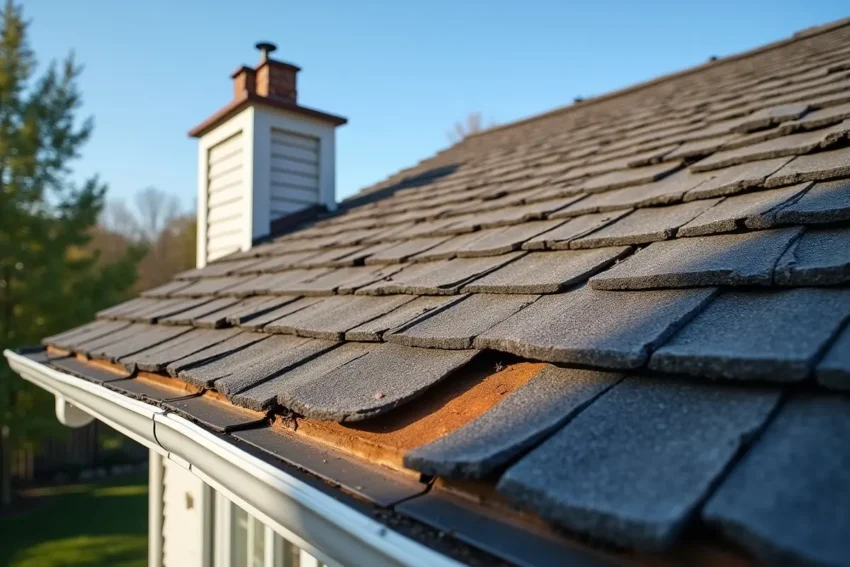
- Shingles that curl at the edges or buckle in the middle are no longer lying flat and providing proper protection. This is a sign of material aging and typically indicates that replacement is approaching, if not already overdue.
- Granule loss in gutters
- Asphalt shingles lose their protective granules as they age. Heavy granule accumulation in your gutters is a clear sign that your roof is wearing out. You may also notice bald spots on the shingles themselves.
- Ceiling stains or attic leaks
- Water stains on interior ceilings or walls, or evidence of moisture in the attic, indicate that water is penetrating the roof. Even if the stain appears dry, the problem is active. Address it immediately to prevent structural damage and mold growth.
- Sagging roof sections
- A sagging or dipping roof deck is a structural concern that demands immediate professional attention. It may indicate problems with the decking, rafters, or structural supports — issues that go beyond surface-level repairs.
- Moss or algae growth
- Moss retains moisture against the shingle surface, accelerating deterioration. Algae stains are unsightly and indicate conditions that degrade roofing materials over time. Both signal that the roof needs professional attention.
- High energy bills without an obvious cause
- A compromised roof or poor attic ventilation can allow significant heat loss in winter and heat gain in summer, forcing your HVAC system to work harder. If your energy costs have risen without an apparent reason, add the roof to your investigation.
- The roof is approaching the end of its expected lifespan
- Most asphalt shingle roofs have a lifespan of twenty to thirty years. If yours is approaching that range, schedule a professional inspection even if no obvious problems are visible. Proactive replacement is almost always less costly than emergency repair after a failure.
Conclusion
When hiring a roofer, verify licensing and insurance, get at least three written estimates, check references, and make sure everything is documented in a written contract. Be especially wary of door-to-door solicitations after storms — these are often from contractors who prioritize volume over quality. Take your time and choose wisely.