Understanding How Insulated Gloves Protect You
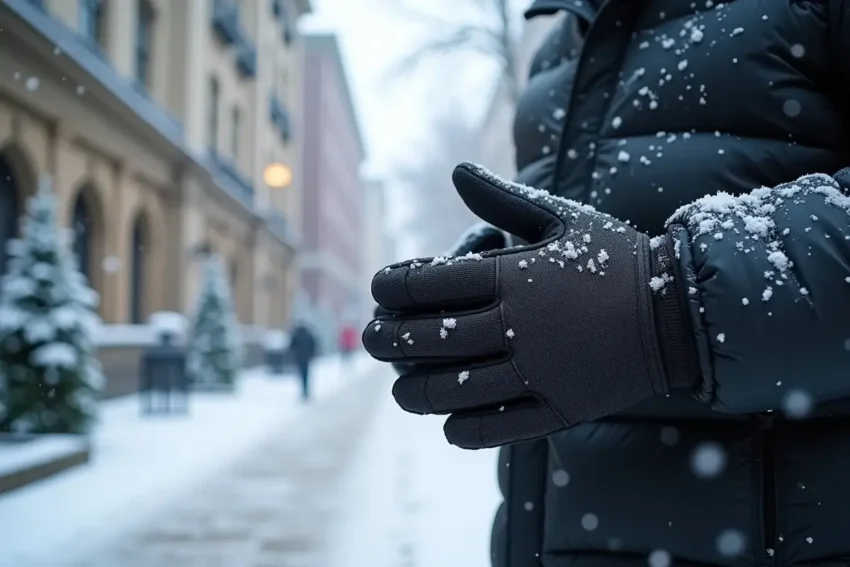
As the temperatures drop, we produce more energy, which provides for heat conservation. A survival mechanism for humans is to draw blood away from the extremities (hands and feet) to ensure core body temperature is maintained. While it is important to conserve heat, that leaves our hands very susceptible to losing heat and experiencing numbness and loss of dexterity, and potentially frostbite.
Insulation material provides a buffer against the physiological reaction by providing insulation and keeping you comfortable and safe when outdoors (throughout winter and extreme cold). Heated Gloves at ActionHeat have specific heated gloves that are available for individuals working in extreme cold, participating in winter sports, or anyone who is going to be exposed to cold temperatures for long periods of time.
Insulated gloves are vital for winter outdoor recreationists, outdoor workers, and those who will be exposed to cold conditions for extended periods of time. These gloves keep your hands warm while still maintaining your ability to use your hands, and they help to alleviate discomfort and hazards associated with exposure to cold temperatures. Insulated gloves are effective at slowing heat transfer out of the body, allowing you to spend more time outdoors without sacrificing safety and performance.
Contents
Heat Transfer Mechanisms and Insulation
Heat can be lost from your body by means of conduction, convection, and radiation. When referring to thermal insulation, there are several aspects of how the body loses heat that can help determine which glove’s material and construction are most conducive to retaining the warmth of your hands. These are:
- The manner in which heat is lost through conduction of heat from the body to a colder exterior (indirectly through a cold surface (like a metal tool, snow, etc)) is primarily accomplished through the evaporation of moisture. Materials that have good insulating capabilities (for example, Thinsulate™) create millions of tiny pockets of air to trap moist heat and prevent moisture from escaping to the exterior. As a result, conductive heat loss is slowed down. For additional information regarding Thinsulate™ liner material, see Thinsulate™ Liners.
- The manner in which heat is lost through convection from the body is due to the direct contact between the skin and the air surrounding it. Cold air (for example, when in contact with a cold surface) and colder air can draw heat away very rapidly. Gloves with tight cuffs trap warm air that is generated by your body and keep cold air (drafts) from entering the glove.
- The manner through which the body loses heat through radiation is because the human body emits heat as infrared energy. Gloves made of thin material have been constructed with reflective linings that allow radiant heat to be reflected back toward the hand and are therefore able to increase the thermal efficiency of the glove.
Recent research has revealed that not only should glove insulation minimize heat loss, but it also has to provide for the evaporation of perspiration. Proper glove insulation provides warmth to your hands while you maintain a balance of breathability and protection from the weather. For additional information regarding how to stay warm while engaged in outdoor activities, please refer to this article.
Materials Innovations in Insulated Gloves
The glove industry has undergone many significant material and technology innovations that have resulted in the way we protect our hands:
- Merino Wool: The naturally crimped hair fibers retain warmth, but are also highly breathable. In addition to keeping your hands warm, merino wool gloves manage moisture evaporation from your hands and are an excellent choice for use in climates where the temperature may fluctuate greatly. For additional information regarding the benefits of merino wool gloves, see Benefits of Merino Wool Gloves.
- Advanced Syntheses: Synthetic Insulators (such as PrimaLoft®) provide excellent warmth-to-weight ratios, providing thorough insulation with little bulk, and maintaining flexibility and dexterity in gloves. Flexibility and dexterity allow for detailed movement by providing protection from the elements.
According to New York Times reporters who tested many combinations of materials, “The best way to stay warm with gloves is to have a warm glove combine the insulating layers and the outer shells that keep out wind and water while allowing moisture to escape.” This evolving aspect of glove technology means the new generation of gloves will not only provide warmth but (in addition) will also adapt to changing environmental conditions and how the user will be using them.
Design Elements for Maximum Warmth
Layers
Most of today’s insulated gloves have multiple layers. Generally, this begins with the inside lining being soft, moisture-wicking fabric, an insulated layer in the middle, and a windproof and waterproof outer layer. The windproof and waterproof outer layer protects the wearer from moisture and keeps insulation dry while providing warmth, and everything else with this design also protects the hand from extreme weather.
Fit and Dexterity
Proper fit is very important in order for gloves to be worn properly. Too tight gloves can create pressure on blood vessels that reduces circulation, which can reduce the effectiveness of insulation, while too loose gloves allow cold air to come into the glove. Because of this factor, lightweight insulation and ergonomic shaping also increase dexterity, helping to allow for all activities, including using tools as well as using touchscreens.
Special Technologies Helping to Keep Our Hands Warm
There has been a lot of innovation in glove technologies and new technologies are continuing to provide solutions for warmth without losing any mobility. For example:
- Personal Heating Device: The Personal Heating Device (PHD2) produced by the U.S. Army warms the forearm and thus increases blood circulation to the fingertips and therefore increases the temperature of the hands due to the increase in blood circulation. This research has led to the development of a new generation of wearable heating systems that will allow you to have heated gloves without having to wear them in freezing temperatures.
- Smart Textiles: The Next Generation of Gloves provides sensors built in for tracking. Gloves with smart textiles allow monitoring hand movements in real-time as well as providing heat to the user and through this, these gloves provide utility in fields such as Sports, Healthcare, and Robotics. These gloves are currently under testing for both heat and tracking capabilities.
How to Select Insulated Gloves Based On Activity
- Activity Level: Make your glove choice based on the level of your activity. Individuals involved in skiing and running typically will be choosing a light layer of insulation, and those who spend a lot of time doing outdoor work or doing low movement in extremely low temperatures will typically need a thicker, higher loft insulation in their gloves.
- Weather Conditions: For gloves that are going to be worn in wet or windy conditions, it is important to look for gloves with a waterproof and windproof exterior. This type of glove will keep the insulation dry and will function properly under extreme weather conditions.
- Maintenance: Regular maintenance is very important in maintaining the durability and developing the warmth of your gloves. Make sure you fully dry your gloves after each use and also that you follow the manufacturer’s instructions for washing and storing your gloves so that you can help preserve your gloves over time.
Consulting with Experts on Outdoor Equipment Manufacturers can provide you with a lot of quality information about how to select your gloves so that you are able to match your glove technology with your specific needs and situation.
In Conclusion
To stay warm and comfortable when it is cold, understanding how heat is lost from the body and using gloves designed to combat heat loss from the body will help keep you warm and comfortable in the worst weather. Today, insulation in gloves has advanced over the years, now with such light-weight synthetics and devices producing heat on demand. By making the right gloves and properly maintaining them, you can ensure that you have a pair of gloves that will provide you with maximum insulation when you need it.