Common Types of Fire Damage in Homes
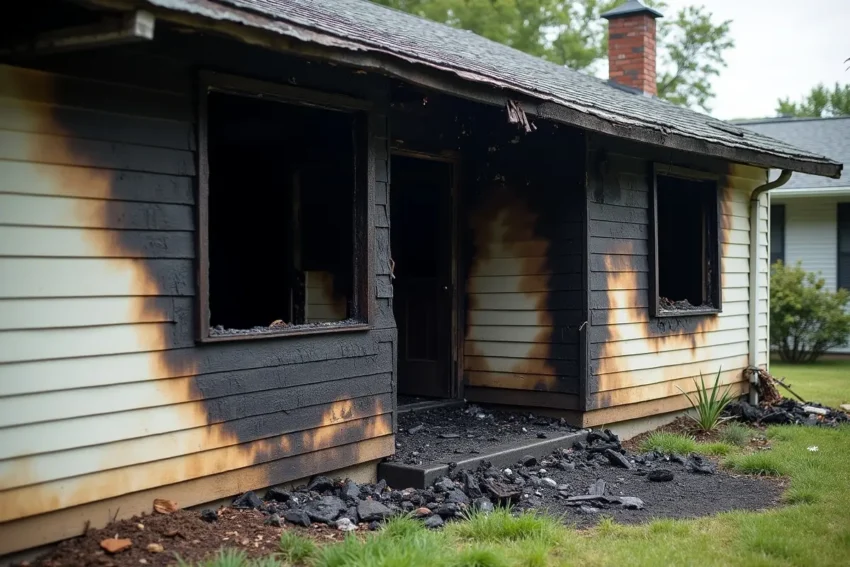
Fire damage in homes is often more serious than it first appears. While flames cause visible destruction, smoke, heat, and water can spread damage throughout the entire house. Knowing the common types of fire damage helps homeowners act quickly and make informed recovery decisions.
Contents
Fire Damage to Structures
Structural fire damage happens when flames directly burn parts of the home. Walls, floors, ceilings, and support beams can weaken or collapse after exposure to fire. Even areas that look intact may no longer be safe to support weight.
Hidden structural damage is one of the biggest dangers after a house fire. Heat can weaken wood framing, steel supports, and concrete without visible signs. Professional inspections are critical to determine whether the home is safe to enter or repair.
Smoke Damage
Smoke damage is one of the most widespread effects of a house fire. And smoke travels through vents, hallways, and wall cavities, leaving soot on surfaces far from the fire’s origin. This residue can stain walls, ceilings, furniture, and personal belongings.
Smoke odors are another serious issue after a fire. These smells sink deep into fabrics, carpets, and drywall and do not go away with simple cleaning. Without proper treatment, smoke odors can linger for months and affect indoor air quality.
Heat Damage
Heat damage occurs even in areas where flames never touched. High temperatures can warp wood, crack tiles, and shatter glass throughout the home. Appliances, cabinets, and fixtures may lose their shape or strength due to extreme heat.
Electrical systems are especially vulnerable to heat damage. Wires can melt or become brittle, increasing the risk of electrical failure or future fires. Damaged wiring must be inspected and replaced to restore safety.
Water Damage After Firefighting
Water damage often follows a house fire because of firefighting efforts. Fire hoses and sprinkler systems soak walls, floors, and ceilings to stop the flames. This sudden moisture can weaken materials and cause swelling, staining, or rot.
Standing water and damp materials create the perfect environment for mold growth. Mold can begin growing within 24 to 48 hours after water exposure. Quick drying and professional water removal are essential to prevent long-term health issues.
Chemical and Corrosive Damage
Fire extinguishers and firefighting chemicals can cause additional damage. These substances leave behind residues that are corrosive and difficult to clean. If not removed properly, they can damage surfaces, metals, and electronics.
Corrosive damage often continues even after the fire is out. Acidic residues can slowly eat away at wiring, appliances, and metal fixtures. Specialized cleaning is required to stop ongoing deterioration.
Content and Personal Property Damage
Personal belongings often suffer heavy damage during a house fire. Furniture, clothing, electronics, and keepsakes may be burned, soaked, or covered in soot. Some items can be restored, while others may be beyond repair.
The emotional impact of losing personal items can be overwhelming. Family photos, heirlooms, and meaningful possessions cannot always be replaced. Professional restoration teams can help salvage items and reduce emotional stress.
Why Professional Fire Damage Restoration Is Important
Fire damage restoration is a complex process that goes beyond surface cleaning. Professionals use specialized equipment to remove soot, neutralize odors, and repair damaged structures. Their training helps ensure the home is safe to live in again.
Trying to clean fire damage without proper tools can make problems worse. Smoke particles can spread, odors can deepen, and hidden damage may go unnoticed. Professional restoration helps protect both health and property value.
How to Prevent Further Damage After a Fire
Taking quick action after a fire can limit additional damage. Securing the property helps prevent weather exposure, theft, and vandalism. Covering damaged areas also reduces moisture buildup.
Homeowners should avoid touching soot-covered surfaces. Improper cleaning can smear residue and cause permanent staining. Calling professionals right away helps prevent costly secondary damage.
Conclusion
Fire damage in homes includes more than burned materials. Smoke, heat, water, and chemicals all contribute to serious and lasting damage. Understanding these common types of fire damage allows homeowners to respond quickly and recover safely.
Acting fast after a fire can make a major difference. Professional restoration helps protect health, restore property, and provide peace of mind. With the right support, recovery is possible even after a devastating house fire.