Summer-Ready Living: Transform Your Home into a Cool Retreat
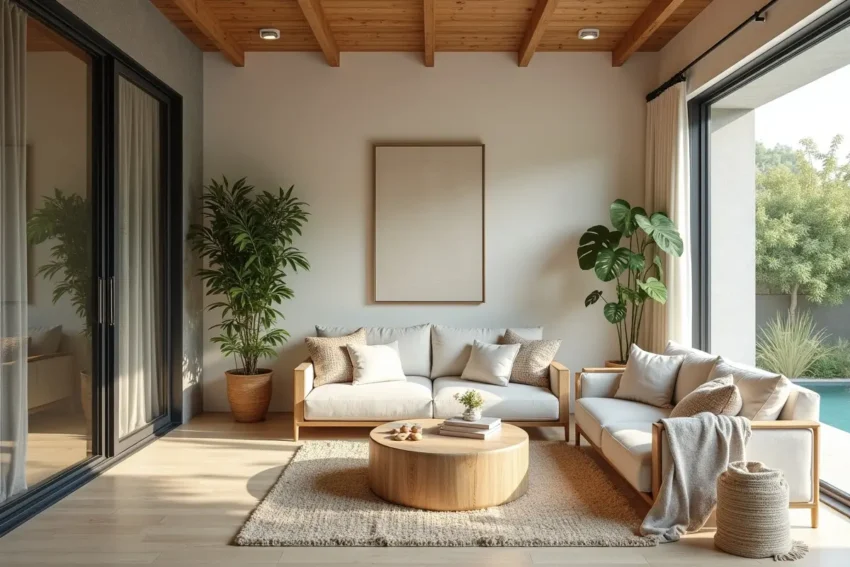
Summer doesn’t wait for you to get ready. It shows up fast, brings the heat with it, and before you know it, your home starts feeling different. Rooms get warmer earlier in the day. The air feels heavier by the afternoon. Nights don’t cool down the way you expect.
In places like Babylon, NY, this hits harder. The heat comes with humidity, and that changes everything. It’s not just about temperature. The air starts to feel thick, and your home can lose that comfortable feel if you don’t stay ahead of it. What worked in spring doesn’t always hold up once summer settles in.
You don’t need complicated fixes. A few smart steps, done early, can make a big difference.
Let’s walk through what actually helps and how you can prepare your space before the heat really kicks in.
Contents
- 1 Get Your Air Conditioner Checked and Serviced
- 2 Reduce Heat Entry Early
- 3 Improve Air Circulation Across Rooms
- 4 Use Fans to Support Cooling, Not Replace It
- 5 Seal Gaps Around Windows and Doors
- 6 Switch to Summer-Friendly Fabrics Indoors
- 7 Adjust Daily Habits That Add Heat Indoors
- 8 Use Dehumidifiers to Manage Moisture
Get Your Air Conditioner Checked and Serviced
This is where everything starts. If your AC isn’t working right, the rest won’t hold up.
In Babylon, NY, summer heat comes with humidity, and that makes things tougher. Your system isn’t just cooling the air. It’s also pulling moisture out. If it falls behind, the air feels sticky even when the temperature looks fine.
Start with the basics. Check your filters. If they’re dirty, airflow drops. Cooling becomes uneven. Walk through your home and notice if some rooms feel warmer than others.
If anything feels off, don’t wait. A top Babylon air conditioning company can check the system, clean it up, and fix issues before they turn into bigger problems. They know what to look for and how to keep things running smoothly during peak months.
Once your AC is doing its job properly, everything else becomes easier. The air feels lighter, and the whole space settles.
Reduce Heat Entry Early
Heat doesn’t need much time to settle in. Sunlight hits your windows, and within hours, the room starts holding that warmth. By afternoon, it feels heavier than it should.
So the move is simple: stop it before it builds. Close blinds or curtains during peak sun hours. Focus on windows that get direct light. Those are the ones doing most of the work when it comes to heating up your space.
Blackout curtains or thicker shades help more, but even basic blinds make a difference. You don’t have to keep everything dark all day. Just block the strongest sunlight when it matters.
Less heat coming in means your home stays cooler without extra effort.
Improve Air Circulation Across Rooms
Cooling one room isn’t enough. Air needs to move through the whole house.
When doors stay closed or vents get blocked, cool air gets trapped. Some rooms feel fine, others don’t. That imbalance makes the whole place feel off.
Keep interior doors open when you can. Check that vents aren’t covered by furniture. Even small things like a couch pushed too close can block airflow.
Hallways and corners are worth checking, too. Those spots tend to hold warm air longer.
Once air starts moving freely, the temperature evens out. The house feels more balanced, not just cooled in patches.
Use Fans to Support Cooling, Not Replace It
Fans work best when they support your AC, not replace it.
They don’t lower the temperature, but they help you feel cooler. That comes from moving air across your skin and reducing that heavy, still feeling.
Ceiling fans should spin counterclockwise during summer. That pushes air down. You’ll feel it right away. Portable fans can help, too. Place them where air feels stuck or near windows in the evening to pull cooler air in.
Used the right way, fans reduce how hard your AC needs to work. That keeps things comfortable without pushing your system too much.
Seal Gaps Around Windows and Doors
Cool air doesn’t stay inside if there are gaps. It slips out, and warm air finds its way in.
These gaps are easy to miss. Around window frames, under doors, along edges. You might not notice them at first, but they affect how well your home holds temperature.
Fixing it doesn’t take much. Weather stripping, caulking, maybe a door sweep. Simple steps, but they make a real difference.
Once sealed, your home holds cool air longer. The temperature stays more stable, and your system doesn’t have to work as hard.
Switch to Summer-Friendly Fabrics Indoors
Some of the heat you feel doesn’t come from outside. It comes from what’s inside your home.
Heavy bedding, thick curtains, dense rugs—they all hold warmth. Once they heat up, they don’t let go of it quickly. That’s why rooms can feel warmer even when the air is cool.
Switching things out helps more than you’d expect. Go for lighter fabrics like cotton or linen. These breathe better. They don’t trap heat the same way. Start with your bedroom. That’s where comfort matters most. Lighter sheets, lighter covers, even lighter curtains if needed.
It’s a simple change, but it makes your space feel cooler without touching the thermostat.
Adjust Daily Habits That Add Heat Indoors
A lot of indoor heat comes from everyday habits.
Cooking with the oven, running the dryer, even using certain appliances—they all release heat into your space. Do that during peak hours, and your home starts holding that warmth.
Shifting timing helps. Cook earlier in the day or later in the evening. Use smaller appliances when possible, such as microwaves or air fryers.
If you can, dry clothes outside or use proper ventilation. These small changes keep indoor heat from piling up.
Use Dehumidifiers to Manage Moisture
Sometimes the issue isn’t just heat—it’s the moisture in the air.
You walk into a room, and it feels sticky. Heavy. Even if the temperature isn’t that high, it still feels uncomfortable. That’s where a dehumidifier comes in. It pulls excess moisture out of the air. Once humidity drops, the space feels cooler almost instantly.
Focus on areas that stay damp. Basements, closed rooms, or spots with limited airflow.
Run it regularly, keep it clean, and empty it when needed. That’s all it takes. And the difference? You’ll notice it fast.
Summer heat doesn’t slow down, and it doesn’t really give you a break. It builds through the day, settles into your space, and lingers longer than you’d like. But when your home is set up the right way, it handles that pressure better. The air stays lighter. Rooms don’t heat up as fast. Comfort lasts longer without constant adjustments.
It’s not about chasing the perfect temperature. It’s about creating a space that feels steady, even when the weather isn’t.