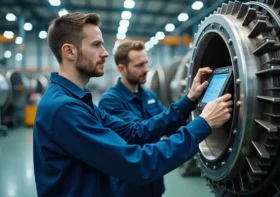
The Long-Term Value of Investing in Custom-Made Industrial Machinery

At its core, grain and seed processing is about changing raw agricultural produce into high-quality, market-ready products. The primary goals driving this intricate process are multifaceted: maximize product in the bag, minimize product shrinkage, and ensure product purity. Achieving these objectives requires unparalleled efficiency and effectiveness throughout every stage, from initial cleaning to final packaging. For seeds, an additional critical goal is maintaining and enhancing seed viability and commercial grade consistency, which directly impacts future crop yields and market value.
Investing in custom industrial machinery is not merely an upgrade; it’s a strategic decision to meet these exacting standards. Unlike off-the-shelf solutions, custom-designed systems are engineered to address the unique characteristics of specific grains and seeds, as well as the particular operational environment of a facility.
This custom approach allows for precision in handling, separating, and treating, which is essential for preserving the integrity of delicate seeds and grains while efficiently removing impurities. Companies specializing in custom grain and seed processing understand that a one-size-fits-all approach often falls short, leading to inefficiencies and compromising product quality.
Contents
- 1 Optimizing Efficiency with Custom Industrial Machinery
- 2 Impact on Product Quality and Market Value
- 3 Essential Components of an Integrated Processing Chain
- 4 Technological Integration and Automation in Modern Facilities
- 5 Economic and Sustainability Benefits of Advanced Systems
- 6 Overcoming Industry Challenges and Future Trends
- 7 Frequently Asked Questions about Grain and Seed Processing
- 8 Conclusion
Optimizing Efficiency with Custom Industrial Machinery
Efficiency in grain and seed processing is measured by several key metrics, including throughput, automated routing, precision grading, and industrial-scale sorting. Custom machinery excels in these areas by seamlessly integrating into existing workflows or by designing entirely new, optimized lines. For instance, advanced aspirators are engineered to separate products by density and aerodynamic profile, ensuring lighter impurities are removed without losing valuable grain. Easy-dump elevators facilitate rapid, gentle material transfer, minimizing bottlenecks and potential damage.
Perhaps one of the most visible impacts of custom machinery is in sizing shakers. These machines are designed to separate products like peanuts, almonds, beans, and various grains by specific size, a crucial step for consistent product quality and market grading. When integrated into a larger system, such precise equipment contributes to a higher overall consistent yield, reducing waste and increasing profitability.
Impact on Product Quality and Market Value
The relentless pursuit of product purity is a hallmark of successful grain and seed operations. Custom industrial machinery plays a pivotal role in this by facilitating superior impurity removal. Equipment such as gravity separators, for example, are leaders in making fine, definite separations based on weight differences, effectively removing foreign materials, damaged kernels, or immature seeds that might otherwise contaminate the batch. This level of precision is vital for meeting stringent purity standards demanded by consumers and regulatory bodies.
For seed processors, the gentle handling capabilities of custom equipment are crucial for germination preservation. Harsh processing can damage seed embryos, reducing viability. Custom systems are designed to minimize mechanical stress, ensuring that processed seeds retain their full growth potential.
This commitment to quality directly translates into higher commercial-grade consistency, allowing producers to command better prices and build a reputation for reliability in the market. Custom solutions are about delivering not just quantity but also uncompromising quality, enhancing both the product’s market value and the processor’s reputation.
Essential Components of an Integrated Processing Chain
A comprehensive grain and seed processing chain involves a series of interconnected stages, each requiring specialized equipment to achieve optimal results. From the moment raw material arrives, through various cleaning, sorting, and treatment steps, to final packaging, every component must work in harmony. The goal is to progressively refine the product, removing impurities and categorizing it according to specific quality parameters.
Here is a list of essential industrial processing equipment that forms the backbone of a modern grain and seed processing facility:
- Aspirators: For separating materials by density and aerodynamic profile.
- Screen Cleaners (e.g., Delta Screen Cleaner, Rotoclean Scalperator): For pre-cleaning, fine cleaning, and grading based on size.
- Destoners: To remove stones and heavy impurities based on specific weight.
- Indented Cylinder Separators: For length grading and extracting unwanted admixtures.
- Cylindrical Graders: For sorting and grading based on width and thickness.
- Gravity Separators: To separate products based on weight difference.
- Color Sorters: For optical sorting based on color and other visual characteristics.
- Maize Shellers: For gently separating maize kernels from cobs.
- Drum Scalpers: For heavy-duty coarse cleaning of grains and oilseeds.
- Thermal Mixers / Centricoaters / Continuous Coaters: For uniform seed treatment and coating.
- Jog Conveyor Dryers: For gentle drying of coated seeds.
- Brush Machines / Velvet Rollers / De-Awners: For specialized cleaning and conditioning of specific seed types.
- Belt Sorters: For separating kernels based on shape.
- Easy Dump Elevators / Vibratory Conveyors: For efficient and gentle material handling.
- Automatic Sample Takers: For continuous quality control.
Primary Processing: Cleaning, Grading, and Hulling
The initial steps in grain and seed processing are crucial for removing foreign materials and preparing the product for further refinement. Cleaning is typically the first stage, where equipment such as scalpers (such as the Rotoclean Scalperator, capable of robust separation of grain and maize at high capacities) and drum scalpers perform heavy-duty coarse cleaning to remove large debris, straw, and other foreign matter. Following this, destoners use specific weight differences to separate stones and other heavy contaminants from the grain.
Grading involves sorting the cleaned product by various physical attributes. Indented cylinder separators are indispensable for length grading, effectively removing shorter or longer admixtures from materials like wheat, oats, rice, lentils, and sunflower seeds. Similarly, cylindrical graders handle width grading and thickness sorting, ensuring uniformity in size, which is critical for consistent cooking, milling, or planting performance.
For instance, the Crippen MICRO 180 machine uses multiple screens and aspirators to achieve precise cleaning and grading. You can learn more about the critical role of industrial grain screening equipment in the agriculture industry by exploring resources like The Critical Role of Industrial Grain Screening Equipment in the Agriculture Industry.
Hulling (or dehulling) is another primary processing step, particularly for grains like rice, oats, and some legumes, in which the outer protective layer (husk or hull) must be removed. Equipment such as maize shellers is designed to gently separate kernels from the cob without damaging the seed’s germination potential.
The choice of hulling equipment depends heavily on the specific grain and the desired final product, aiming to maximize yield while minimizing breakage. For a comprehensive overview of post-harvest processing, including cleaning, grading, and hulling, the FAO’s guide on POST-HARVESTING PROCESSING offers valuable insights.
The Role of Thermal Mixers and Advanced Coating Systems
Beyond basic cleaning and grading, many seeds and grains require specialized treatments to improve their value, protect them from pests and diseases, or improve their growth characteristics. This is where thermal mixers and advanced coating systems come into play.
A thermal mixer, often referred to as a heating mixer, can be used for various applications, including preconditioning grains or seeds before further processing or applying treatments that require specific temperature control. For example, some seed treatments might benefit from a controlled temperature environment to ensure even distribution and absorption of protective agents.
Seed treatment involves applying various chemical or biological agents to the seed surface. This can include fungicides, insecticides, nutrients, or growth stimulants. To ensure uniform chemical application, specialized equipment like centricoaters and continuous coaters is used.
These machines are engineered to apply a precise and even layer of treatment to each seed, preventing clumping and ensuring maximum efficacy. For instance, Cimbria’s Centricoater provides uniform coating for value-added protection and increased growth ability, while their Continuous Coater ensures consistent application of protective chemicals.
After coating, proper moisture management is crucial. Seeds must be dried gently and efficiently to prevent damage to the coating and to maintain seed viability. Jog conveyor dryers are specifically designed for the gentle drying of coated seeds over short distances, ensuring the treatment adheres properly without compromising the seed’s quality. This careful application and drying process significantly improve growth, resulting in healthier seedlings and better crop establishment.
These advanced systems not only protect the seeds but also add significant value, making them more resilient and productive, which is a key consideration for modern agriculture.
Technological Integration and Automation in Modern Facilities
The landscape of grain and seed processing is rapidly evolving, driven by the imperative for higher efficiency, improved quality, and stricter safety standards. Technology and automation are at the forefront of this change, fundamentally reshaping how facilities operate.
Modern processing plants leverage sophisticated automation platforms that integrate various stages of the process, from receiving and routing to coating and load-out. This integration allows for seamless data flow, enabling real-time monitoring and control across the entire operation.
These platforms often incorporate data integration capabilities, linking disparate systems such as enterprise resource planning (ERP), quality control, and inventory management. This holistic view provides operators with comprehensive insights, allowing for proactive adjustments and optimized decision-making.
The result is a significant boost in processing efficiency and a tangible improvement in product quality. For example, Repete’s automation solutions focus on aligning data with regulations, nutritional science, equipment, and business systems, offering a unified approach to seed and grain processing.
Enhancing Quality Control through Custom Industrial Machinery
Quality control is paramount in grain and seed processing, impacting everything from consumer safety to market value. Automation, particularly when coupled with custom industrial machinery, lifts quality assurance to new levels. Automated sampling systems, such as those that collect seed samples from processing plants for quality control, ensure continuous monitoring without human intervention, reducing variability and error. An automatic sampler can draw sub-samples every half minute, creating a composite sample for every five tonnes processed, as highlighted by Granta Processors.
Key technologies that improve quality control include:
- Lot tracking: Automated systems provide end-to-end traceability, allowing processors to track every batch from harvest to final product. This is invaluable for pinpointing issues and complying with regulatory requirements.
- Moisture testing: Integrated moisture testers provide instant readings, ensuring grains and seeds are at optimal moisture levels for storage and processing, preventing spoilage and maintaining quality. Moisture testers are available for a wide range of grains.
- Impurity removal: Beyond mechanical separation, advanced systems employ sophisticated techniques. X-ray scanning can detect foreign objects that traditional methods might miss, offering superior results for certain problems. Metal detection ensures that no metallic contaminants enter the final product, a critical step for food safety and a standard practice just before packaging. You can find various seed cleaning equipment that incorporates these features.
These integrated systems are vital for meeting rigorous standards such as GFSI (Global Food Safety Initiative) compliance and other food safety certifications. By minimizing manual intervention and maximizing precision, custom machinery significantly reduces the risk of human error and contamination, bolstering overall food safety.
Impact of Automation on Operational Safety
Safety is a non-negotiable aspect of any industrial operation, and grain and seed processing facilities present unique challenges, particularly in preventing dust explosions. Grain dust is highly combustible, and if suspended in air and ignited, it can lead to catastrophic explosions. Automation plays a critical role in mitigating these risks.
Automated systems are designed to:
- Control grain dust: Enclosed conveying systems, such as tubular cable conveyors or flexible screw conveyors, minimize dust escape. Integrated dust collection systems capture airborne particles at key transfer points, preventing hazardous accumulations.
- Monitor ignition sources: Automated sensors can detect overheating equipment, sparks, or static electricity build-up, triggering immediate alerts or automatic shut-offs.
- System venting: Properly designed system venting to dust collectors ensures that displaced air and fine particles are safely contained, preventing pressure build-up and dust release.
- Automated shut-offs: In the event of a detected hazard, automated systems can quickly initiate automated shut-offs, isolating sections of the plant or halting operations entirely to prevent escalation.
Furthermore, gentle handling of grains and seeds at slower speeds, facilitated by automated conveyor systems, helps minimize the creation of fines, a primary contributor to combustible dust. By integrating these safety features, modern processing facilities can create a much safer working environment, protecting both personnel and valuable assets. The importance of gentle handling is underscored by case studies, such as Manitoba Harvest’s use of flexible screw conveyors to improve product quality and reduce waste.
Economic and Sustainability Benefits of Advanced Systems
The decision to invest in advanced, custom-made industrial machinery for grain and seed processing extends far beyond immediate operational improvements. It represents a strategic commitment to long-term economic viability and environmental responsibility. These systems are designed with life-cycle cost engineering in mind, focusing on solutions that offer value for money across cleaning, grading, and sorting, ultimately leading to a faster ROI (Return on Investment).
One of the most significant benefits is reduced energy consumption. Modern machinery is engineered for efficiency, leveraging advanced motor controls, intelligent sensors, and optimized designs to reduce energy consumption. This not only lowers operational costs but also reduces a company’s carbon footprint. Coupled with reduced labor costs through automation, facilities can achieve higher productivity with fewer personnel, freeing up human resources for more skilled tasks.
Integrating Sustainability into Industrial Operations
Sustainability is no longer a buzzword but a core operational principle for forward-thinking processors. Advanced grain and seed processing systems are instrumental in integrating sustainable practices:
- Traceability: End-to-end traceability systems, often built into automation platforms, enable precise tracking of products from origin to the final consumer. This supports transparency and accountability in the supply chain, a key demand for sustainably sourced products. Scoular, for instance, emphasizes end-to-end supply chain solutions with a strong focus on traceable food sources and participation in USDA ‘Climate-Smart’ initiatives.
- Regenerative sourcing: By supporting and integrating with farmers practicing regenerative sourcing, processors contribute to healthier ecosystems and more resilient food systems. This commitment can be showcased through certifications and partnerships.
- Dust emission reduction: Enclosed systems and efficient dust-collection technologies significantly reduce dust emissions, improving air quality within the facility and minimizing environmental impact.
- Waste utilization and by-product generation: Advanced processing often enables efficient waste utilization and the generation of valuable by-products. For example, bran removed during milling can be used for animal feed or other industrial applications, turning what would once be waste into an additional revenue stream. The book “Unit Operations in Food Grain Processing” digs into value addition and by-product utilization.
These sustainable practices not only align with growing consumer demand for eco-friendly products but also often lead to operational efficiencies and cost savings, creating a virtuous cycle of responsible, profitable processing.
Long-Term Financial Gains from Reduced Shrinkage
Post-harvest losses are a significant drain on profitability, with cereals alone accounting for 10-20% losses in developed countries and 30-40% in developing regions. Custom industrial machinery directly addresses this by facilitating substantial reduced shrinkage throughout the processing chain.
- Product recovery: Precision cleaning and sorting equipment ensures maximum product recovery. For example, efficient gravity separators can reclaim viable seeds that might otherwise be discarded as waste.
- Minimized breakage: Gentle handling mechanisms, such as specialized conveyors and shellers, prevent physical damage to seeds and grains, reducing breakage and improving market value. This is especially crucial for delicate products like hulled hemp seeds, where previous bucket conveyors led to significant losses due to degradation.
- Optimized power consumption: As mentioned, energy-efficient designs help lower utility bills over the equipment’s lifespan, providing continuous savings.
- Maintenance longevity: Custom-built machinery, often constructed with high-quality, durable materials and designed for specific operational demands, typically offers greater maintenance longevity. This reduces downtime, lowers repair costs, and ensures consistent production, all contributing to a more predictable and profitable financial outlook.
By investing in systems that minimize losses and optimize resource use, businesses secure substantial long-term financial gains, making advanced grain and seed processing systems a sound and strategic investment.
Overcoming Industry Challenges and Future Trends
The grain and seed processing industry operates within a dynamic environment, constantly facing challenges ranging from operational safety to global logistics and environmental pressures. However, these challenges also drive innovation, leading to exciting future trends in technology and practices.
Global supply chains introduce complexities related to logistics, quality consistency, and regulatory compliance across different regions. The industry is moving towards more robust digital platforms for managing these complexities, ensuring end-to-end visibility and traceability.
Climate-smart initiatives are also shaping the future. As climate change impacts agricultural yields and patterns, processors are increasingly seeking ways to reduce their environmental footprint, conserve resources, and adapt to new raw material characteristics. This includes adopting energy-efficient machinery, optimizing water usage, and exploring sustainable packaging solutions.
Finally, emerging technologies in unit operations are continuously being developed. This includes advancements in optical sorting (hyperspectral imaging for even finer defect detection), artificial intelligence and machine learning for predictive maintenance and process optimization, and novel methods for seed treatment and preservation. The CIGR Handbook of Agricultural Engineering, Volume IV Agro Processing Engineering, Chapter 1 Grains and Grain Quality, Part 1.1 Grain Quality, provides foundational knowledge on postharvest operations that these new technologies aim to improve.
Frequently Asked Questions about Grain and Seed Processing
How does custom machinery improve food safety and regulatory compliance?
Custom machinery significantly improves food safety and regulatory compliance by providing custom solutions that meet specific industry standards and product requirements. For instance, facilities can achieve GFSI (Global Food Safety Initiative) standards and maintain certifications such as BRC (British Retail Consortium) registration through systems designed for hygiene, precise impurity removal, and contamination prevention.
Automated lot tracking ensures complete traceability, enabling rapid identification and isolation of potentially compromised batches and minimizing public health risks. Furthermore, features like integrated X-ray scanners and metal detectors provide an additional layer of contamination prevention, ensuring that foreign objects are removed before products reach consumers. By minimizing human contact and standardizing processes, custom systems reduce variability and error, which are critical for maintaining strict food safety protocols.
What are the primary economic drivers for upgrading to custom industrial systems?
The primary economic drivers for upgrading to custom industrial systems are rooted in long-term profitability and operational efficiency. Firstly, a faster ROI is achieved through optimized processes that reduce waste and maximize output. Custom solutions are designed to reduce post-harvest losses, which can be substantial (up to 40% in some regions), by improving cleaning, grading, and handling. Secondly, these systems often lead to lower operating manpower requirements, as automation streamlines tasks, reducing labor costs.
Thirdly, energy efficiency is a key consideration in custom design, resulting in lower utility expenses over the equipment’s lifespan. Finally, custom machinery typically offers longer maintenance intervals due to robust construction and precise engineering, resulting in less downtime and lower repair costs. These combined factors contribute to a more predictable and healthy bottom line.
How do processing needs vary between cereals, oilseeds, and legumes?
The processing needs for different types of seeds and grains vary significantly due to their distinct physical and chemical properties.
- Cereals (e.g., wheat, corn, rice): These are primarily processed for their starch content. Processing often involves extensive cleaning, drying to specific moisture levels (10-15% for storage), and milling. For rice, hulling requirements are critical for separating the husk from the grain, and parboiling may be used to improve milling yield. For corn, gentle density separation is important to remove damaged kernels and foreign materials.
- Oilseeds (e.g., flax, sunflower, soybeans): These are processed for their high oil content. The primary concern is often to extract the oil efficiently while preserving its quality, or to process the remaining meal. Gentle handling is paramount to prevent crushing and premature oil release, which can lead to rancidity. Seed coat fragility can also be a factor, requiring specialized equipment to avoid damage during cleaning and conveying. For flaxseed, specific processing lines are designed to ensure high purity.
- Legumes (e.g., beans, lentils): Legumes are processed for their protein content. Processing focuses on cleaning, grading for size and color, and often polishing to improve appearance. Density separation is crucial to remove immature, shriveled, or insect-damaged beans. Their seed coat fragility can vary, impacting the choice of cleaning and handling equipment to prevent splitting or cracking.
Each category requires specialized equipment and custom processes to optimize yield, maintain quality, and prepare the product for its intended end-use, whether for food, feed, or industrial applications. The Agronomy Handbook 2023: Part V. Seeds and Stored Grains provides further details on managing different seed and grain types.
Conclusion
The journey from raw harvest to market-ready product in the grain and seed processing industry is complex, yet vital for global food security. As demand for quality and efficiency grows, the long-term value of investing in custom-made industrial machinery becomes increasingly evident. These custom solutions are not just about incremental improvements; they represent a fundamental shift towards optimized processes, superior product quality, and sustainable operations.
By embracing strategic investment in bespoke systems, processors can achieve unparalleled industrial scalability, ensuring they meet current market demands while being prepared for future growth. Such an approach facilitates future-proofing operations against evolving challenges, from stringent food safety regulations to the impacts of climate change.
Custom machinery provides robust quality assurance at every step, delivering pure, high-grade products that improve profitability and contribute significantly to global food security. For those looking to lift their processing capabilities and secure a competitive edge, the path forward is clear: invest in intelligent, custom-engineered solutions that deliver enduring value.