Sustainable Home Renovation Tips for a Greener Future
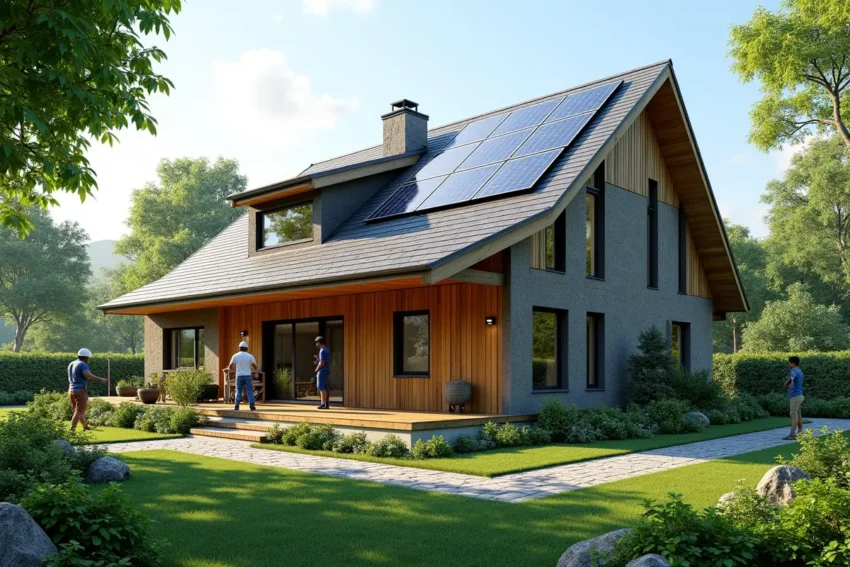
Home Renovation is more than just updating an outdated space. It is an excellent opportunity to embrace environmentally conscious changes that help create a healthier planet. By prioritizing eco-friendly materials and modern, energy-saving solutions, homeowners can significantly decrease their environmental impact while maximizing long-term efficiency and savings. There are also professionals, like a trusted restoration company, who can help guide your project toward sustainability from the very start.
Small decisions, such as choosing reclaimed wood or investing in renewable energy, can have a significant impact on your carbon footprint. Sustainable renovation is not only about making eco-friendly choices. It is also about creating a comfortable and durable home for the future. Whether you’re designing a new kitchen or upgrading fixtures, integrating sustainability means your home can be both beautiful and responsible.
Each renovation project you complete with the environment in mind contributes to broader community and global conservation and stewardship goals. By making informed choices now, you ensure the space you call home is not only functional and inviting but also a positive force for change. Simple strategies, such as improving insulation or installing smart technology, can pay off in comfort and cost savings for years to come.
Contents
Choose Sustainable Materials
Sustainable renovation starts with thoughtful material choices. Reclaimed wood for flooring, walls, or cabinetry offers a timeless appeal and reduces demand for new raw materials, ultimately helping curb deforestation. Using recycled glass or concrete for surfaces provides durability and unique aesthetics while leveraging materials that might otherwise end up in a landfill. To further protect indoor air quality, look for low-VOC (volatile organic compound) paints and finishes made from natural sources. These finishes release fewer toxic fumes, providing a safer space for your family during and after renovation.
Upgrade to Energy-Efficient Appliances and Fixtures
Modern energy-efficient appliances can dramatically cut your home’s power and water consumption. Seek out ENERGY STAR-certified refrigerators, washing machines, and dishwashers. These are specifically designed to use less electricity and water, reducing monthly utility bills without compromising performance.
Replacing old bulbs with LED lighting is a fast way to save energy, as LEDs use at least 75 percent less energy and last much longer than traditional incandescent bulbs. In the bathroom and kitchen, installing low-flow faucets and showerheads, as well as dual-flush toilets, curbs unnecessary water waste while maintaining strong function for your daily needs.
Incorporate Renewable Energy Sources
Renewable energy integration helps move your home away from reliance on fossil fuels. Solar panels are increasingly accessible and can cover a large share of your energy consumption. For those unable to make a full investment, solar water heaters or even small-scale solar installations can make a huge difference.
Participating in local or community solar programs is another option for clean energy, even if you do not have suitable roof space or property. The U.S. Department of Energy provides additional guidance and case studies on how different types of homes are transitioning to solar and other renewables.
Enhance Insulation and Air Sealing
Without proper insulation and air sealing, your house can lose significant amounts of heating and cooling, driving up energy costs and decreasing comfort. Natural insulation materials like sheep’s wool and hempcrete are increasingly popular for their effectiveness and renewable origins.
These materials manage both temperature and moisture, providing a durable solution. Sealing gaps around doors, windows, and utility penetrations keeps conditioned air inside, reduces drafts, and helps your HVAC or heating system perform more efficiently year-round.
Implement Water-Saving Measures
Every drop saved counts, especially as water resources face increased demand and stress. Swap out old showerheads and faucets for low-flow models to reduce daily water use. Dual-flush toilets help you use only the water needed with each flush, dramatically cutting water waste. Home rainwater harvesting systems are also gaining popularity. These systems can collect and store rainwater for landscape irrigation and other non-potable uses, reducing pressure on municipal supplies and lowering utility expenses.
Utilize Smart Home Technologies
Today’s smart home technologies make it easier than ever to manage energy consumption. Programmable thermostats adapt to your schedule, adjusting temperatures automatically to save energy when you are away. Smart lighting systems let you set timers, control them remotely, and even use sensors to keep lights on only when needed. These technological additions make everyday living more convenient and environmentally friendly, further supporting your sustainability goals.
Practice Responsible Demolition and Recycling
Renovation often means demolition, but that does not have to spell unnecessary waste. Salvage cabinets, fixtures, and appliances that are still usable. Donating these items to organizations or local charities keeps them out of landfills while benefiting others in your community. During construction, separate recyclables like metal, glass, and concrete so they can be processed and reused in other projects.
Final Thoughts
Making sustainable choices in your home renovation delivers meaningful benefits both to your living environment and to the planet. Each decision, from the materials you select to the appliances you install, adds up to a healthier, greener future. Adopting these strategies ensures your home is ready to meet the challenges of tomorrow, enjoying greater comfort, efficiency, and a reduced environmental footprint for years to come.