Sustainable Choices for a Greener Home
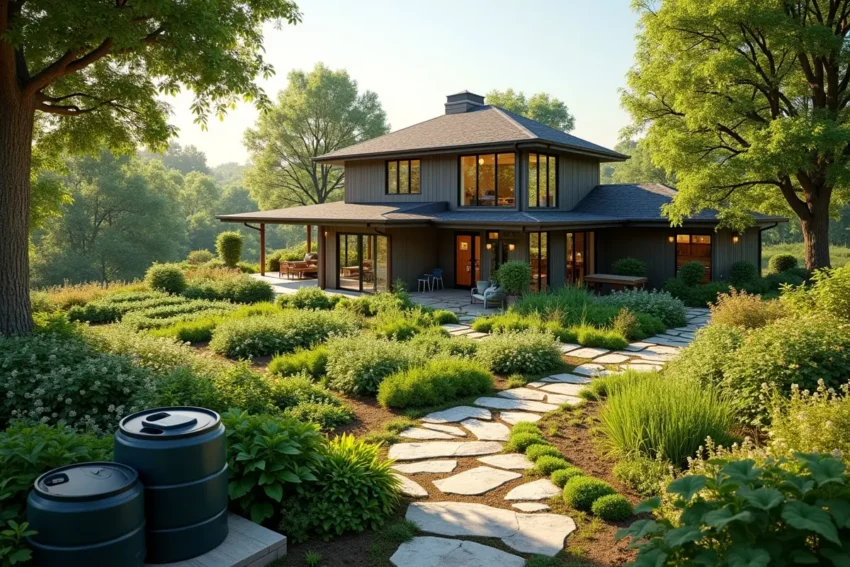
Building a greener home isn’t just a trend—it’s a thoughtful response to our growing need for sustainable living. Homeowners are increasingly embracing eco-friendly solutions that combine energy savings, resource conservation, and health-conscious choices. Whether you’re renovating an existing house or planning a new build, the journey toward sustainability is both rewarding and accessible.
Early adoption of sustainable strategies, such as upgrading to energy-efficient appliances and sourcing materials responsibly, fosters a positive environmental impact while also reducing costs over time. For homeowners seeking inspiration or guidance, Indra Energy offers numerous ideas and energy solutions to support eco-conscious decisions.
Implementing green solutions at home is more achievable thanks to technological advancements and the greater availability of sustainable products. Integrating smart home controls, selecting low-impact paints, and making strategic landscape decisions all contribute to both your family’s health and the health of the planet.
These sustainable choices not only minimize your house’s carbon footprint but can also improve daily comfort and save money in the long run. Each aspect of a greener home, from efficient appliances to eco-friendly landscaping, brings specific benefits that accumulate into substantial reductions in energy use and waste.
Contents
Energy-Efficient Appliances
Switching to energy-efficient appliances is a foundational move toward a greener lifestyle. Modern refrigerators, washing machines, and dishwashers equipped with Energy Star labels use up to 50% less electricity and water than their older counterparts. Upgrading a decades-old refrigerator, for instance, could prevent hundreds of pounds of CO₂ emissions annually and save you up to $300 over its lifetime. These upgrades are now incentivized by many local governments, making energy-efficient options more accessible than ever before.
Sustainable Materials
Materials make a significant difference in your home’s sustainability. Selecting rapidly renewable resources like bamboo or responsibly sourced cork for your floors and cabinetry reduces pressure on traditional forests and decreases your carbon footprint.
Reclaimed wood is not only stylish and full of character, but also prevents the harvesting of new timber, supporting forestry conservation. When remodeling, even choosing recycled glass or metal for countertops and backsplashes can keep waste out of landfills while delivering a unique and beautiful design.
Smart Home Technologies
Smart home technologies offer intuitive ways to curb energy waste. Smart thermostats that learn from your schedule and preferences can optimize heating and cooling, reducing energy use by up to 10% annually, according to the U.S. Department of Energy. Additionally, automated, remote-controlled lighting systems ensure energy isn’t wasted when rooms are empty. The integration of smart plugs and energy monitors helps track appliance use, empowering you to identify and address inefficiencies throughout your home.
Water Conservation Strategies
Water usage is another critical area where sustainable choices make a substantial impact. Simple changes, such as installing low-flow showerheads, faucets, and dual-flush toilets, can conserve thousands of gallons of water per year. For example, a dual-flush toilet alone can save a typical family up to 13,000 gallons annually.
Adding rainwater-harvesting systems or using greywater to irrigate your garden extends these savings beyond your household, ensuring that both your household and your landscaping remain eco-friendly and cost-effective.
Eco-Friendly Paints and Finishes
Many conventional paints release volatile organic compounds (VOCs), which contribute to indoor air pollution and health risks. By using low-VOC or zero-VOC paints, you can significantly improve your home’s indoor air quality while reducing environmental harm. Natural finishes, such as plant-based oils and water-based stains, complement this by offering non-toxic protective coatings for wood, stone, and metal surfaces. Making these simple choices ensures that your living space is not only beautiful but also safe for all occupants.
Renewable Energy Integration
Investing in renewable energy systems, such as solar panels or geothermal pumps, is one of the most effective ways to reduce your household’s carbon footprint. Solar panels have become increasingly cost-effective, particularly as federal and local incentives offset initial costs. By generating your own solar power, you can dramatically reduce your grid electricity use. Geothermal heating and cooling solutions use the earth’s stable temperatures to provide highly efficient year-round climate control and greatly reduce reliance on fossil fuels.
Sustainable Landscaping
Landscaping with sustainability in mind means choosing native, drought-tolerant plants that require less water and maintenance. Lawn alternatives such as ground covers or wildflower meadows support local pollinators and biodiversity, while mulching helps retain soil moisture and suppresses weeds. Installing rain gardens or permeable pavers can reduce stormwater runoff, protecting local waterways. Efficient irrigation and mindful plant selection transform outdoor spaces into resource-conserving extensions of your sustainable home.
Final Thoughts
Adopting sustainable choices in your home is both practical and powerful, offering clear benefits for your wallet, comfort, and the environment. Energy-efficient upgrades, responsible materials, and integrated smart technology promote a greener, healthier lifestyle. By making incremental improvements across appliances, water usage, finishes, and landscaping, you’ll create a home that’s resilient to future challenges and aligns with the latest standards of sustainable living.