How Stress and Screen Time Are Changing the Way Our Faces Age
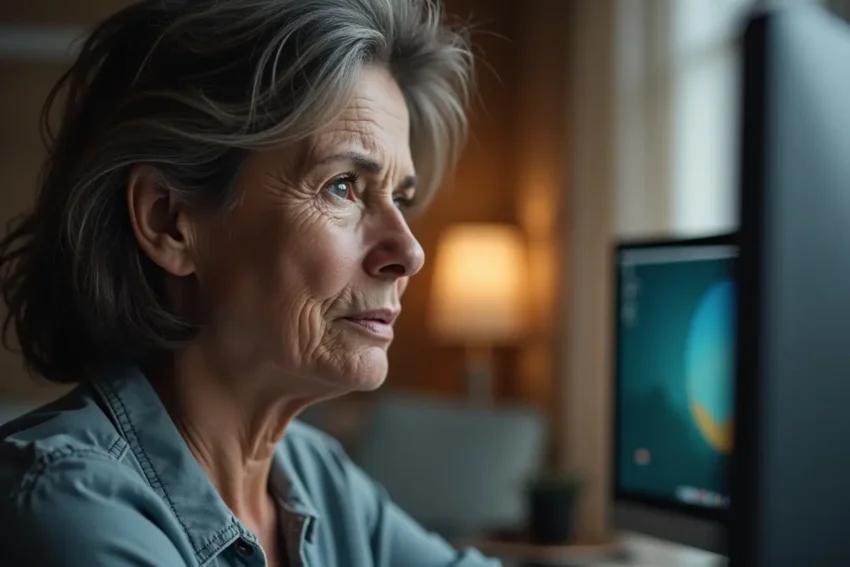
Aging has always been part of life. But the way our faces are aging now looks different than it did even ten or fifteen years ago.
We are not spending long days outdoors without sunscreen like past generations. We are not living in the same rhythm of work and rest. Instead, we are staring at screens for hours. We are sleeping less. We are carrying stress that follows us home through notifications and emails.
Modern life has shifted how our skin behaves and how our expressions settle into our faces.
It is not only about getting older. It is about how we are living.
Stress and screen time are shaping facial aging in ways that feel subtle at first, then noticeable. Understanding how this happens can help you respond thoughtfully rather than reactively.
Contents
- 1 The Face Reflects Repetition
- 2 Screen Time Changes Posture and Muscle Balance
- 3 Stress Impacts Skin From the Inside
- 4 The Rise of “Resting Focus Face”
- 5 Sleep Deprivation Adds Another Layer
- 6 Environmental Stress Is Constant
- 7 Why Subtle Prevention Is Gaining Attention
- 8 Skincare Alone Is Not Always Enough
- 9 The Emotional Side of Modern Aging
- 10 How to Respond Without Overreacting
- 11 The Future of Aging Looks Different
The Face Reflects Repetition
Your face remembers what you repeat.
If you frown at a screen all day, that expression becomes familiar. If you squint while reading small text, those muscles activate constantly. If you clench your jaw during stressful meetings, tension settles in your lower face.
Over time, repeated muscle movement contributes to fine lines. The skin begins to fold along the same pathways again and again.
Common modern habits include:
- furrowing brows while focusing on devices
- raising eyebrows during video calls
- squinting at phones late at night
- pressing lips together while concentrating
- tightening the jaw under stress
These micro-expressions may feel harmless, but repetition builds memory in the muscles.
The result is often early forehead lines, vertical frown lines, and tension around the mouth.
Screen Time Changes Posture and Muscle Balance
Aging is not only about wrinkles. It is about structure.
Hours spent looking down at phones changes posture. The head tilts forward. The neck tightens. The lower face shifts slightly downward.
This posture affects more than your spine. It influences how facial muscles sit at rest.
Constant downward gaze can deepen lines around the neck and jaw. It can also create heaviness in the lower face because the muscles are not balanced.
When posture shifts, gravity works differently on the skin.
That combination of tension and gravity can accelerate visible changes.
Stress Impacts Skin From the Inside
Stress does not only change expressions. It changes chemistry.
When the body experiences chronic stress, cortisol levels increase. Elevated cortisol can impact collagen production. Collagen is the protein that keeps skin firm and elastic.
Lower collagen over time means skin loses structure more quickly.
Stress can also contribute to:
- breakouts
- dullness
- dryness
- increased sensitivity
- slower healing
Even if someone maintains a good skincare routine, unmanaged stress can undermine those efforts.
Modern stress is constant. It is not one difficult moment. It is ongoing background pressure.
That cumulative effect shows up on the skin.
The Rise of “Resting Focus Face”
In the past, resting expressions were often neutral.
Now, many people carry what could be called a “resting focus face.” It is the look you have when reading emails, replying to messages, or scrolling.
Brows slightly drawn together. Lips slightly tense. Eyes narrowed.
It is not an emotional expression. It is a concentration expression.
But the muscles do not know the difference between emotional and mechanical repetition. They simply respond to use.
As a result, lines between the brows and across the forehead appear earlier than expected.
People often describe this as looking tired or serious, even when they feel calm.
Sleep Deprivation Adds Another Layer
Screen time often pushes sleep later.
Scrolling before bed disrupts melatonin production. Notifications interrupt rest. Many people sleep fewer hours than their bodies need.
Sleep is when the skin repairs itself.
Without consistent rest, skin can look thinner and less resilient. Under-eye circles deepen. Puffiness lingers longer. Fine lines become more noticeable.
When sleep quality drops, stress and muscle tension often increase, which compounds the effect.
The face reflects both exhaustion and expression.
Environmental Stress Is Constant
Beyond screens and posture, modern life includes constant environmental exposure.
Indoor heating and cooling systems dry the skin. Blue light exposure is ongoing. Air pollution remains a factor in many cities.
None of these elements individually cause dramatic aging. But together, they create a steady stream of small stressors.
The skin is resilient, but it responds to cumulative pressure.
That is why many people in their thirties are noticing lines that used to appear later.
Why Subtle Prevention Is Gaining Attention
As people become aware of how lifestyle affects their faces, the approach to cosmetic care is shifting.
Instead of waiting for deep lines to set in, some individuals explore gentle preventative strategies.
This is not about freezing expression. It is about softening repetitive muscle tension before it becomes permanent.
When done thoughtfully, natural looking Botox treatments can help relax overactive muscles without changing how someone looks or moves.
The goal is not to erase character. It is to reduce the constant tension that modern habits create.
A subtle approach can prevent deeper lines from forming while preserving natural expression.
Skincare Alone Is Not Always Enough
Skincare plays a crucial role in maintaining healthy skin. Hydration, sunscreen, and antioxidants support the surface.
But skincare cannot relax muscles.
If repetitive expressions are creating creases, topical products may soften their appearance but cannot address the underlying movement.
That is why many people combine skincare with occasional in-office treatments.
A balanced approach often works better than relying on one solution alone.
The Emotional Side of Modern Aging
There is also a psychological layer.
When someone sees tension lines that reflect stress rather than age, it can feel discouraging. They may not feel older, but their face looks strained.
Modern aging is less about natural sun damage and more about lifestyle compression.
People are working longer hours. They are balancing family and career. They are rarely disconnected from technology.
The desire to look refreshed is often a desire to align appearance with how they feel internally.
When stress lines soften, many people report feeling more at ease, not dramatically changed.
How to Respond Without Overreacting
Awareness does not mean panic.
You do not need to eliminate every screen or stressor overnight. That is unrealistic.
Small changes make a difference.
You can:
- adjust screen brightness to reduce squinting
- hold devices at eye level to improve posture
- take regular breaks from screens
- practice conscious relaxation of the jaw and forehead
- prioritize consistent sleep
- stay hydrated
- use daily sunscreen
If cosmetic treatments are part of your plan, approach them conservatively.
Look for providers who emphasize movement-friendly results. Treatments should support your face, not overpower it.
A calm, individualized plan always produces better outcomes than reacting impulsively.
The Future of Aging Looks Different
Aging will always happen. That is not the issue.
The difference now is that we understand more about how daily habits shape long-term outcomes.
Stress and screen time are unlikely to disappear. Technology is woven into work and communication.
But awareness gives you control.
When you understand how repetition, posture, and cortisol influence your face, you can make informed decisions about prevention and maintenance.
Modern aging does not have to feel dramatic. It can feel intentional.
The goal is not to stop time. It is to reduce unnecessary strain so your face reflects calm rather than constant pressure.
In a world that rarely slows down, even subtle adjustments can make a visible difference.