Staying Connected and Thriving in Senior Living Communities
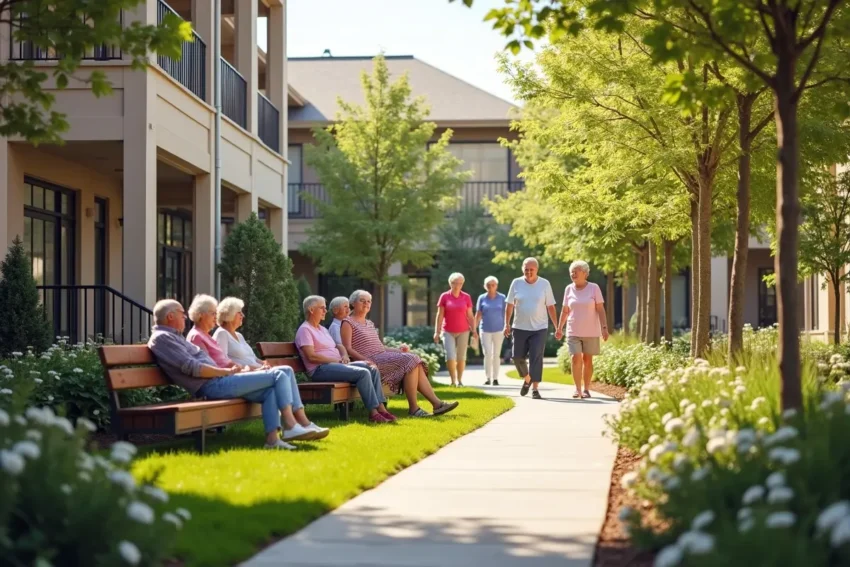
Maintaining social connections is crucial for the well-being and overall health of seniors living in community settings. In recent years, senior living communities have expanded their offerings to include numerous programs that promote connection, engagement, and a higher quality of life. These communities strive to provide enriching opportunities that support both emotional and physical health through a vibrant social environment, making the transition to senior living a positive experience. For those exploring enhanced support, options like dementia care Suffolk County NY offer specialized services within a community setting.
The significance of daily connections for older adults is profound, as social engagement diminishes feelings of isolation and lowers the risks of depression and cognitive decline. Senior living communities foster camaraderie through group activities and shared experiences, enhancing emotional health and happiness.
Technological advancements facilitate interaction, enabling seniors to connect with peers and family, thereby bridging generational gaps. Personalized activity programs cater to individual interests, promoting lifelong learning and a sense of purpose while improving overall well-being. Additionally, diverse wellness initiatives contribute to holistic health, positively impacting seniors’ mood and cognitive function.
Contents
The Importance of Social Engagement
Social isolation presents significant risks to older adults, including the onset of depression, increased stress, and cognitive decline. Senior living communities address these concerns by offering structured environments focused on inclusivity and social interaction. Group activities, social clubs, and scheduled outings allow residents to form new friendships and reinforce existing relationships. These social engagements contribute to a more active lifestyle and support overall health.
Leveraging Technology to Enhance Connections
Technological advancements are transforming the senior living experience. Virtual reality (VR) is emerging as a powerful socialization tool, allowing residents to explore new worlds, revisit familiar places, and participate in shared adventures all from the safety and comfort of their community. Research has shown that VR not only stimulates cognitive function but also helps reduce loneliness. According to the Associated Press, VR use among older adults is leading to stronger real-life connections and a greater sense of belonging.
Besides VR, communities are using video-calling platforms and smart home technology to help residents stay in touch with family and stay engaged in community events. These tools are especially helpful for those with mobility challenges or chronic conditions, ensuring that everyone, regardless of ability, can participate fully.
Personalized Activities for Meaningful Engagement
The move toward personalized programming in senior living settings reflects residents’ diverse preferences and dreams. Rather than a one-size-fits-all calendar, activities are now curated based on individual hobbies and histories. This approach not only nurtures creative and intellectual interests but also empowers seniors to shape their own daily experiences.
Engaging in familiar activities or trying something new together fosters camaraderie and encourages a dynamic, supportive atmosphere. Enhanced personalization has led to greater independence and higher happiness among residents, as highlighted in industry news.
Building Strong Family Connections
Senior living communities support not just the individual but their entire family network. By providing reliable care and a secure setting, these communities allow family members to focus on quality time rather than being overwhelmed by caregiving duties alone. Frequent family events and open visiting policies help residents maintain close bonds, while updates and communication tools keep everyone involved and informed about their loved one’s experiences.
Combating Loneliness Through Community Design
A thoughtfully designed environment is pivotal in reducing loneliness among seniors. Communities are being built and adapted with inviting common areas, landscaped gardens, and communal spaces that encourage interaction. Well-planned social events and interest-based groups provide easy ways for residents to connect and form friendships. Community-driven solutions like these can greatly improve emotional well-being and foster lasting support networks among older adults.
Conclusion
Staying connected is the foundation for a vibrant and fulfilling life in senior living communities. As communities continue to innovate with technology, personalized care, and community-minded design, older adults and their families find new reasons to thrive together. By supporting socialization, engagement, and lifelong connections, today’s senior living options help each resident embrace every stage of life with meaning and joy.