Why Small Masonry Cracks Become Major Home Problems
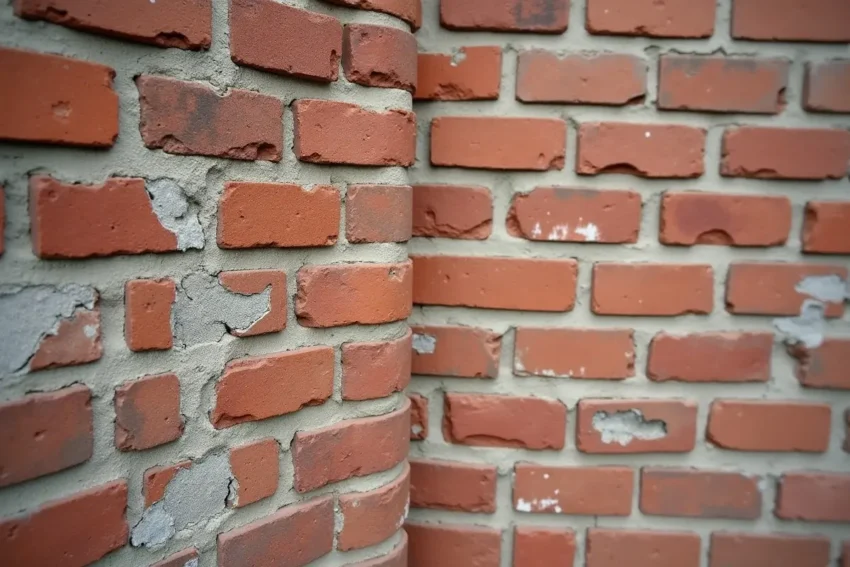
Most homeowners notice the first crack and ignore it. It looks harmless. A thin line in mortar. A faint split in brickwork. Maybe something caused by the weather or the house settling. Because it doesn’t immediately affect daily life, it feels cosmetic rather than structural.
But masonry rarely fails suddenly. It fails gradually. Small cracks are usually the first visible stage of a longer process happening inside the structure. By the time larger damage appears, the problem has already been developing for months or even years.
Understanding why minor cracks escalate helps homeowners act early, when repairs are simple instead of expensive.
Contents
Masonry Is Strong but Not Flexible
Brick and mortar are excellent at handling weight but poor at handling movement. Houses naturally expand and contract due to temperature, moisture, and ground movement. Modern materials like wood framing tolerate this movement well, but masonry responds differently. Instead of bending, it separates.
Hairline cracks often form at stress points such as:
- Chimney corners
- Roofline connections
- Window and door openings
- Mortar joints
At this stage, the structure is still stable, and the crack itself is not yet dangerous. The risk comes from what the crack allows to enter.
Water Is the Real Enemy
Once masonry opens even slightly, water begins to penetrate. Rain does not need large gaps. Moisture can travel through extremely narrow spaces and then spread internally through capillary action.
After entering, water causes three major problems:
Freeze Expansion
In colder weather, trapped water freezes and expands. This pushes bricks apart and widens mortar joints. Each freeze-thaw cycle increases the crack size.
Hidden Interior Rot
Moisture travels behind walls into wood framing and insulation. Homeowners often notice peeling paint or musty smells long before they connect it to exterior brick damage.
Metal Corrosion
Wall ties and metal supports inside masonry begin rusting when exposed to moisture. Rust expands, forcing bricks outward and creating visible bulging.
At this point, the issue is no longer cosmetic. The wall itself is weakening.
Chimneys Are Especially Vulnerable
Chimneys suffer the most from small cracks because they experience harsher conditions than any other part of the house. They are exposed on all sides, absorb heat from inside, and cool rapidly outdoors. This constant temperature shift causes continuous expansion and contraction.
A tiny mortar fracture at the top of a chimney often leads to:
- Loose bricks near the crown
- Water leaking into the attic
- Damaged flue liners
- Interior ceiling stains near fireplaces
Homeowners frequently notice interior water damage long after the exterior crack first appeared. Addressing issues early with professional inspection from experienced chimney repair experts can prevent structural deterioration and costly rebuilding.
Mortar Deteriorates Faster Than Brick
Bricks can last a century; mortar cannot. Mortar is intentionally softer so it absorbs movement and protects surrounding bricks. Over time, the weather erodes it first. When mortar begins breaking down, bricks lose support and shift slightly. That small shift opens wider gaps, which invite more water, accelerating deterioration.
This is why cracks often follow the mortar lines rather than cutting through bricks initially. The system is designed to fail there first, but only if repaired before more serious damage begins.
Why Damage Speeds Up Over Time
Masonry problems grow exponentially rather than gradually. The first year may produce only a faint crack. After water enters, expansion and material weakening accelerate the process dramatically.
What starts as minor repointing can quickly become:
- Brick replacement
- Chimney rebuild sections
- Interior wall repair
- Mold remediation
The cost difference between early repair and late repair can be several times higher because surrounding materials become involved.
Warning Signs Beyond the Crack
Homeowners should look beyond the visible line itself. Masonry issues often reveal themselves indirectly through:
- White powdery residue on brick (efflorescence)
- Leaning chimney appearance
- Damp fireplace smells
- Crumbling mortar falling to the ground
- Interior wall staining near exterior brick
These signs indicate moisture movement inside the structure rather than surface ageing.
Early Attention Prevents Structural Work
The goal of masonry maintenance is not constant repair but timely repair. Addressing small cracks restores the barrier that keeps water out. Once water travels deeper, the repair shifts from sealing to rebuilding.
A minor exterior line is rarely just a surface defect. It is usually the earliest visible stage of internal stress and moisture intrusion.
Homes rarely suffer sudden masonry failure without long warning. The warning simply appears subtle at first. Recognizing the importance of that subtle sign is what prevents a simple fix from becoming a major structural project.
Small cracks do not stay small. They only stay inexpensive when treated early.