Small Fiberglass Pool Ideas on a Budget: How to Find the Right Pool Contractors Near Me
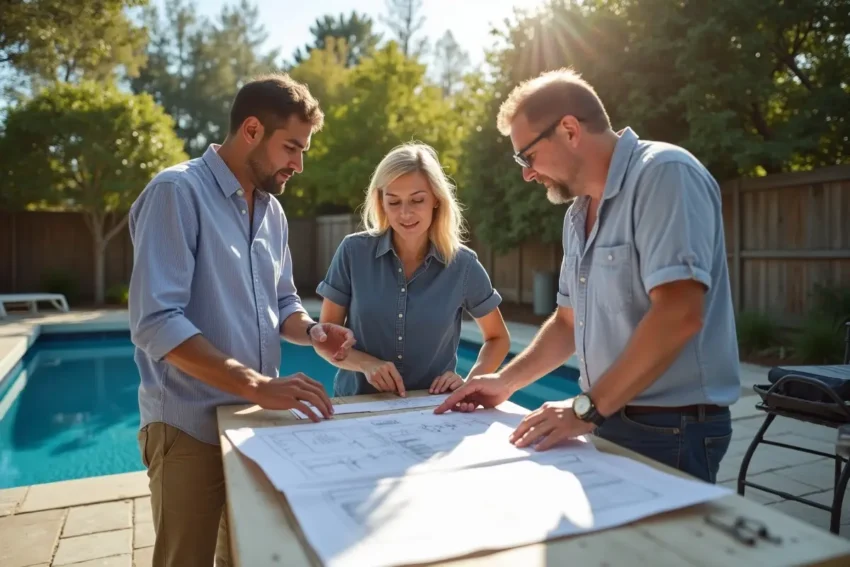
A backyard pool used to feel like something reserved for larger homes and bigger budgets. That’s changed. Small fiberglass pools have become one of the most practical and visually appealing ways for everyday homeowners to create a genuine outdoor retreat without overspending or sacrificing quality. They install faster, require less chemical maintenance than concrete, and hold up remarkably well over time.
The challenge most people face isn’t finding a pool they love. It’s figuring out how to make the whole project work financially while still ending up with something that feels intentional and complete. These eight ideas cover both the design choices and the practical decisions that can keep costs in check from the start.
Contents
- 1 1. Start With the Right Shell Size
- 2 2. Skip the Spa, Add a Tanning Ledge Instead
- 3 3. Choose a Freeform Shape Thoughtfully
- 4 4. Keep the Decking Simple and Expand Later
- 5 5. Use LED Lighting Strategically
- 6 6. Prioritize an Energy-Efficient Pump From the Start
- 7 7. Landscape Around the Pool With Low-Maintenance Plants
- 8 8. Work With a Contractor Who Specializes in Fiberglass
- 9 The Bottom Line
1. Start With the Right Shell Size
When working with a limited budget, pool size is the first and most consequential decision. A smaller fiberglass shell, typically in the 10 by 20 to 12 by 24 foot range, costs significantly less upfront and reduces excavation, backfill, and plumbing expenses as well.
Compact pools are no longer a compromise. Modern molds include built-in bench seating, angled entry steps, and shallow lounging areas that make a small shell feel surprisingly functional. A 12 by 24 foot pool with a tanning ledge at one end and a flat swim area at the other gives a family most of what they’d use in a much larger pool.
For homeowners in Southwest Ohio and surrounding areas, working with experienced pool contractors near me who specialize in fiberglass means getting honest guidance on which shell sizes actually fit both the yard and the budget, without being upsold on square footage that doesn’t add proportional value.
2. Skip the Spa, Add a Tanning Ledge Instead
Built-in attached spas are appealing, but they’re also one of the most significant cost drivers in a pool project. The excavation, additional plumbing, separate heating system, and increased water volume all add up fast.
A tanning ledge, sometimes called a Baja shelf, delivers a similar sense of luxury at a fraction of the cost. It’s a shallow platform, typically 8 to 12 inches deep, where water flows continuously over a flat surface. Adults can recline on a lounger while staying cool. Kids can splash safely in water that barely reaches their knees. Many fiberglass shells come with tanning ledges molded directly into the design, so there’s no added custom work required.
3. Choose a Freeform Shape Thoughtfully
Rectangular pools look clean and photograph well, but freeform designs often fit smaller yards more efficiently. An organic, curved shell can wrap around existing landscaping, hug a corner of a yard, or leave more usable patio space along the sides than a strict rectangle would.
The key is choosing a shape that was designed with smaller footprints in mind rather than simply a scaled-down version of a large model. Quality fiberglass manufacturers now offer freeform shells specifically proportioned for compact spaces, and the results often look more custom than they cost.
4. Keep the Decking Simple and Expand Later
One of the biggest budget mistakes homeowners make is trying to complete the entire outdoor space in one phase. A large stamped concrete patio, extensive hardscaping, retaining walls, and built-in planters are all beautiful additions, but none of them have to happen before the first swim.
Starting with a modest concrete or paver apron around the pool perimeter does the job. It’s safe, functional, and looks clean. The rest of the outdoor living space can be built out in phases over the following year or two as the budget allows. Fiberglass pools integrate easily with later additions, so there’s no structural reason to do everything at once.
5. Use LED Lighting Strategically
Underwater LED pool lights used to be considered a luxury upgrade. At this point, they’re close to standard on most fiberglass installations and the cost difference between one well-placed light and a full array is meaningful.
A single color-changing LED fixture installed at the shallow end of the pool creates significant visual impact after dark without requiring multiple fixtures. Paired with a few simple landscape lights along a nearby fence or garden bed, the effect feels finished without a large investment. Reputable pool contractors near me will often include basic LED lighting in a standard installation package, so it’s worth asking what’s already included before budgeting for add-ons separately.
6. Prioritize an Energy-Efficient Pump From the Start
Variable-speed pumps cost more upfront than single-speed models, and many homeowners on a tight budget opt for the cheaper option to reduce the initial project total. Over five years, that decision frequently costs more than the money saved.
A quality variable-speed pump can reduce energy consumption by 50 to 70 percent compared to a standard pump. For a pool that runs nine months of the year, that difference adds up to several hundred dollars annually. Treating the pump as a long-term investment rather than a line item to cut keeps operating costs manageable for the life of the pool.
The same logic applies to the pool’s filtration and sanitation system. A basic salt chlorine generator adds modest cost at installation but substantially reduces ongoing chemical expenses, which for a fiberglass pool already runs lower than concrete due to the non-porous gelcoat surface.
7. Landscape Around the Pool With Low-Maintenance Plants
The landscaping around a pool does more for the overall aesthetic than almost anything else, and it doesn’t require a large budget. The key is choosing plants that look intentional without demanding constant upkeep. A few budget-friendly principles worth following:
- Use ornamental grasses along fence lines or property edges for natural screening and movement
- Plant native perennials that return each year without replanting costs
- Add a few large container plants near the patio for a finished look that can be moved or swapped seasonally
- Use dark mulch in garden beds adjacent to the pool area; it photographs well and suppresses weeds at the same time
- Avoid plants that drop excessive debris into the water, which increases cleaning time and can stress pool filtration
Simple, well-placed greenery transforms a basic pool installation into something that looks considered and personal. It costs far less than hardscaping and delivers results faster.
8. Work With a Contractor Who Specializes in Fiberglass
This last point matters more than many homeowners realize. The contractor managing a pool installation determines the quality of site preparation, the accuracy of excavation, the integrity of the plumbing connections, and how smoothly the project gets through local permitting requirements.
Fiberglass pool installation is a specific skill set. Not every general pool contractor has the experience or equipment to handle fiberglass shells correctly. Improper backfill materials, poor leveling, or rushed plumbing connections can create problems that surface years after the project ends, often in ways not covered by manufacturer warranties.
Searching for pool contractors near me is a reasonable starting point, but the follow-up step matters. Looking specifically for contractors with a documented track record in fiberglass, who understand local soil conditions and can pull permits efficiently, is what separates a smooth project from a stressful one.
In the Dayton and Southwest Ohio region, homeowners benefit from working with specialists who have installed enough fiberglass pools in the area to understand what the ground does seasonally, how Ohio winters affect the installation process, and how to build something that holds up for 30 to 40 years without unexpected maintenance costs.
The Bottom Line
A small fiberglass pool done well is one of the most enduring home improvements a property can have. The material itself is forgiving, the maintenance is manageable, and the long-term cost of ownership is lower than most alternatives. Getting there on a budget is entirely realistic, but it requires making smart choices early, on shell size, decking scope, equipment, and most importantly, who builds it. Homeowners who approach the project with patience and clear priorities tend to end up with exactly what they wanted, often for less than they assumed.