Should a 20 Year Old Roof Be Replaced?
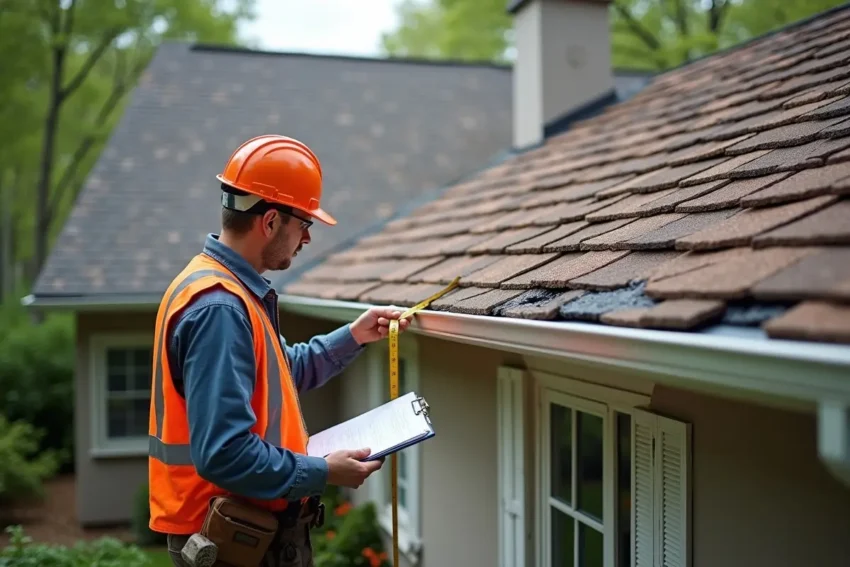
Most homeowners don’t think about their roof until something goes wrong. A stain appears on the ceiling, shingles show up in the yard, or a heavy storm suddenly raises uncomfortable questions. Hitting the 20-year mark doesn’t automatically mean failure, but it does mean your roof has reached a critical decision point. At this age, small issues stop being cosmetic and start becoming structural risks.
We’ve seen roofs that look fine from the street and still fail during the next freeze-thaw cycle or wind event. The goal isn’t to panic or replace prematurely. It’s to understand what a 20-year-old roof is telling you and decide whether repairs still make sense—or if replacement is the smarter long-term move.
Contents
- 1 What a 20-Year-Old Roof Really Represents
- 2 Should a 20 year old roof replace? Start With Condition, Not Age
- 3 Should a 20 year old roof replace? Repair vs. Replacement Logic
- 4 Planning the Timing Instead of Reacting to Damage
- 5 If You’re Selling or Refinancing
- 6 Extending the Life If Replacement Isn’t Immediate
- 7 Final Takeaway
What a 20-Year-Old Roof Really Represents
A roof’s age matters, but not in isolation. Most asphalt shingle systems are designed with a service life that averages around 20 to 25 years under normal conditions. Installation quality, ventilation, sun exposure, storm history, and maintenance all affect where your roof lands in that range. Some make it longer. Many don’t.
At 20 years old, the materials are no longer “new enough” to forgive mistakes. Sealants dry out. Shingles lose flexibility. Fasteners loosen. That doesn’t mean immediate failure, but it does mean the margin for error has narrowed significantly. This is when proactive decisions save the most money.
Should a 20 year old roof replace? Start With Condition, Not Age
When people ask us, “Should a 20 year old roof replace?”, we always start with condition. Age tells you where to look, not what to do. Two roofs can be the same age and require completely different decisions. One may need a targeted repair. The other may be past the point where repairs are effective.
A basic visual check from the ground can reveal a lot. Missing shingles, curling edges, uneven roof lines, dark streaking, or visible granule loss all suggest material breakdown. Inside the home, water stains, attic moisture, or musty smells are not minor issues. They are early indicators of water intrusion.
Exterior Warning Signs You Shouldn’t Ignore
Shingles that are curling, cracking, or becoming brittle are losing their protective ability. Granules collecting in gutters or downspouts mean the top protective layer is wearing away. Flashing failures around chimneys, vents, and roof-to-wall transitions are especially common at this age and often lead to slow, hidden leaks.
If the roofline appears wavy or sagging, that’s more serious. That can indicate decking deterioration from long-term moisture exposure. At that point, replacement usually becomes the safer option—not just to fix the roof, but to protect the structure underneath it.
What a Proper Roof Inspection Should Include
A real inspection goes beyond shingles. Ventilation must be evaluated because trapped heat and moisture dramatically shorten roof life. Flashing details, fastener integrity, decking condition, and attic airflow all matter. Nail pops, soft spots, and repeated patchwork repairs often point to a roof that is nearing the end of its serviceable life.
This is where working with an experienced Roofing Company Columbus Ohio homeowners trust later becomes important—but the inspection itself should always come first, without assumptions.
Should a 20 year old roof replace? Repair vs. Replacement Logic
Here’s where the decision becomes practical. Should a 20 year old roof replace? The answer depends on how widespread the issues are and how often problems are repeating. Repairs make sense when damage is isolated and materials still have flexibility and strength. Replacement makes sense when deterioration is systemic.
If repairs feel like a cycle—fixing one area only to find another issue months later—that’s usually a signal. At some point, repairs stop being cost-effective and start acting as short-term delays.
Replacement is typically the better choice when:
- Leaks are appearing in multiple areas
- Shingles are brittle, cracked, or severely worn
- Flashing issues are widespread
- The roof has been patched repeatedly over time
- Decking shows signs of moisture damage
A roof should reduce risk, not create ongoing uncertainty.
Planning the Timing Instead of Reacting to Damage
One of the biggest advantages of addressing a 20-year-old roof early is control. Emergency replacements cost more, create stress, and limit your options. Planned replacements allow for better material selection, scheduling flexibility, and proper ventilation upgrades. That planning often extends the life of the next roof significantly.
Budgeting ahead also gives you leverage. You’re choosing the timing, not the weather. That alone can make the project smoother and more affordable.
If You’re Selling or Refinancing
A roof near or past 20 years old can become a negotiation obstacle. Even if it isn’t actively leaking, buyers and lenders view age as risk. A roof replacement before listing can eliminate inspection objections and strengthen your position. In other cases, documentation from a professional inspection can support a repair-based approach.
The key is clarity. Unknowns hurt deals. Clear evaluations help protect value.
Extending the Life If Replacement Isn’t Immediate
If replacement isn’t the right move yet, maintenance matters more than ever. Keep gutters clear to prevent water backup. Trim branches to reduce debris damage. Ensure bathroom fans vent outside, not into attic space. Monitor attic humidity and insulation condition.
Final Takeaway
A 20-year-old roof is not a deadline, but it is a decision point. If the roof shows widespread aging, recurring leaks, or structural warning signs, replacement is often the smarter long-term investment. If the roof is stable and issues are isolated, repairs may still make sense—with a clear plan and close monitoring.
For homeowners ready to make an informed decision, working with a trusted Roofing Company Columbus, Ohio homeowners rely on can make all the difference at the right time.