7 Safety Mistakes That Can Shut Down a Construction Site Overnight
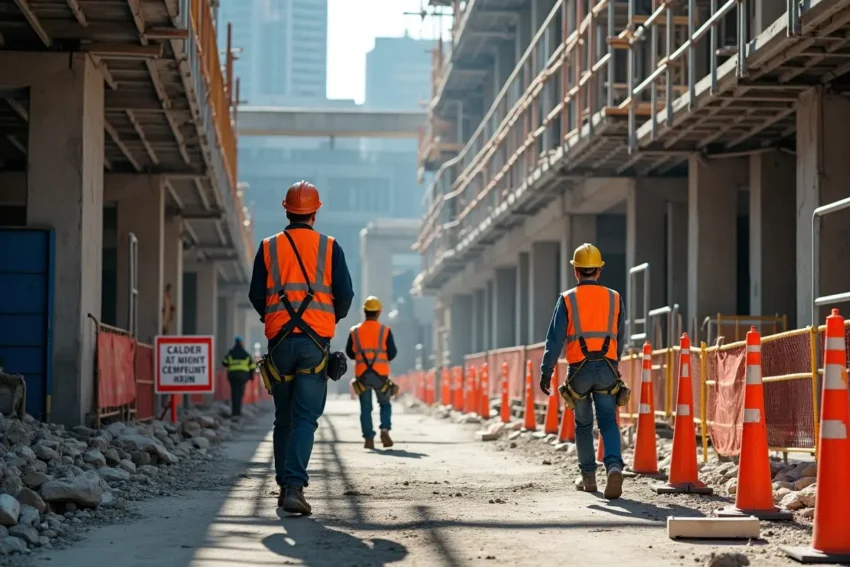
A Prohibition Notice doesn’t arrive with warning. An inspector walks the site, spots a single serious breach, and work stops, sometimes for days, sometimes weeks. The cost isn’t just the fine. It’s the cascading delays, the subcontractor penalties, the client calls. Most site managers know safety matters. The ones who avoid shutdowns understand _which_ specific failures trigger them.
Here are seven mistakes that can freeze a construction site overnight.
Contents
Using Unlicensed Workers for Scaffold Assembly
This one tops the list because inspectors look for it first. Erecting or dismantling scaffolding above four meters requires a High Risk Work License. No exceptions. If your scaffold crew can’t produce valid HRWLs on the spot, that’s an immediate red flag, and frequently an immediate Prohibition Notice.
The mistake isn’t always deliberate. Sometimes a licensed scaffolder calls in sick and a supervisor fills the gap with whoever’s available. That decision can shut the entire site down, not just the scaffolding work.
Tradespeople often remove ties and braces. Two minutes’ work to get better access to a section of wall or to run a pipe through a frame. No big deal. No harm. But what they’ve done is altered an engineered structure that was signed off in a certain configuration.
Scaffold modifications without written approval from a competent person violate WHS protocols directly. Inspectors are trained to spot missing braces and altered configurations. When they do, the scaffold is condemned on the spot.
If a scaffold hasn’t had an inspection, in reality, it might as well not have one. However, having Scafftags or equivalent daily inspection records proving a competent person has already assessed the integrity of the structure before you start project works indicate that inspections have taken place.
An auditor doesn’t have to identify an actual deficiency with the scaffold, if they don’t find a Scafftag and upon closer inspection, see the previous tag is a few weeks old, that makes for good evidence the proper inspection process isn’t functioning. That’s a compliance breach, and you can expect to receive a notice.
Build the pre-start inspection into the morning routine, not as a box-ticking exercise but as a genuine check. Document it every time.
Poor Ground Preparation
The stability of scaffolding depends on the ground it is erected on. If heavy frames are placed on soft fill, undisturbed clay, or unreinforced concrete without the appropriate soleboards, there is a risk of settlement that increases as the load increases during work.
The workers, tools, and materials represent live loads that, together with the dead load of the structure, can lead to a partial or even a complete collapse if the base shifts due to inadequate preparation. This is not an issue related to civil works, it is the responsibility of scaffolding works from the first day.
Mixing Components From Different Manufacturers
This one gets overlooked because the components often _look_ compatible. The diameter of a tube seems right. The coupler fits well enough. But locking tolerances and load ratings aren’t standardized across brands, and components that appear interchangeable frequently aren’t.
Mixing manufacturer systems creates structures that haven’t been tested as assembled. No engineer has signed off on that configuration. The scaffold may meet AS/NZS 1576 requirements for each individual component while failing as a combined system. That’s a structural risk and a compliance gap at the same time.
When you’re sourcing equipment, stick to verified, consistent supply. For projects in Western Australia, using a dedicated scaffold hire perth provider that supplies matched aluminum systems removes this risk entirely, particularly for mobile tower applications where component consistency is critical.
Inadequate Edge Protection
Approximately 11% to 13% of all worker fatalities annually are due to falls from height (Safe Work Australia). Guardrails and toe boards are not nice-to-have optional extras. They are prescribed requirements, and their absence, or their removal for convenience, constitutes one of the most-cited compliance failures on site.
The typical failure is not that edge protection was never in place, it’s that it was taken away partway through a job and not put back. A worker leans over an edge of the platform to reach something, takes out a mid-rail to get the tools through, and forgets to put it back. An inspector turns up an hour later.
No Safe Work Method Statement for High-Risk Work
Scaffolding assembly is a high-risk construction activity. A Safe Work Method Statement isn’t optional, it’s a legal requirement under WHS legislation. The SWMS has to identify the hazards, describe the controls, and be site-specific. A generic document from another project doesn’t satisfy the requirement.
SWMS documentation also needs to be on site and accessible. Stored in an office three suburbs away doesn’t count.
The pressure to stay on schedule is real. But a single Prohibition Notice resets that schedule in ways no amount of time-saving shortcuts can compensate for. Licensed workers, proper documentation, matched equipment, prepared ground, these aren’t bureaucratic formalities. They’re the fastest route through a project without a regulator on your doorstep.