Safe and Sustainable Tree Trimming Practices
Proper care for the trees in our communities is a responsibility that encompasses much more than just aesthetics—it balances environmental needs with the safety of residents, infrastructure, and property. As urban populations grow and climate considerations become increasingly pressing, the practice of tree care and maintenance assumes renewed significance.
Whether you’re a homeowner maintaining your front yard, a property manager overseeing commercial spaces, or a public official planning community green spaces, understanding the principles behind safe and sustainable tree management is the crucial first step toward vibrant, long-lived landscapes.
For those seeking professional assistance, tree trimming services offer customized solutions designed to serve both residential and commercial environments. Through the adoption of modern, eco-friendly techniques and the consideration of each tree’s unique ecological role, we can ensure that our urban forests remain healthy and accessible for generations to come.
Safe and systematic tree trimming is essential for preventing hazards associated with overgrown or dead limbs, which can fall during storms and endanger lives, properties, and infrastructure. It enhances visibility at intersections and pathways, promotes the health of urban tree populations by reducing diseases and pests, and supports biodiversity. As urbanization and climate change rise, communities and professionals must prioritize safety and sustainability in tree care to preserve ecosystems.
Contents
Importance of Tree Trimming
Tree trimming is not just an aesthetic endeavor—it is a vital maintenance activity that ensures the ongoing health of trees and the safety of people nearby. Over time, unmanaged branches can overextend and present real dangers, particularly during strong winds or heavy storms, causing costly damage to properties, vehicles, and even utility infrastructure.
Branches growing into power lines, for example, are a common cause of neighborhood outages and can spark dangerous fires. Regular pruning not only encourages trees to produce healthy new growth but also enhances their shape and structure, thereby increasing their ability to withstand environmental stressors. Sound trimming methods can reduce crowded canopies, allowing sunlight and air to reach inner branches and minimizing fungal diseases that thrive in damp, shaded spaces.
Additionally, by clearing branches from sidewalks and roads, trimming keeps shared areas safe and accessible and creates line-of-sight visibility around intersections. When performed systematically, these maintenance activities have a ripple effect, protecting both tree vitality and public safety throughout the community.
Eco-Friendly Pruning Techniques
With a growing commitment to sustainability, using eco-friendly pruning techniques is crucial to protect local wildlife, minimize waste, and ensure trees remain healthy and flourishing in the long term. Selective pruning—meaning removing specific branches for health reasons rather than aggressively thinning a tree—preserves the tree’s natural form and reduces unnecessary stress.
By focusing on strategic cuts, arborists limit openings where pests and diseases might enter and maintain habitat for birds, insects, and other beneficial organisms that rely on tree canopies. It’s equally essential to use sanitized tools to prevent the introduction of pathogens.
After each cut, using organic wound dressings and proper cleaning prevents disease transmission and protects not only the tree in question but also neighboring plants. Eco-friendly efforts also include recycling or composting removed branches and leaves, thereby keeping green waste out of landfills. Over time, these small but consistent actions play a vital role in mitigating urban heat islands, improving air quality, and safeguarding dwindling wildlife habitat within city ecosystems.
Integrating Technology in Tree Care
Technological advances have revolutionized the way trees are managed and cared for, moving beyond traditional visual inspection and manual labor to embrace science and digital innovation. Machine learning and computer vision can be harnessed to automate limb identification, assess the structural integrity of trees, and remotely monitor their health over time.
One example is the combination of YOLO (You Only Look Once) object detection with stereo vision systems, such as SGBM (Semi-Global Block Matching), which can accurately detect branches in real-time and estimate their distances—dramatically improving both the safety and efficiency of trimming operations.
These tools empower professionals to identify problems early and minimize unnecessary intervention, reducing both costs and ecological impacts. They also enable safer operations, especially in hard-to-reach or hazardous areas, by reducing the need for extended climbs or extensive machinery.
Safety Standards and Training
Tree care professionals and volunteers alike must recognize that arboriculture carries risks, making strict adherence to safety standards essential. The American National Standards Institute (ANSI) provides guidelines that cover safe pruning practices, recommended equipment, and the training required to operate tools such as chainsaws, lifts, and climbing harnesses.
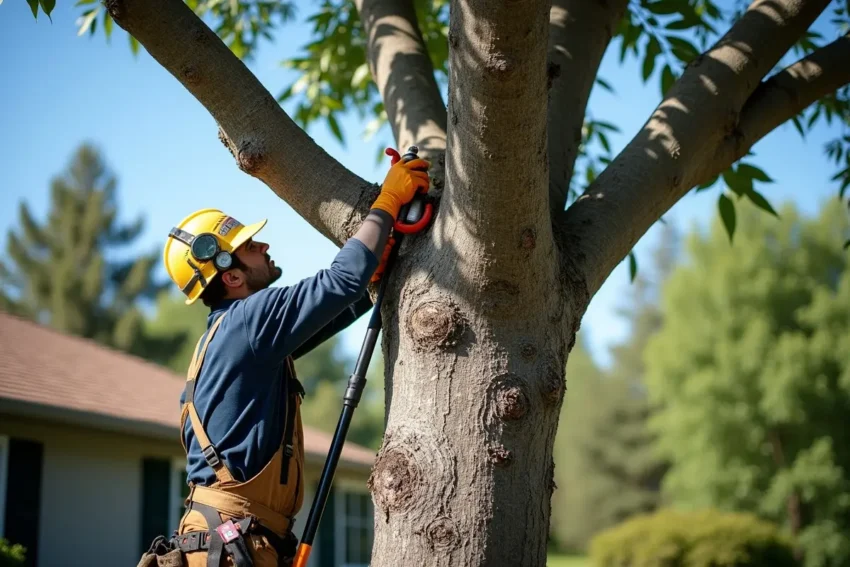
Following these standards ensures uniformity within the industry and reduces the likelihood of accidents by outlining systematic approaches to assessing hazards and managing risks. Workers benefit from regular safety training, which builds preparedness for both routine tasks and emergencies. They learn how to identify unstable branches, determine when a tree is safe to climb, and use protective equipment such as helmets, gloves, and high-visibility clothing.
The incorporation of up-to-date manuals, scenario drills, and first aid training further minimizes the risk of harm. For comprehensive resources and continuing education, the Occupational Safety and Health Administration (OSHA) maintains extensive guidelines for tree care safety, helping employers and employees alike to maintain a culture of safety and professionalism.
Community Involvement and Education
Urban forestry thrives when the local community is informed and actively involved in the stewardship of public green spaces. Community participation not only spreads awareness of the benefits of proper tree care but also cultivates a broader sense of environmental responsibility.
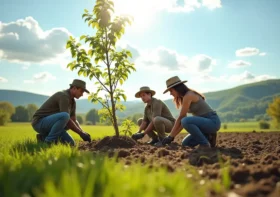
Local governments, nonprofits, and gardening organizations often host workshops and tree-planting events, creating opportunities for hands-on training in safe trimming, mulching, and water management. Schools and youth groups can also be involved through educational campaigns and volunteer planting days, fostering a love for trees and nature in the next generation.
These programs help demystify sustainable pruning techniques and teach residents the importance of biodiversity, stormwater management, and habitat protection. Neighborhood engagement often translates into better-maintained tree populations, higher property values, and improved quality of life. The ripple effect is a community that not only cares for its trees but also values green spaces as vital elements of health, recreation, and climate resilience.
Conclusion
By embracing safe and sustainable tree trimming practices, communities and landowners can ensure the long-term health of both people and their surrounding environments. The integration of advanced technology, growing environmental awareness, strict adherence to industry safety guidelines, and an emphasis on ongoing community education all create a holistic approach to tree care.
Trees are vital resources that define neighborhoods, filter the air, provide shade, and support an untold number of plant and animal species. Maintaining them wisely and with intention means these benefits—including urban cooling, wildlife habitat, and year-round beauty—can be sustained well into the future. Through thoughtful planning and action, we can guarantee that the value and health of our urban forests endure for many years to come.