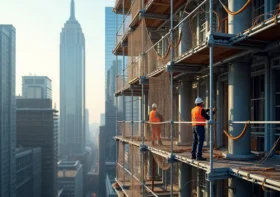
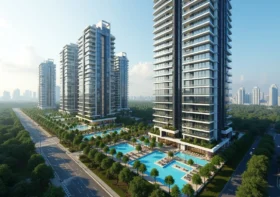
Should You Renovate or Reimagine Your Property?
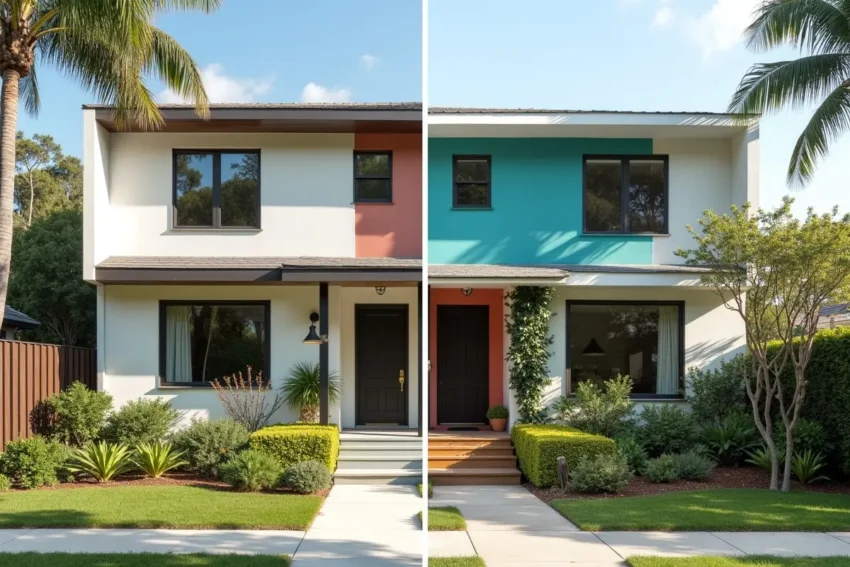
Deciding whether to renovate, redesign, or reposition a property is a major strategic choice for developers and property owners alike. In growing markets, thoughtful design can significantly influence long-term value, along with tenant appeal and community impact.
For development companies focused on multi-family housing, unlike commercial projects, design isn’t simply about aesthetics. It’s all about functionality and sustainability, as well as creating spaces that reflect modern architecture. If you’re evaluating whether to invest in a redesign or a redevelopment project, here are a few key factors to consider.
Contents
Assess the property’s design potential.
Before you make any major decisions, evaluate the existing structure. Does the layout support modern living or working patterns? Are natural light flow and shared spaces optimised? In multifamily developments especially, efficient unit layouts and thoughtfully designed communal areas can dramatically improve tenant satisfaction. If a building structure has strong foundations for outdated interiors, a strategic interior redesign may unlock significant value without requiring full redevelopment.
Align with market expectations.
Design trends evolve, particularly where buyers and renters expect clean lines and natural materials, energy efficiency, and seamless indoor outdoor integration. Modern architecture and sustainable finishes are no longer niche preferences, but they are market expectations now. Understanding what today’s tenants and commercial occupants value, from flexible floor plans to eco-conscious materials, ensures that your investment aligns with demand rather than falling behind it.
Prioritize sustainable design.
Sustainability is central to forward thinking development but it should be embedded in the design journey rather than just added as an afterthought. Early decisions around orientation, glazing, envelope performance and energy efficient systems selection directly influence operational use. High performing buildings don’t just rely on low impact materials – they balance everything to improve and preserve asset value. For multifamily and light commercial developments, sustainable design is a matter of strategy in the development planning stages. Incorporating sustainable interior solutions like low-impact materials and efficient lighting supports both environmental goals and long-term asset performance. Sustainability should be a performance and profitability driver not a checkbox.
Consider long term value.
A well executed interior design strategy contributes to more than a media visual appeal. It supports higher occupancy rates, stronger tenant retention and long term property appreciation. Thoughtful design choices can help to ensure a property remains relevant for years to come. When architecture and interiors work cohesively, the result is a development that feels intentional and enduring.
Calculate the investment.
Renovation and redesign come with upfront costs, from material upgrades to professional design and construction services. However, these investments often translate into increased rental rates, stronger demand, and reduced vacancy periods. Evaluating the return on investment should include both tangible financial outcomes and intangible benefits such as brand reputation and community impact.
Reflect on community and lifestyle impact.
Developments are not isolated structures, they are part of a broader community fabric. Interior design influences how residents live, interact, and experience their environment. Spaces that prioritize comfort, natural light, shared amenities, and modern functionality contribute to a higher quality of living. For commercial projects, thoughtful interiors enhance productivity and brand perception.
Investing in renovation or interior design is both financial and design driven as a decision. Having clear goals in place can create space that doesn’t just meet market demands but elevates the communities being served. For a company dedicated to design excellence and responsible building practices, the right interior strategy transforms something into a long-term asset defined by performance and beauty.